
David Hockney at Serpentine Gallery London 2026 A Study of Time and Perception
The latest David Hockney exhibition at the Serpentine Gallery in London offers a compelling new lens through which to experience one of Britain’s most celebrated living artists. Rather than revisiting familiar narratives around his Californian pools or Yorkshire landscapes, this exhibition places emphasis on Hockney’s enduring fascination with time, perception and the evolving act of looking.
For visitors interested in David Hockney’s works, this show stands out as a vital moment in the artist’s late career, one that bridges traditional painting with digital innovation in a way that feels both deeply personal and strikingly contemporary.
A Different Angle: Time as a Living Medium
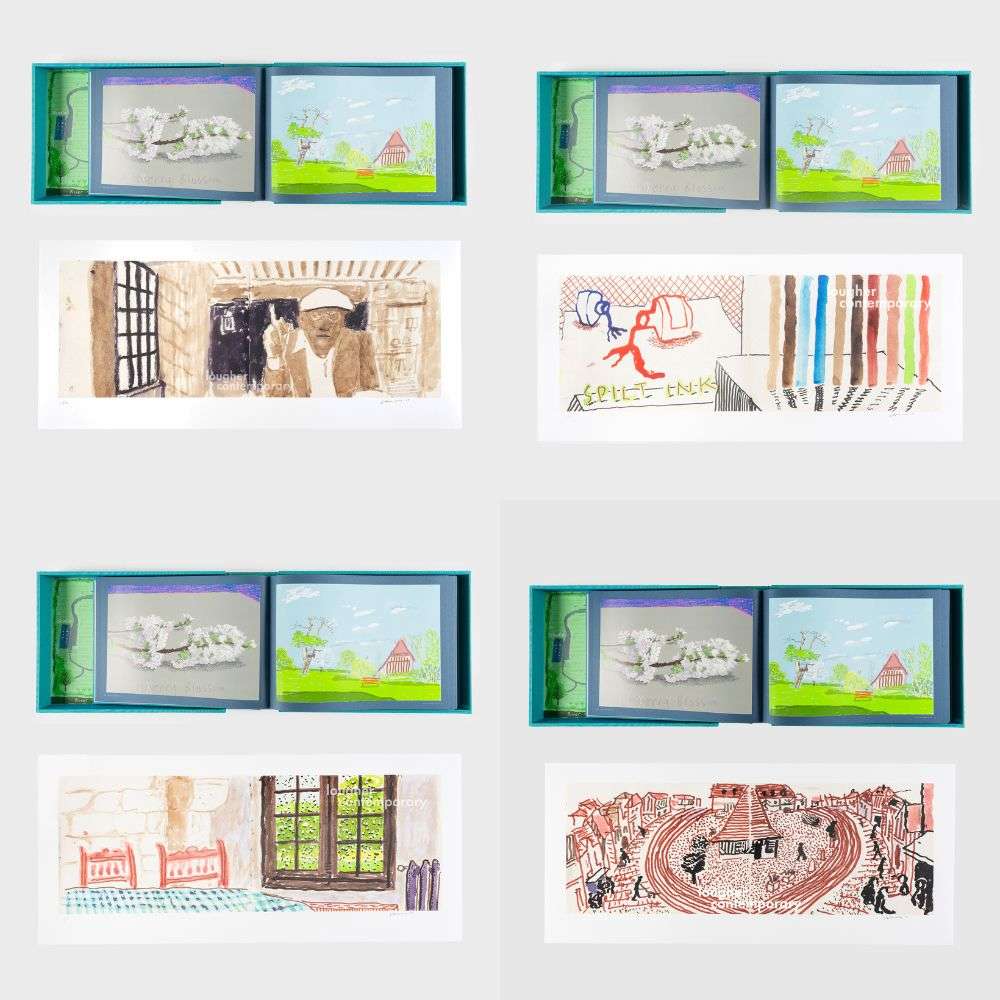
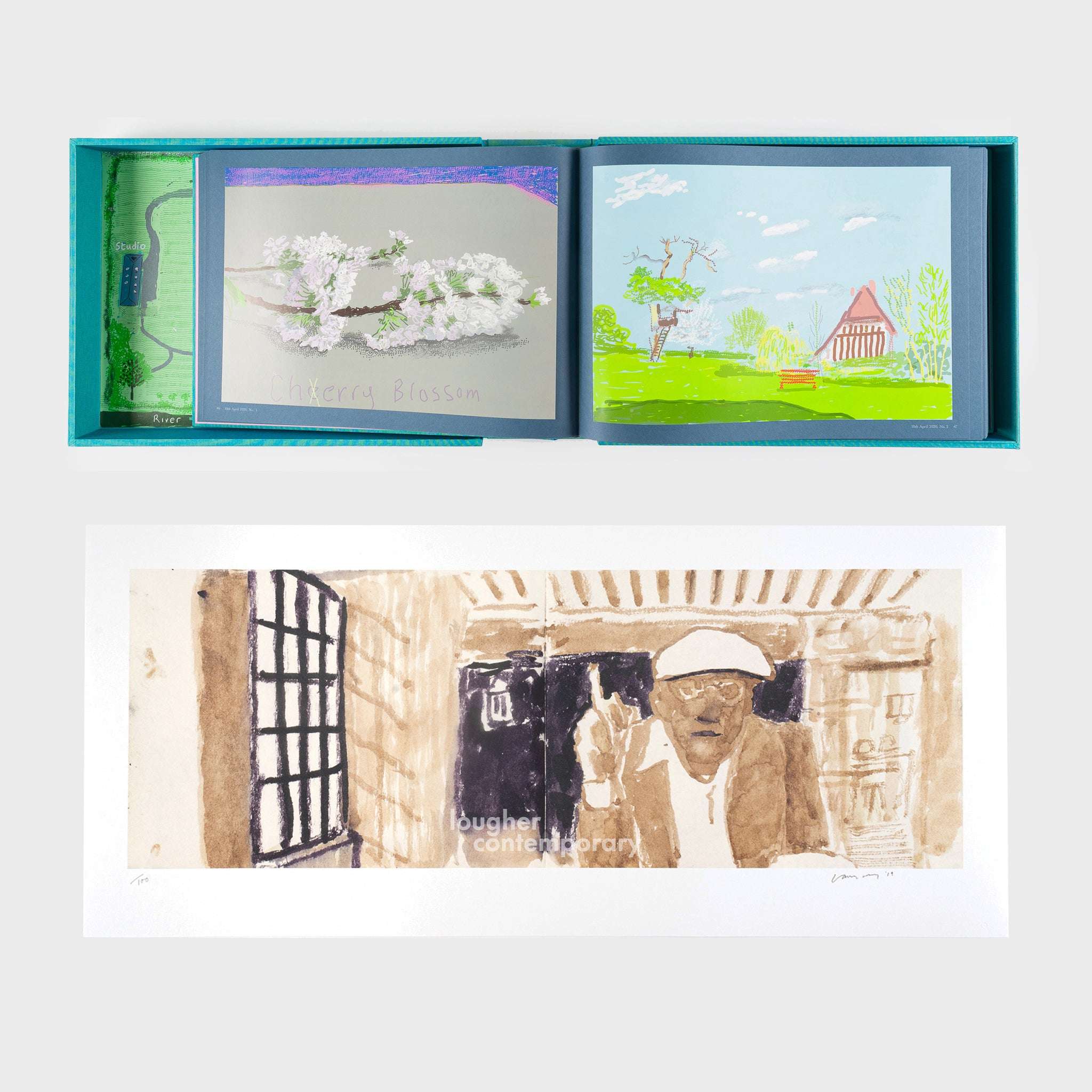
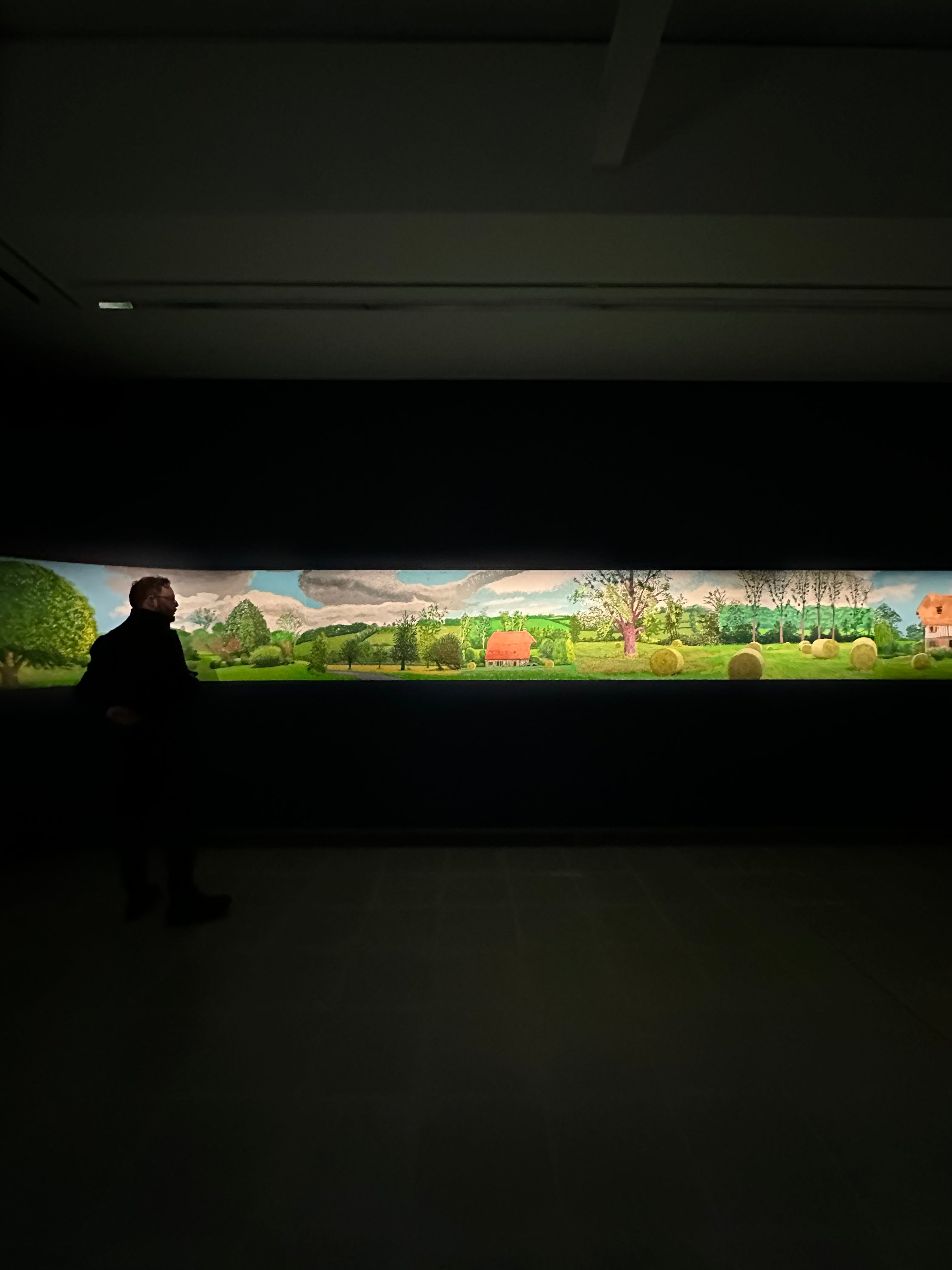
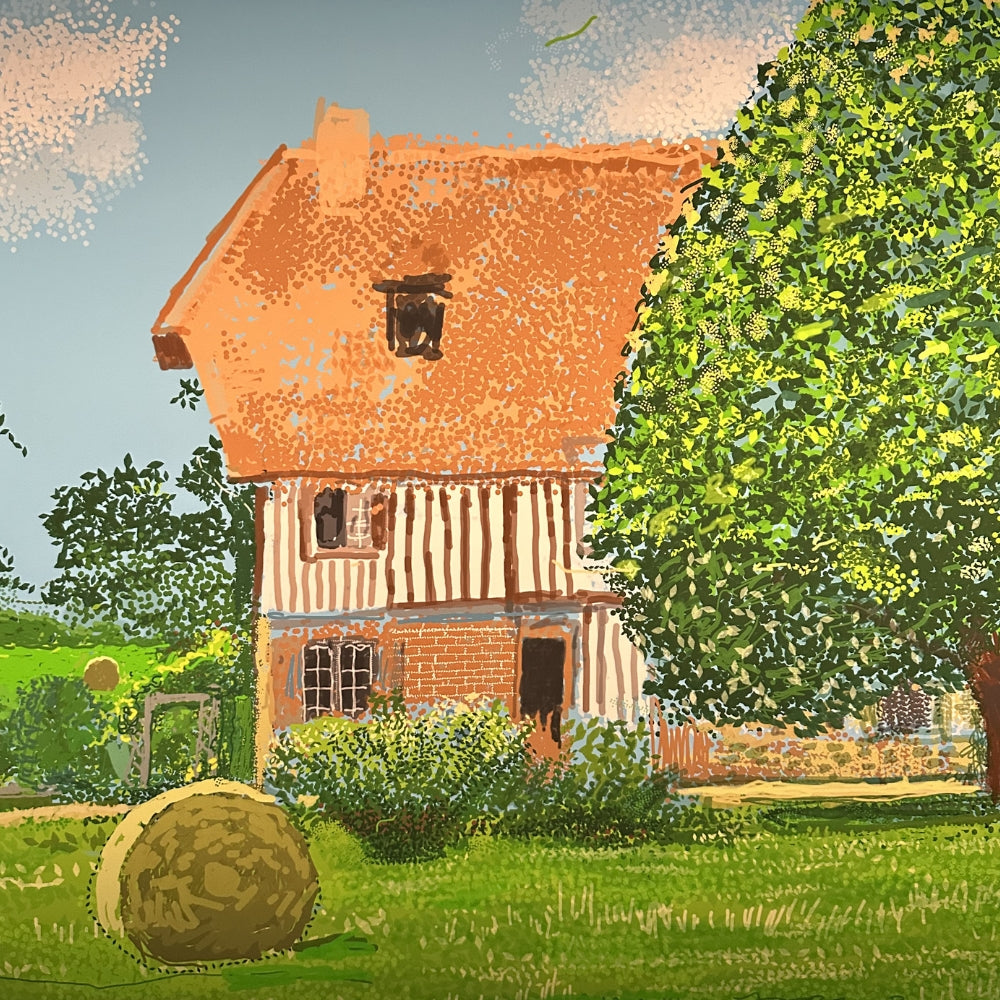
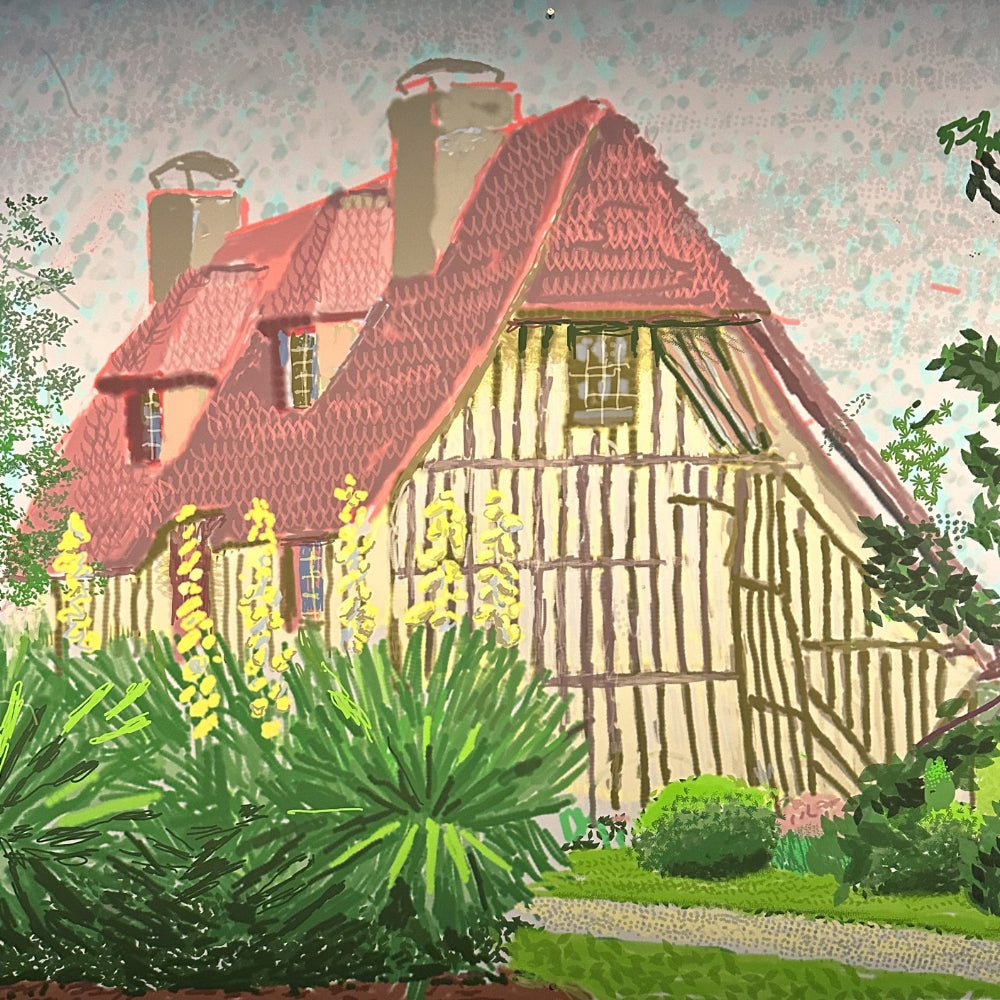
At the core of this exhibition is Hockney’s exploration of time,not as a fixed sequence, but as something fluid, layered and constantly unfolding. The centrepiece work, A Year in Normandie, stretches across the gallery space in a panoramic frieze, capturing seasonal shifts in a rural French landscape.
Unlike conventional landscape painting, this work resists the idea of a single viewpoint. Instead, it invites viewers to move alongside it, mirroring the passage of time itself. This physical engagement transforms the act of viewing into something immersive, aligning with Hockney’s long-standing interest in how we actually see the world, rather than how art history has taught us to depict it.
Painting Meets Digital Practice
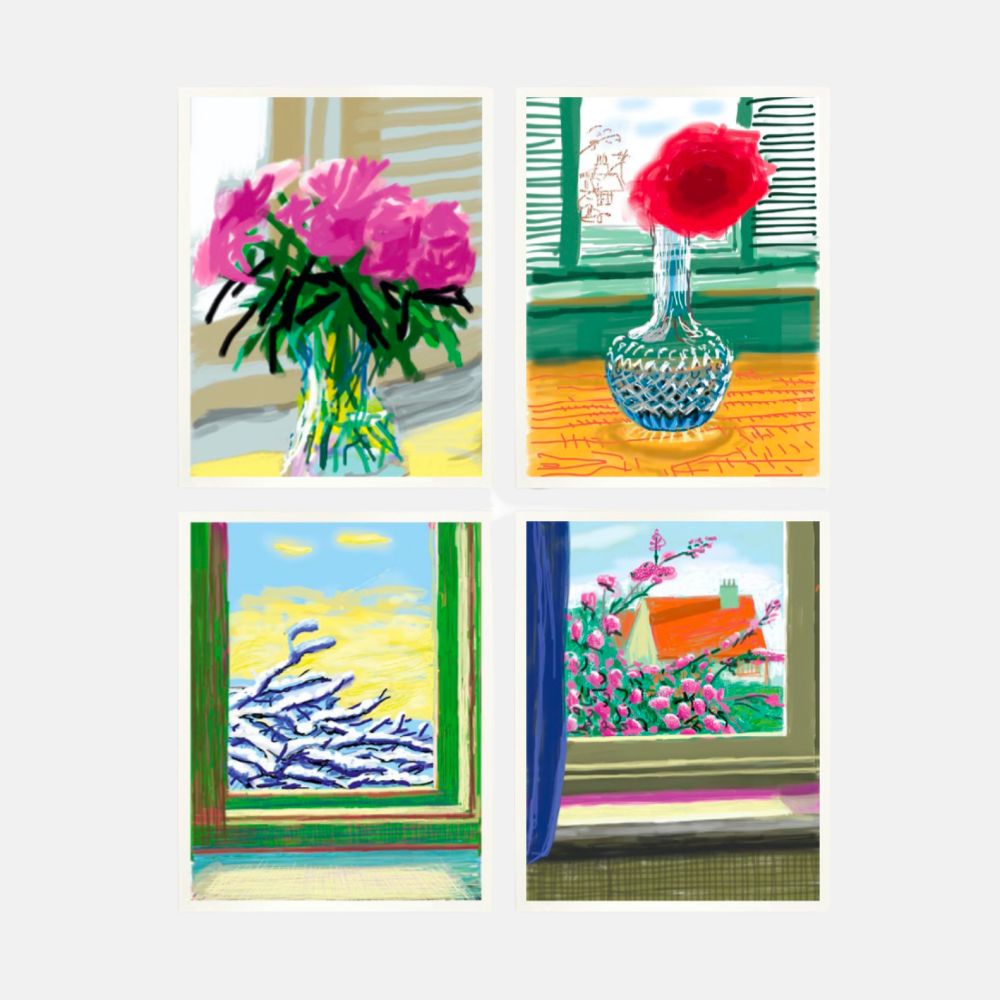
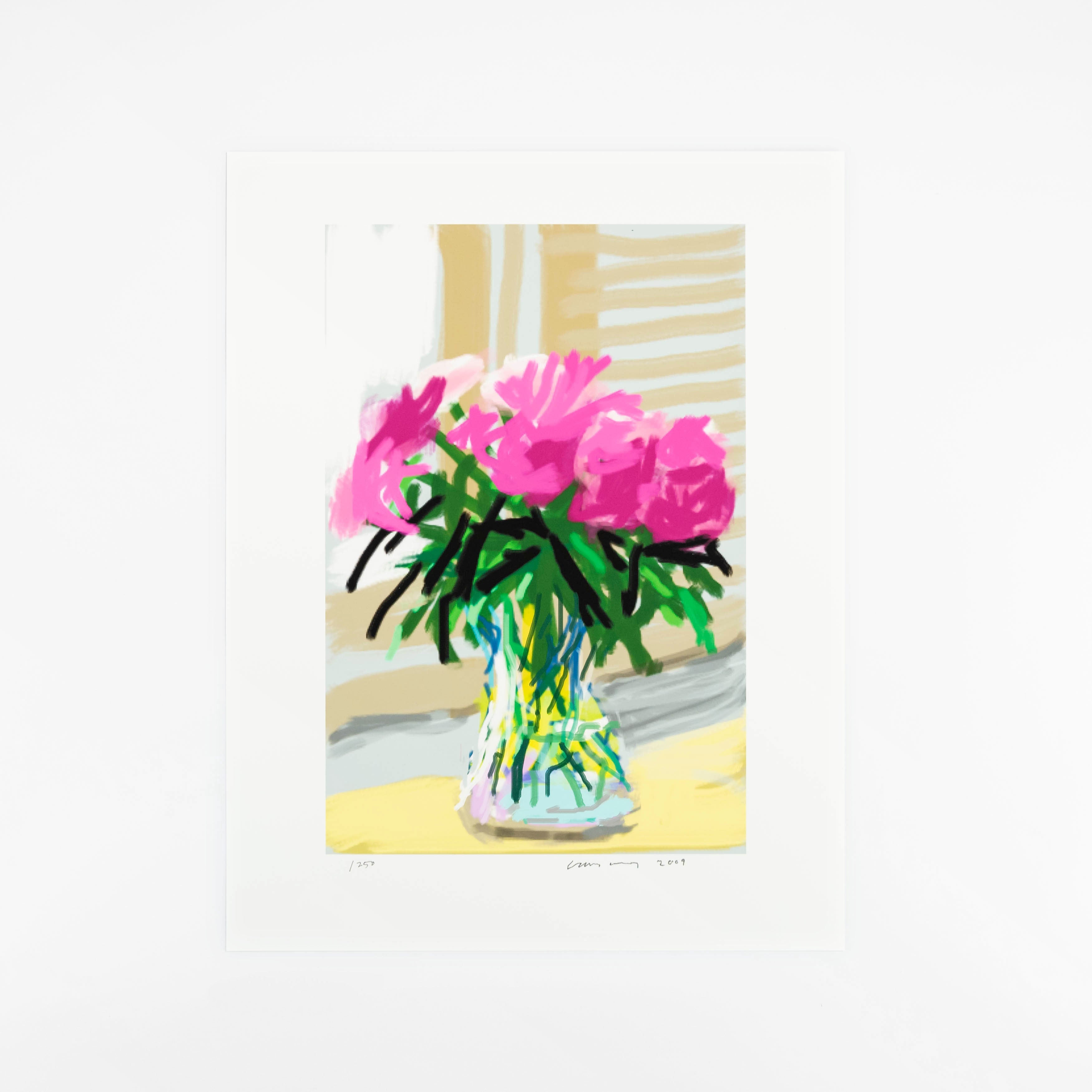
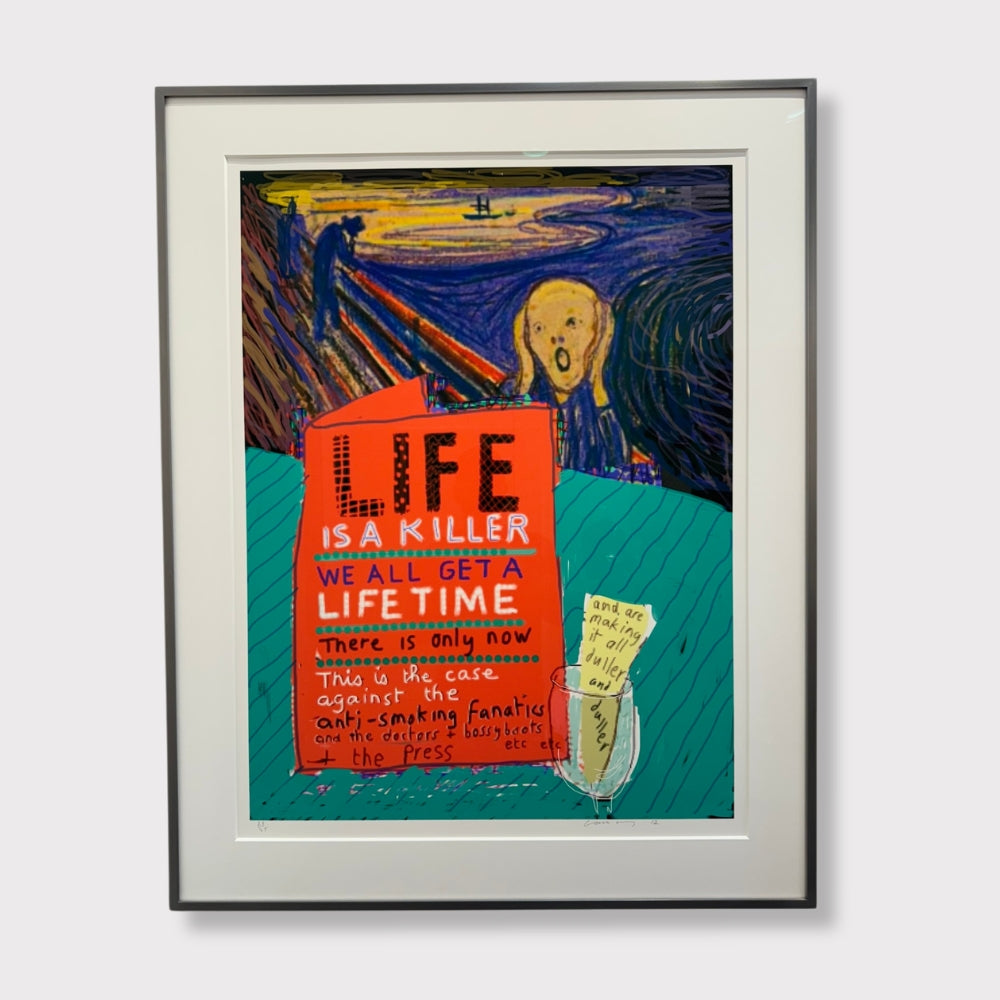
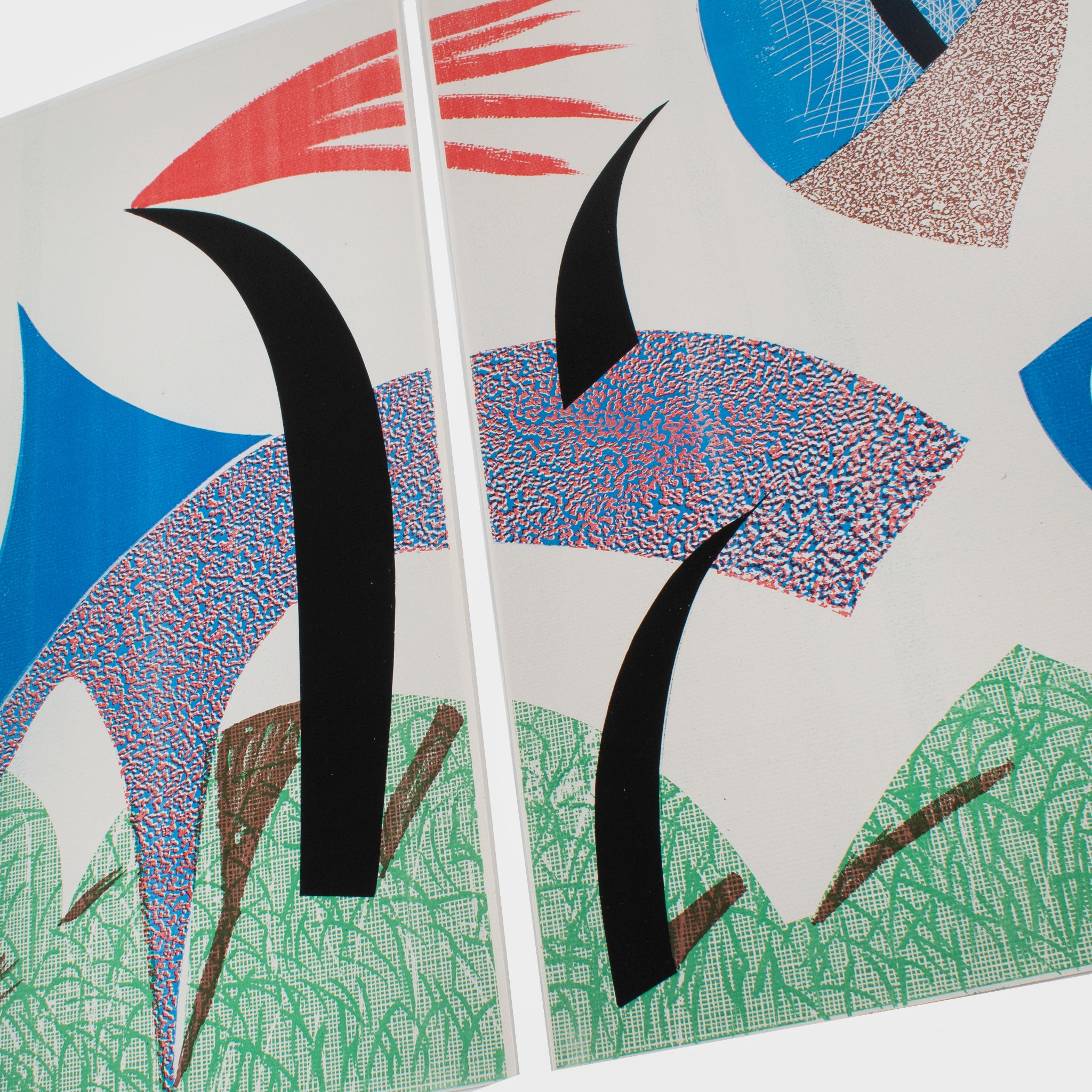
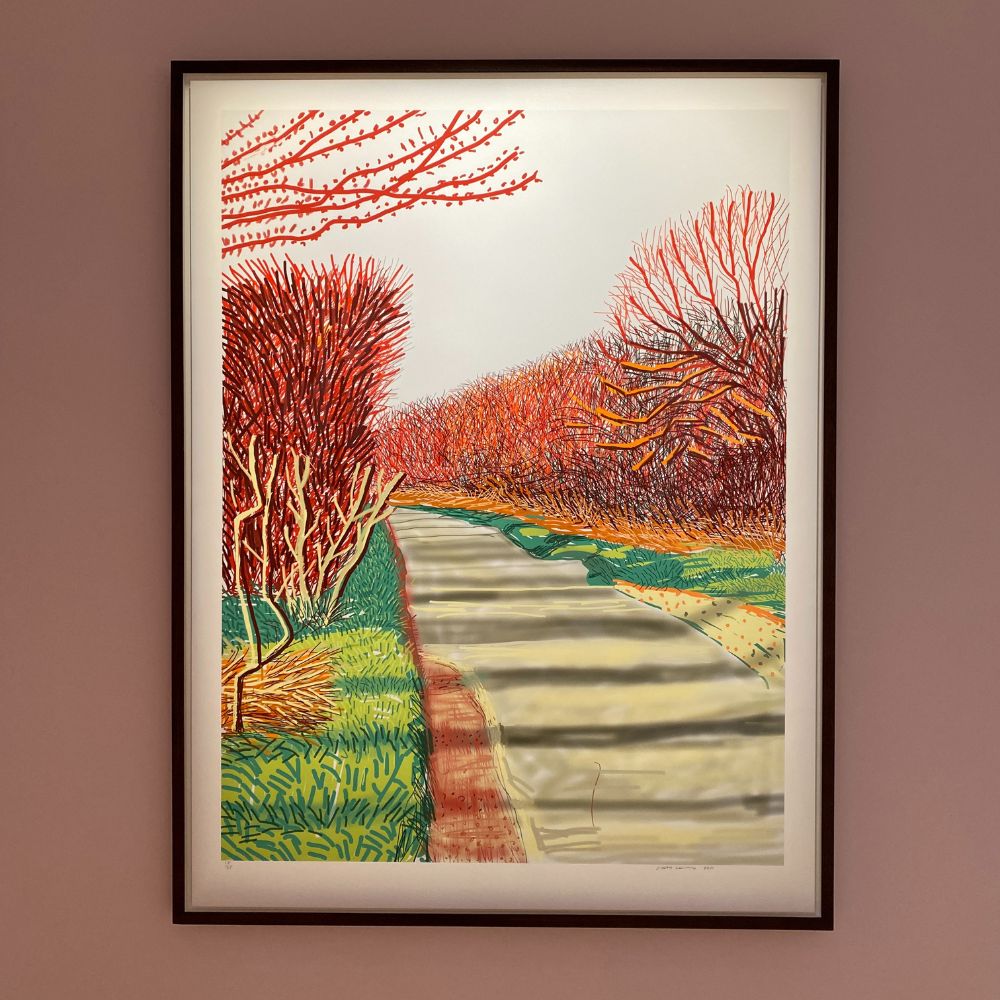
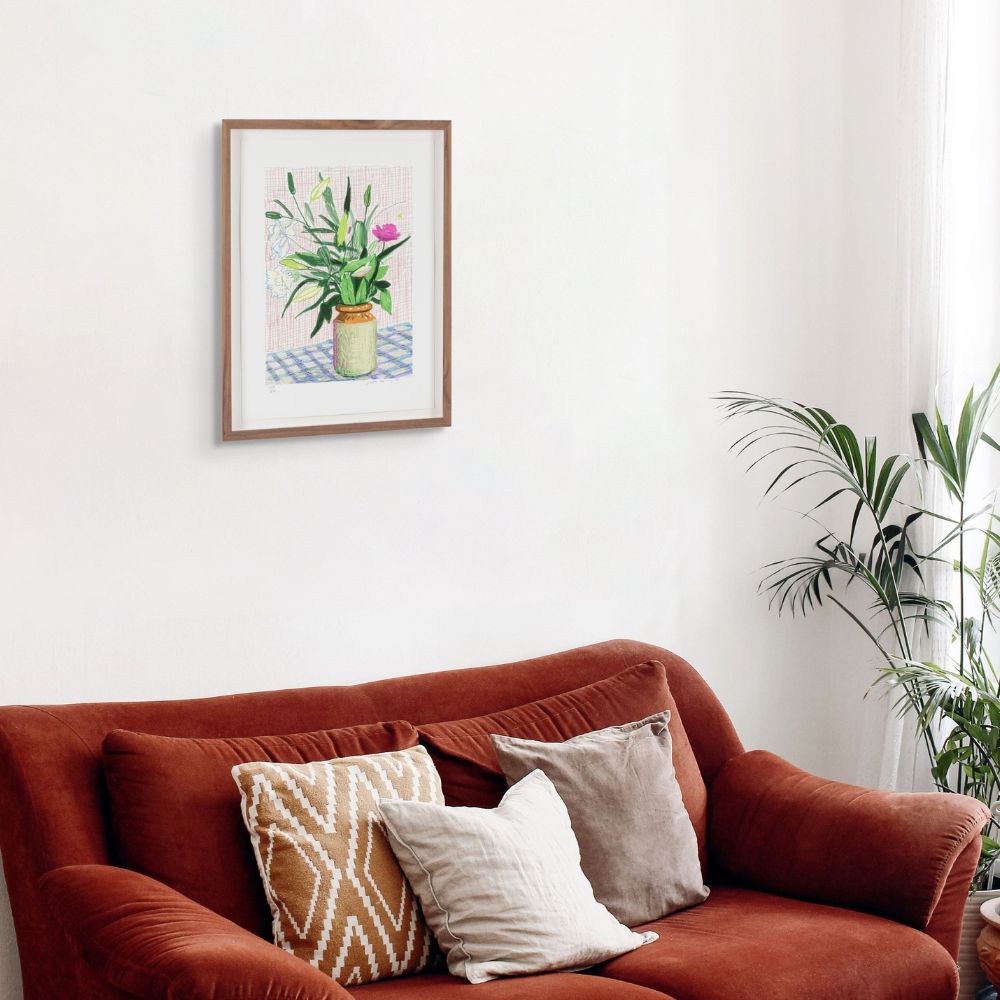
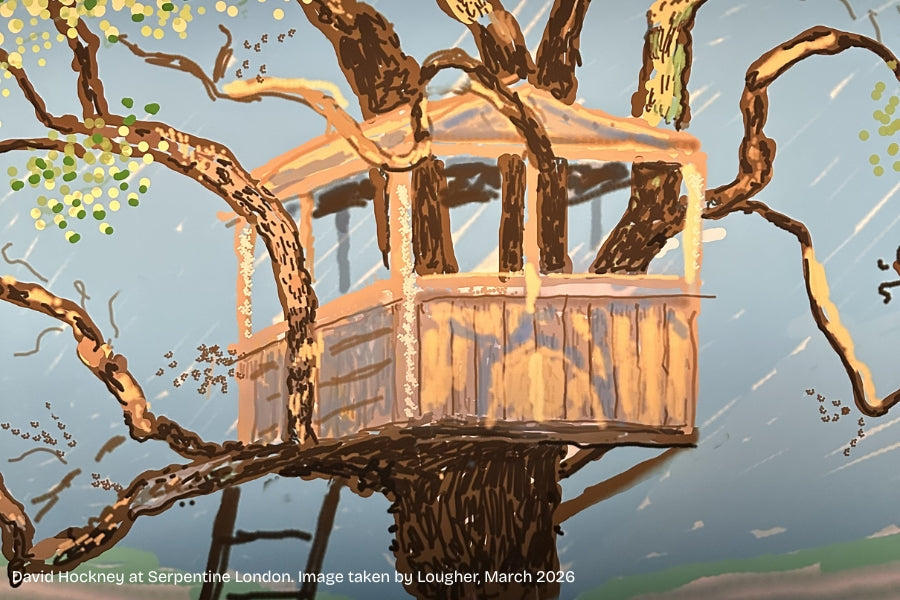
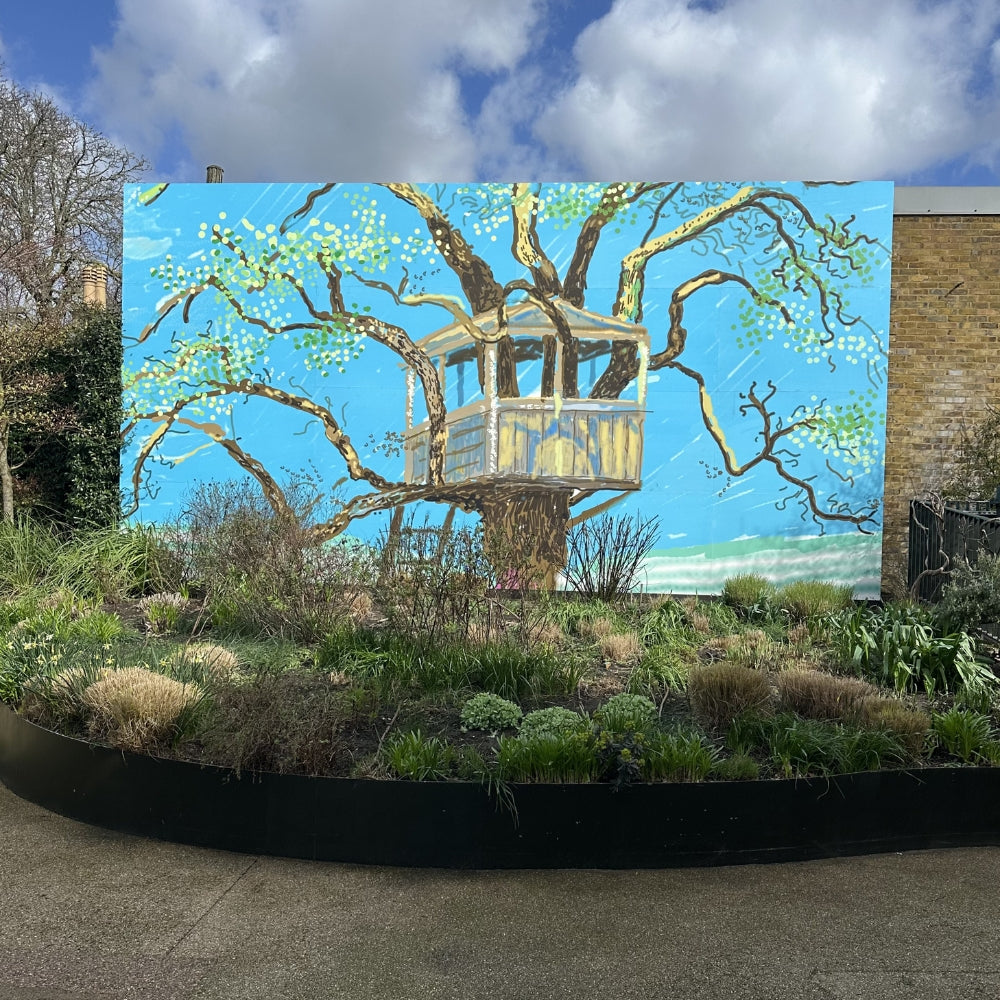
A key theme running through the Serpentine exhibition is Hockney’s embrace of technology. From iPad drawings to digitally composed compositions, the works demonstrate how the artist has consistently adapted his practice to new tools without losing his painterly sensibility.
For those interested in David Hockney’s iPad drawings, this show highlights how digital media can expand, rather than replace, traditional artistic approaches. His use of colour remains bold and expressive, while the immediacy of digital drawing allows for a spontaneity that echoes sketchbook practice.
Reconsidering Perspective in Contemporary Art
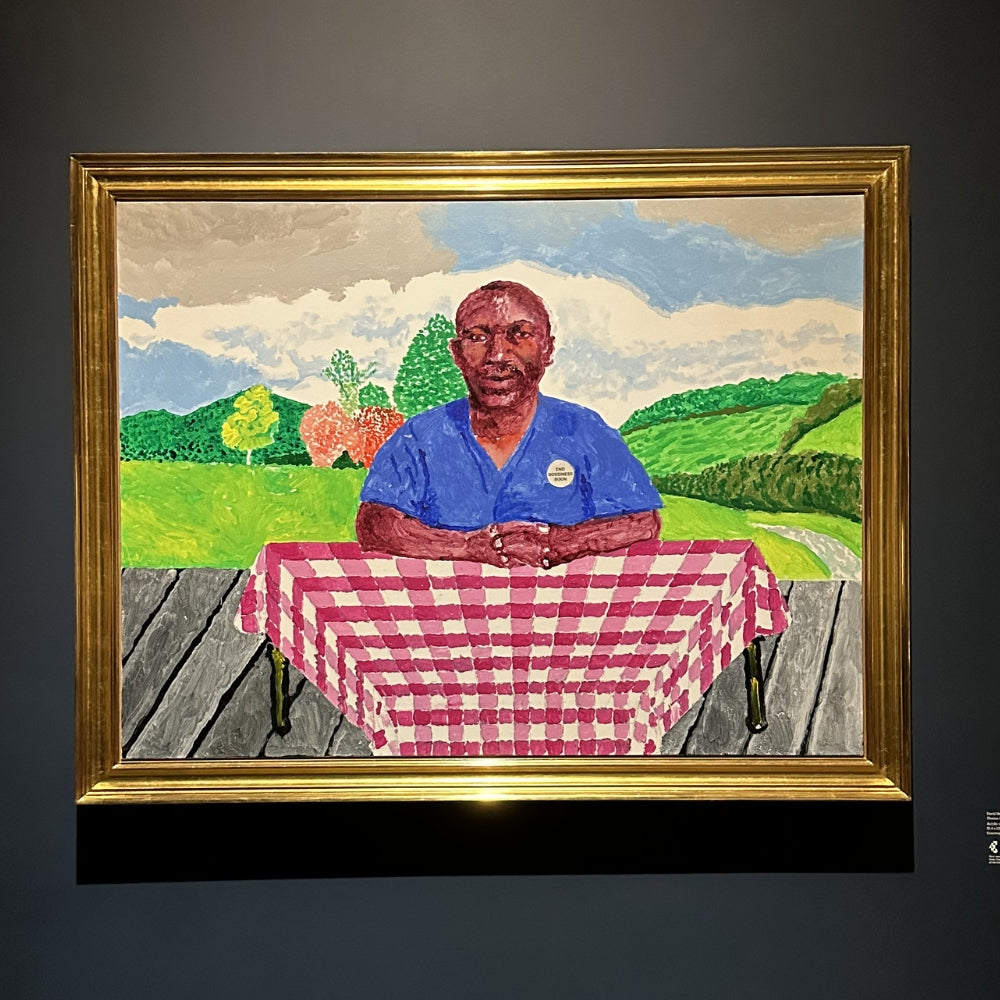
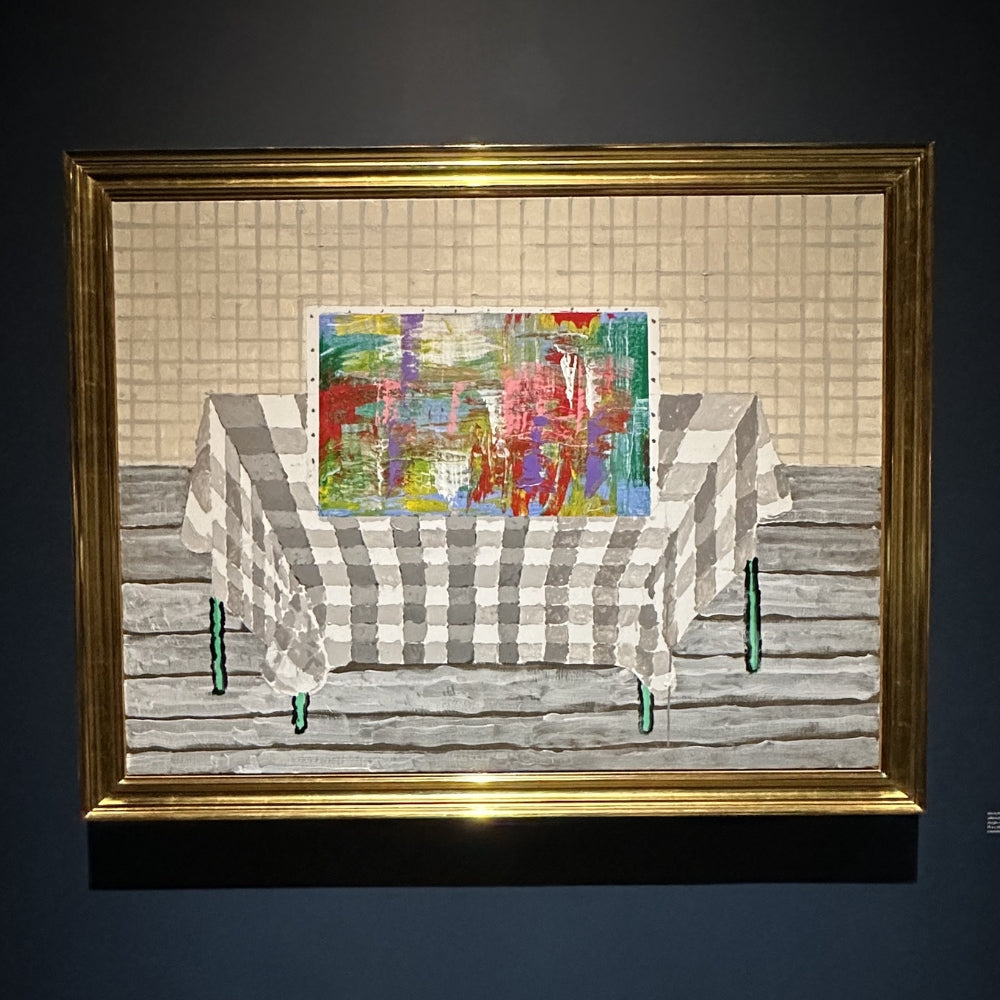
Another defining element of the exhibition is Hockney’s challenge to linear perspective. Instead of a single vanishing point, many works present multiple viewpoints simultaneously, encouraging a more dynamic interaction between viewer and image.
This approach reflects broader questions in contemporary art about perception and reality. By rejecting fixed perspective, Hockney aligns himself with both historical experimentation and modern visual culture, particularly in an age shaped by screens, photography and constant visual input.
Why This Exhibition Matters Now
In a cultural moment increasingly defined by speed and digital consumption, Hockney’s work invites a slower, more attentive way of seeing. The Serpentine show is not just a retrospective glance, but a forward-looking statement about the relevance of painting today.
It also reinforces London’s position as a global centre for contemporary art, drawing visitors interested in seeing the must-see art exhibitions in London.
Planning Your Visit to the Serpentine Gallery
Located in Kensington Gardens, the Serpentine Gallery provides an ideal setting for Hockney’s expansive works. The natural surroundings echo many of the themes present in the exhibition, particularly the relationship between landscape and time.
Visitors are encouraged to allow sufficient time to engage fully with the longer works, especially A Year in Normandie, which rewards slow, deliberate viewing.
Collecting David Hockney with Lougher Contemporary
For collectors inspired by the exhibition, acquiring works by David Hockney represents an opportunity to engage with one of the most influential artists of the past century.
At Lougher Contemporary, we offer expert guidance on collecting David Hockney, whether you are beginning your collection or expanding an existing one. You can get in touch with our team for tailored advice or browse available works to discover pieces that resonate with your interests.
This Serpentine Gallery exhibition reaffirms David Hockney’s position not just as a master of painting, but as an artist continually redefining how we experience images. By focusing on time, perception and technology, the show offers a fresh perspective that feels both timely and timeless.
Start collecting David Hockney