
David Hockney (1937–2026): An Artist Who Never Stood Still
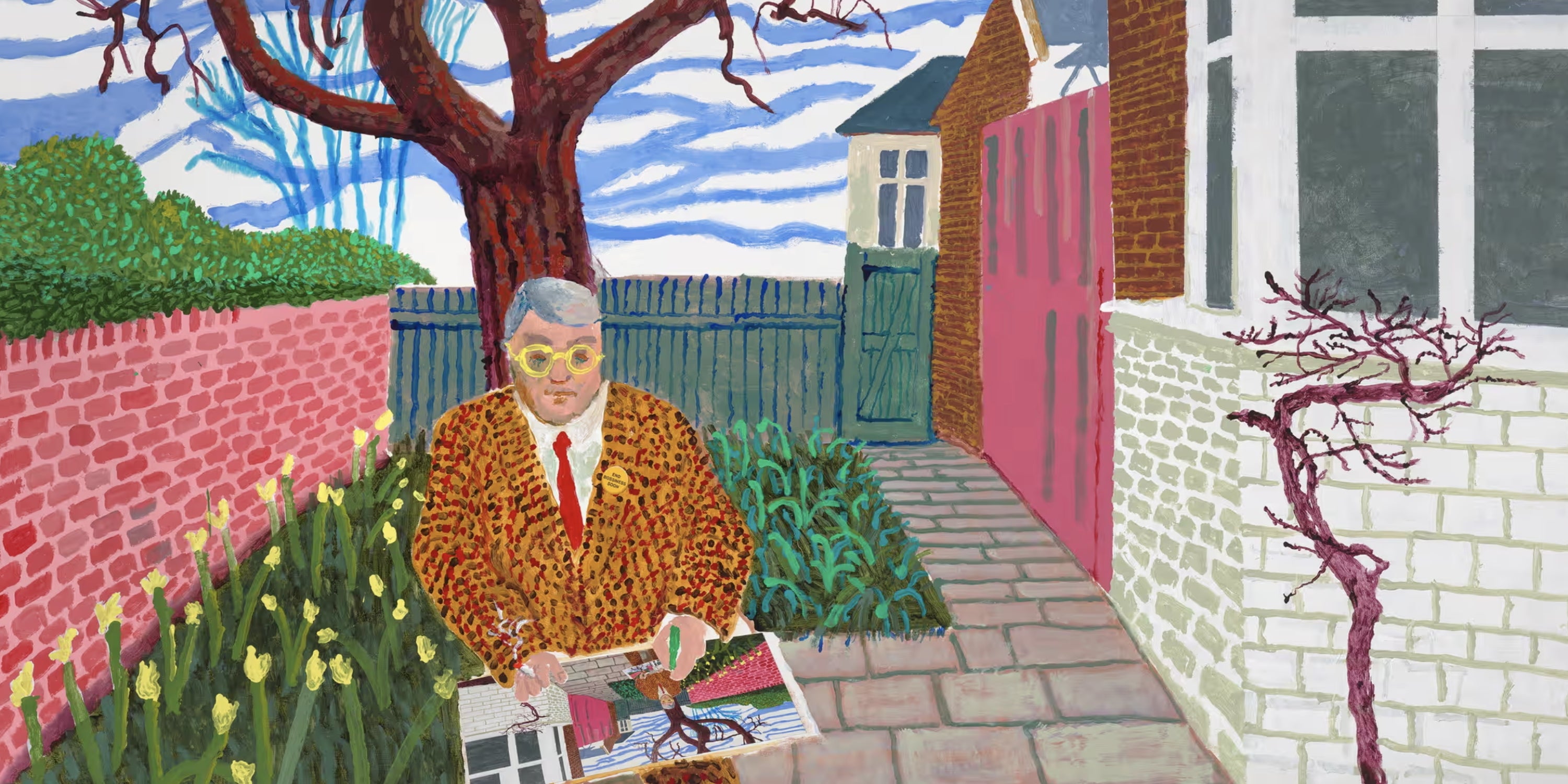
The passing of David Hockney marks the end of one of the most remarkable careers in modern art. Few artists have shaped the visual language of the twentieth and twenty-first centuries so profoundly, combining technical innovation with an enduring fascination for colour, light, and perception.
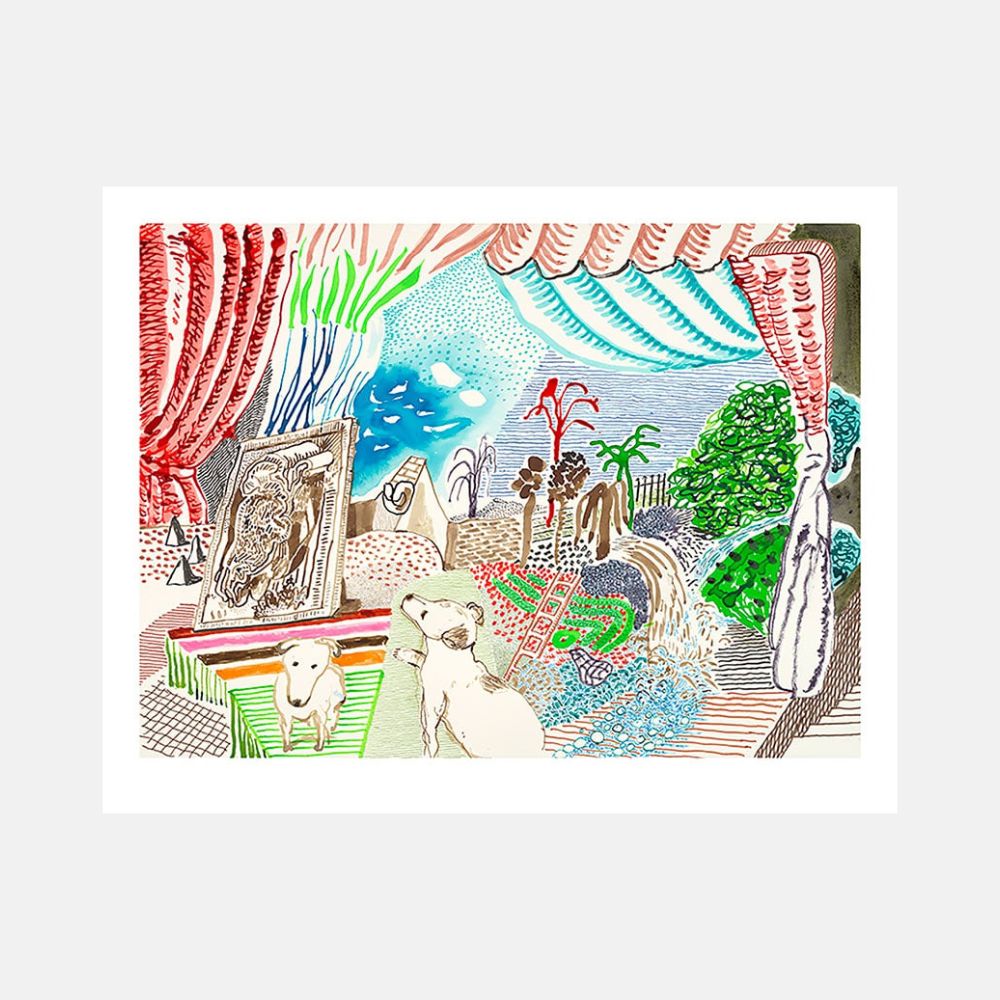
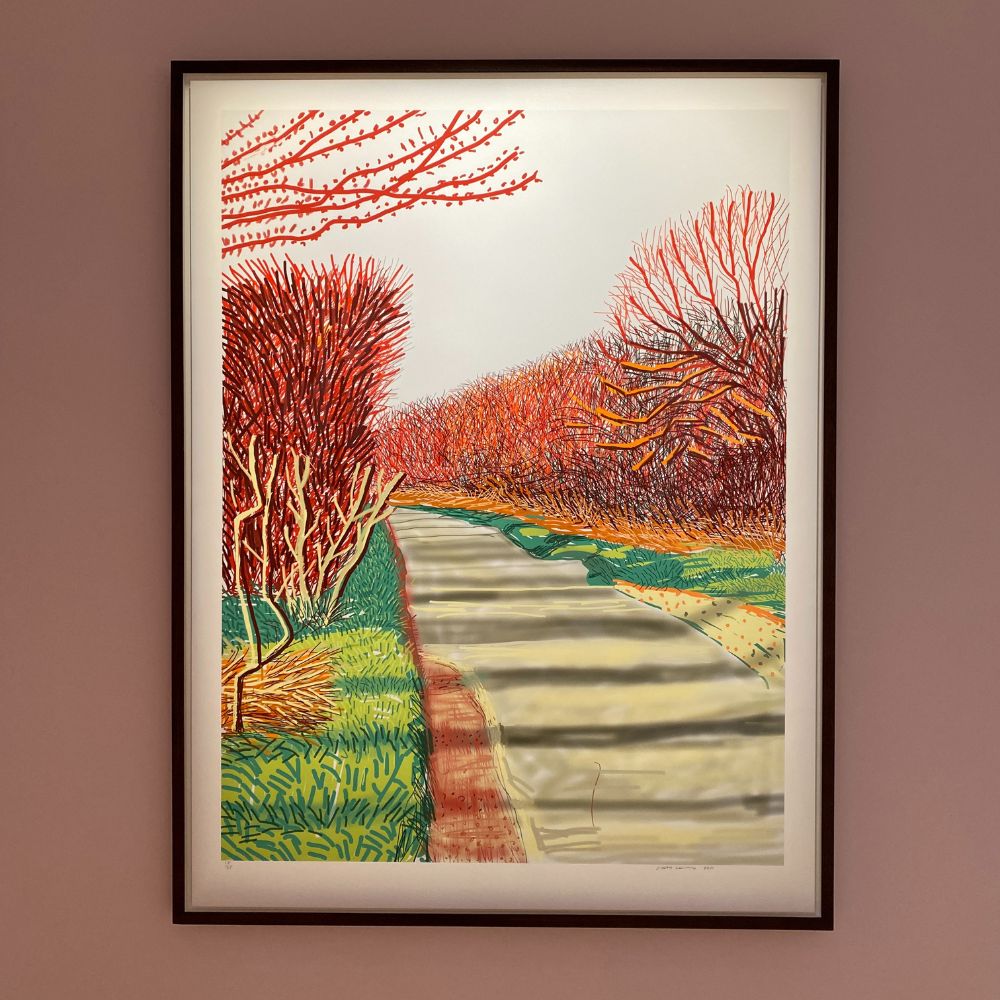
Across more than six decades, Hockney challenged conventional ideas of painting and image-making. Whether depicting the bright expanses of California, intimate portraits of friends and family, or the changing landscapes of Yorkshire and Normandy, his work remained rooted in a singular question: how do we truly see the world around us?
A Legacy Built on Looking
Hockney's paintings reward sustained attention. Beneath their apparent simplicity lies a sophisticated exploration of perspective, memory, and observation. His ability to transform everyday subjects into images of extraordinary visual impact helped make him one of the most recognisable artists of the modern era.
Portraiture occupied a central role throughout his career. Sitters often spoke of the intensity of his gaze and his ability to capture something beyond likeness alone. To be painted by Hockney was, in many ways, to be truly seen.
An Artist Who Never Stood Still
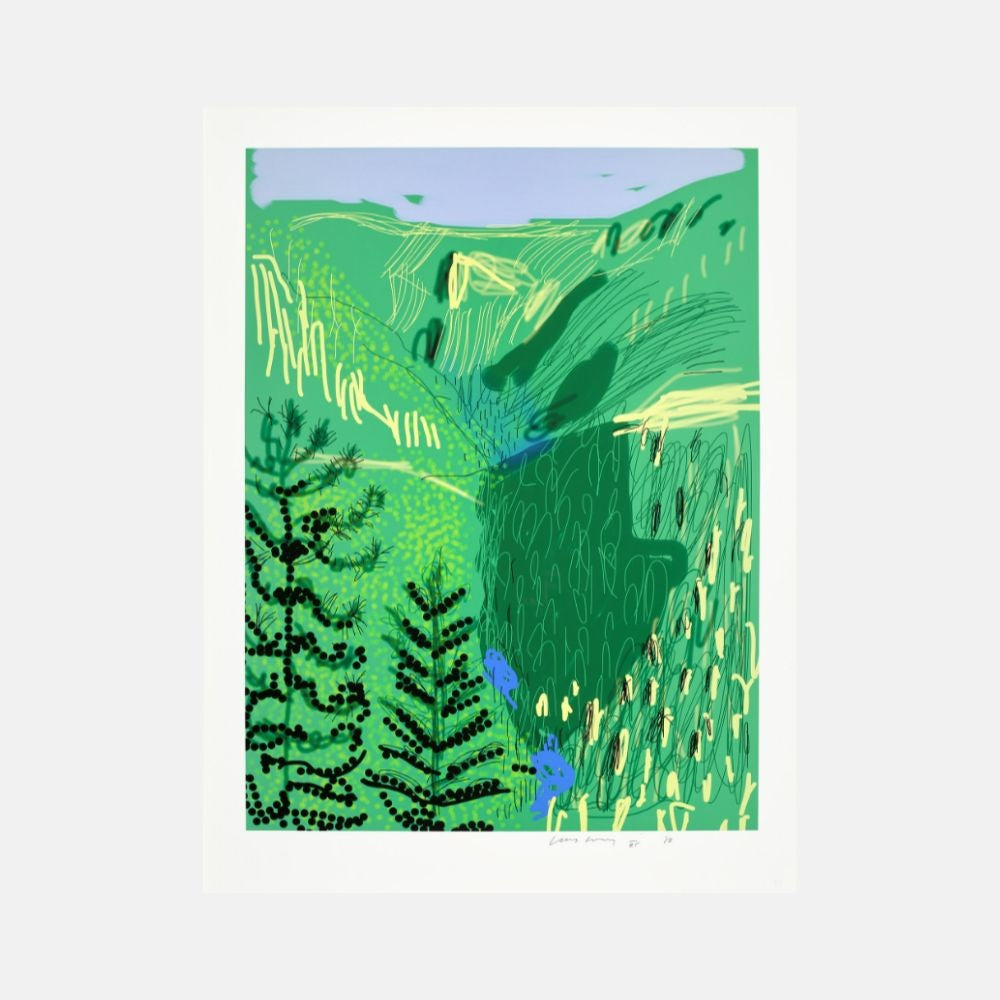
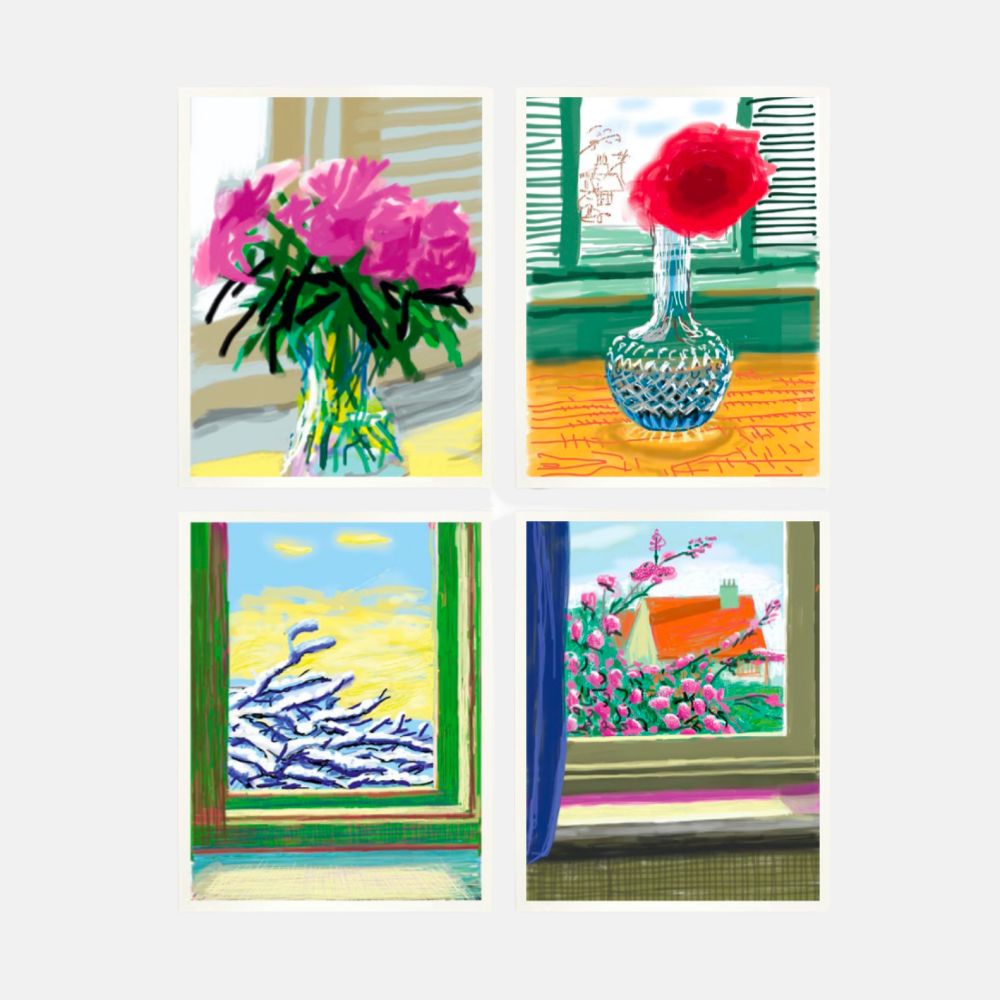
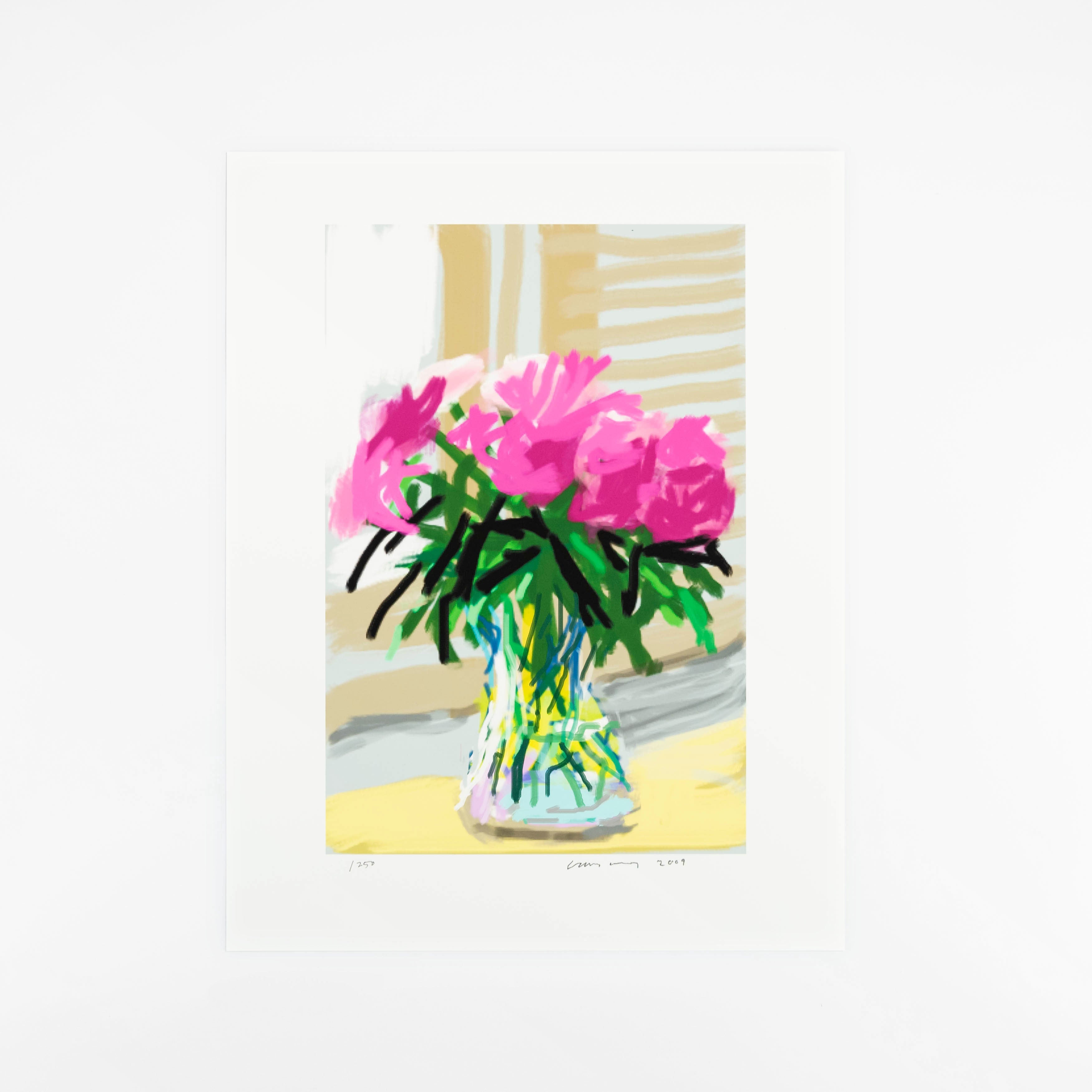
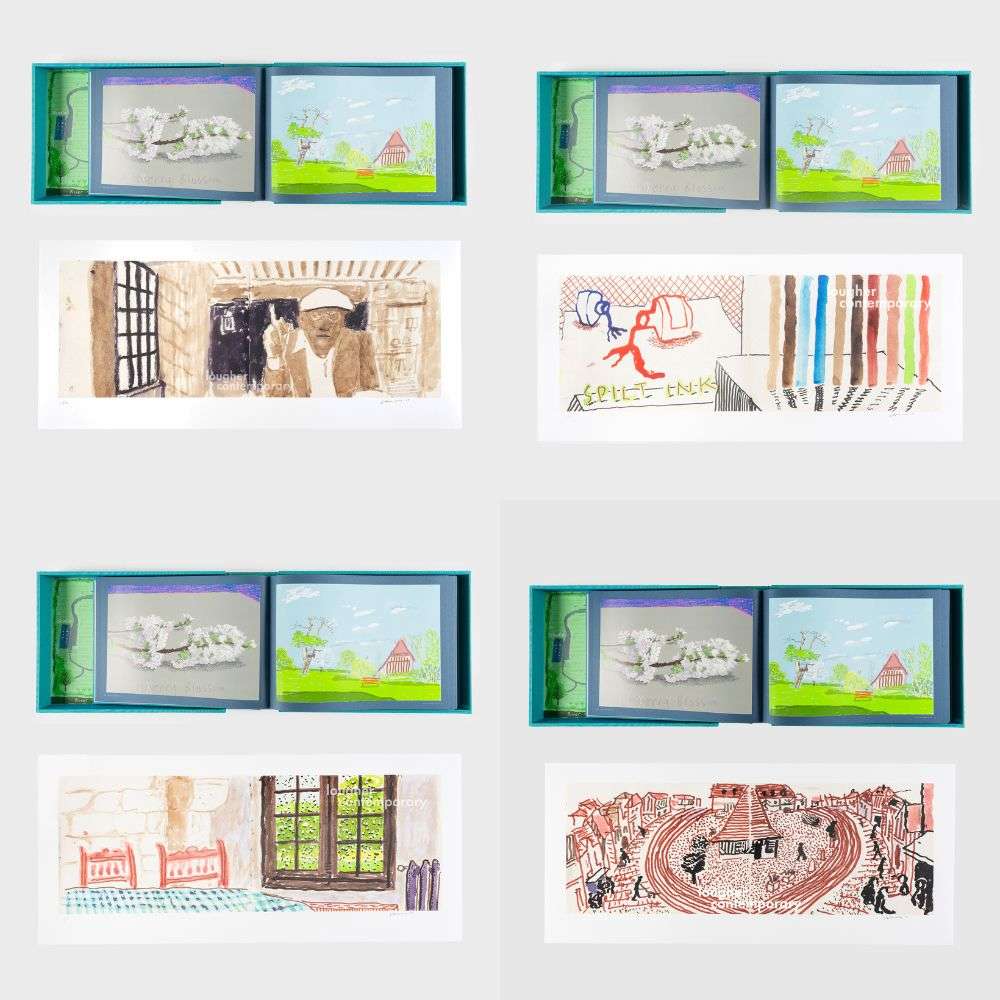
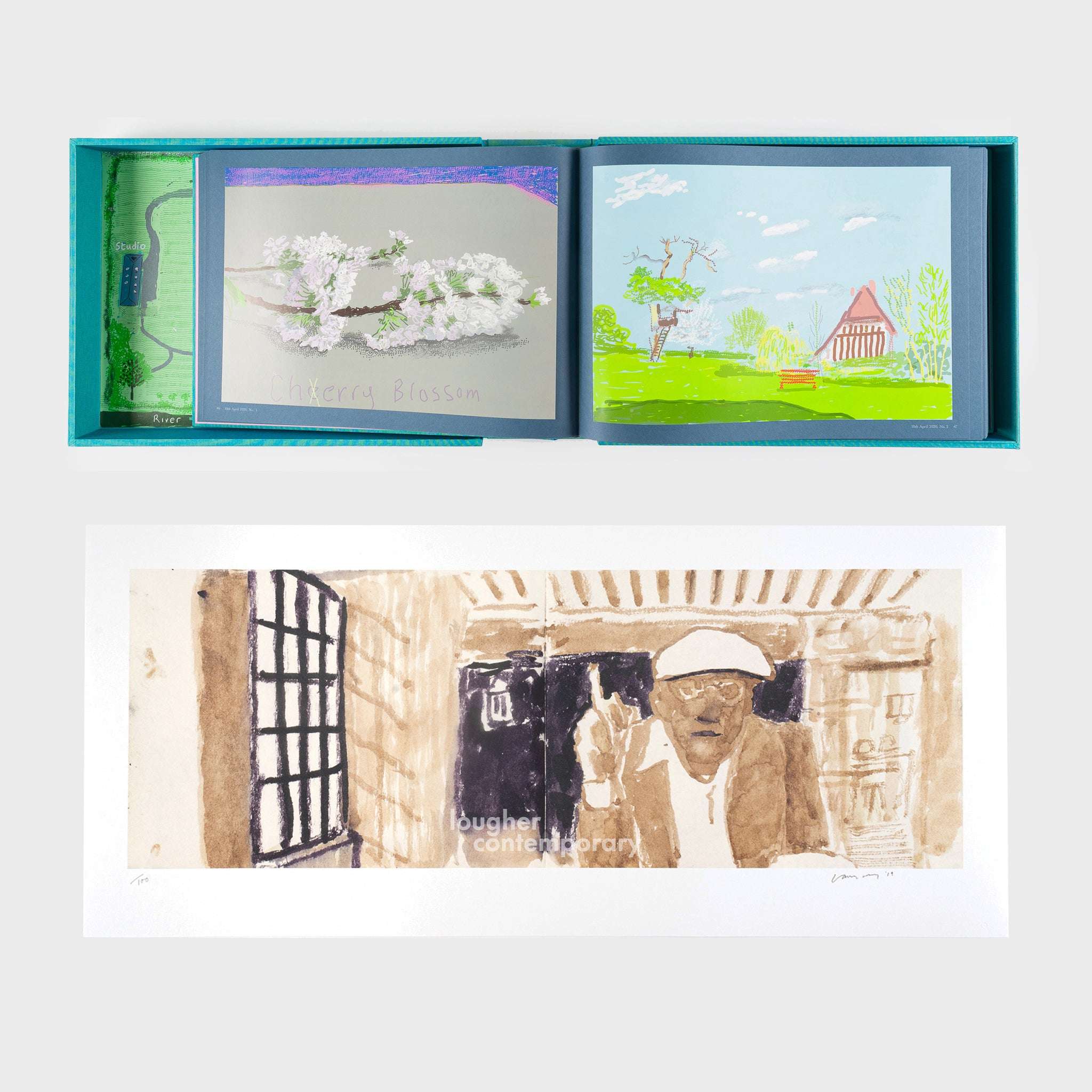
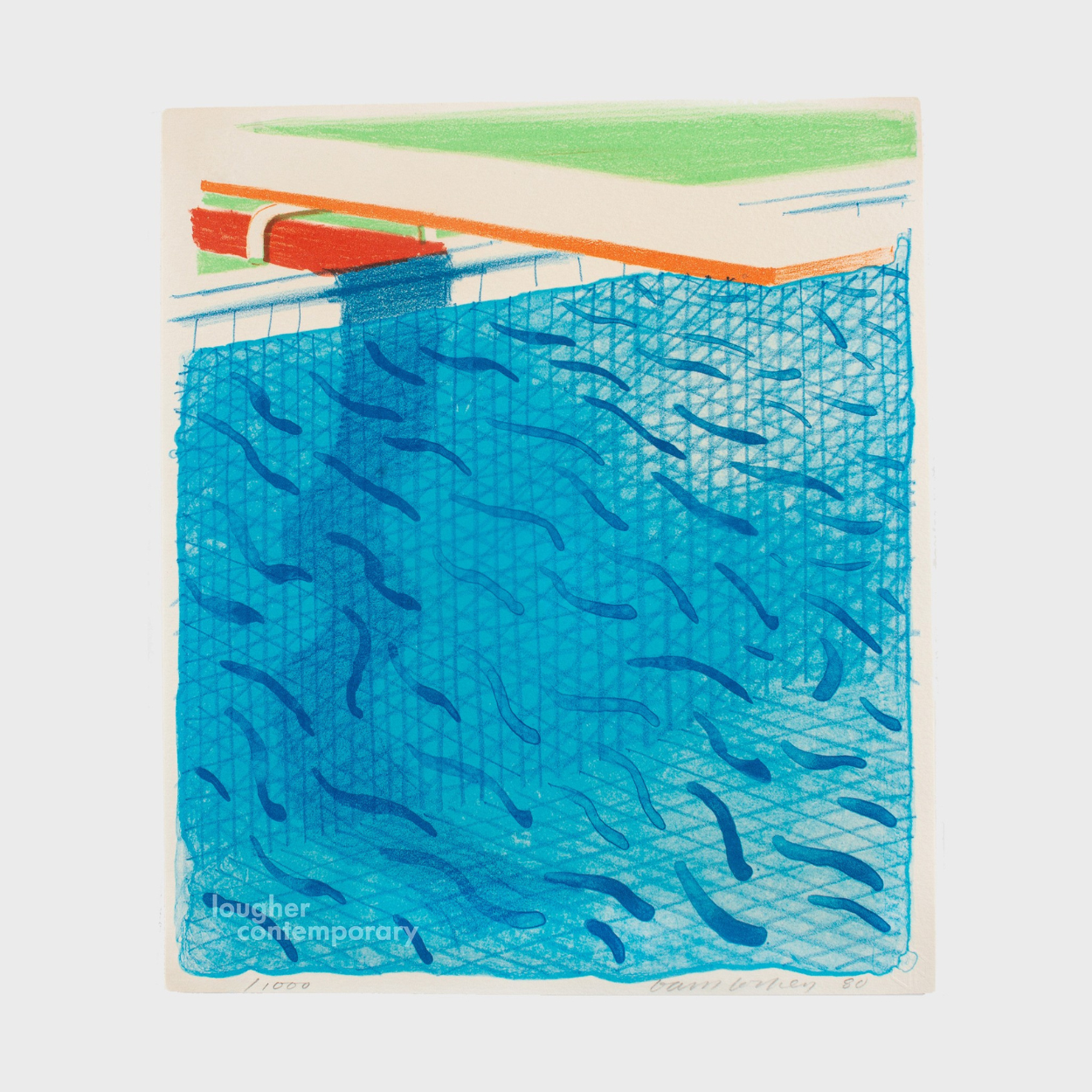
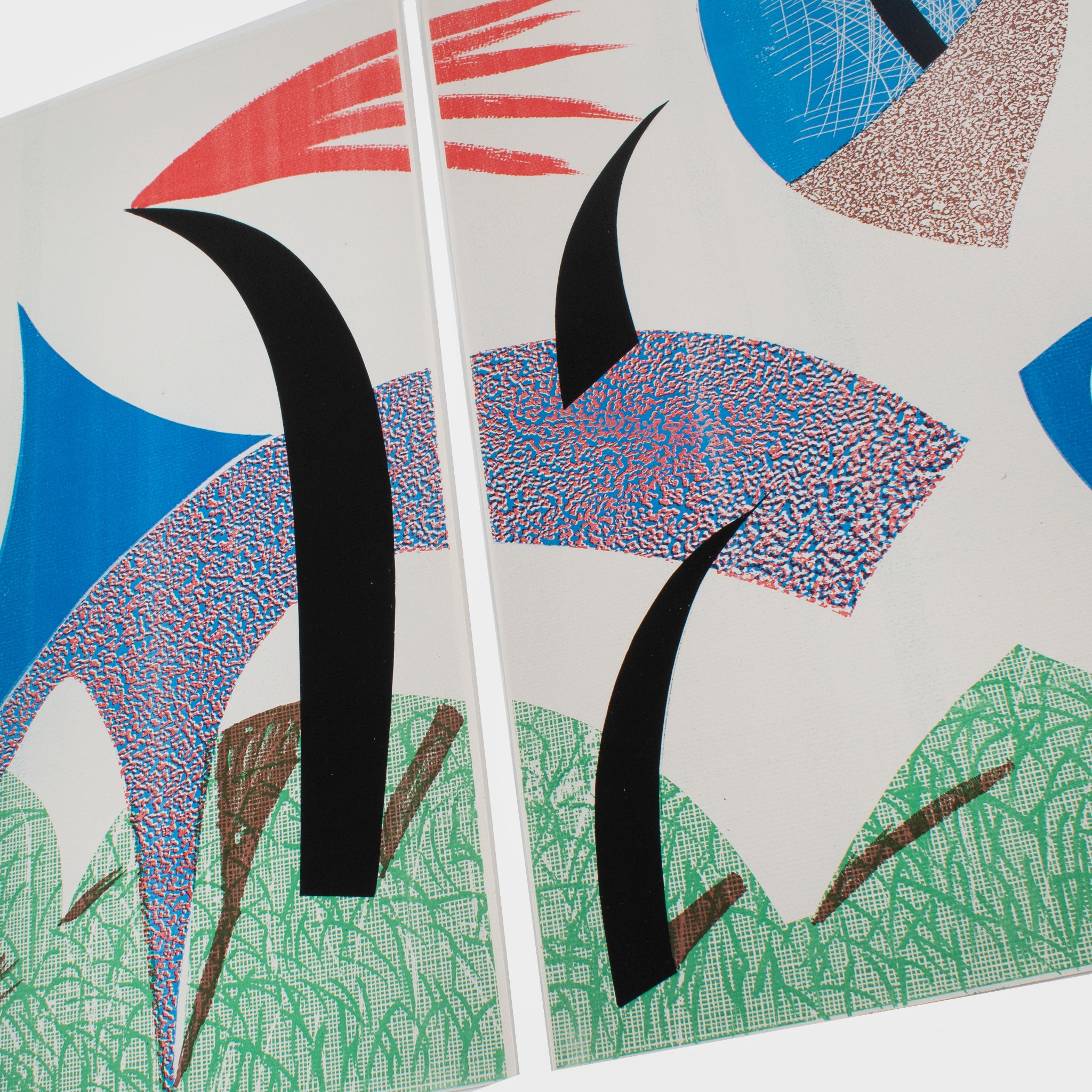
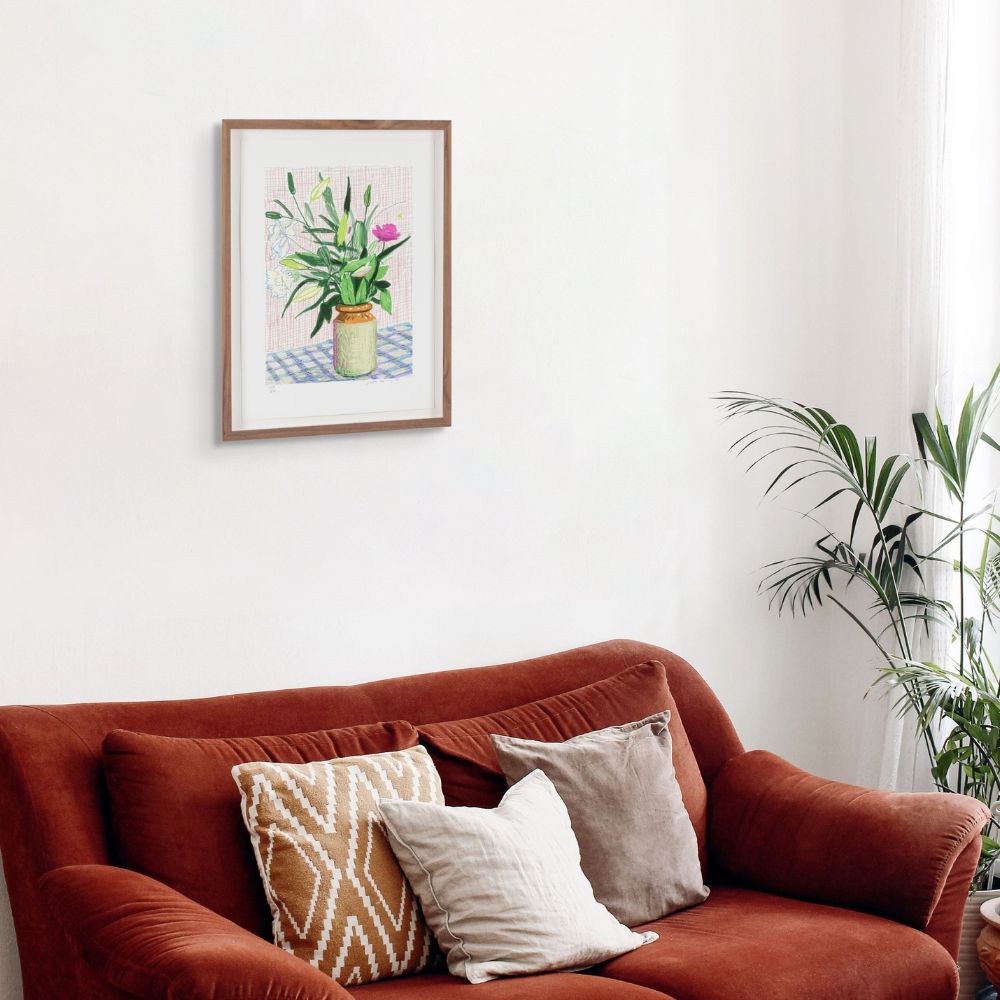
Unlike many of his contemporaries, Hockney never became confined by a single style or medium. Photography, printmaking, stage design, and digital drawing all became part of his artistic vocabulary. Even in his later years, he continued to experiment with new technologies and ways of making images.
This constant evolution is one of the reasons his work continues to resonate across generations. Hockney was never simply documenting the world; he was continually reimagining how it could be represented.
"The moment one turns a corner and sees a living thing, a dog, a person, a bird, a flower – that's life."
The Market Responds to Legacy
The death of an artist often prompts a period of renewed reflection among collectors, institutions, and the wider art market. In Hockney's case, that reflection is likely to be significant.
His works have long occupied a position among the most sought-after examples of post-war British art, with major paintings, drawings, and prints held in leading collections around the world. As museums and collectors revisit his contribution to art history, attention inevitably turns to the finite body of work he leaves behind.
For collectors, moments such as these often represent an opportunity to reassess both the historical significance and long-term importance of an artist's market. With no new works to enter circulation, the focus shifts entirely to the legacy that remains.
Looking Forward
While the art world mourns the loss of an extraordinary creative force, Hockney's influence is unlikely to diminish. His work continues to speak to fundamental questions about observation, beauty, and human experience.
The conversation around David Hockney is far from over. If anything, it is entering a new chapter—one in which his achievements, influence, and enduring market significance will be considered with even greater clarity.
Start collecting David Hockney