

Artwork Condition & Provenance Explained: A Guide to Authenticity
and Buying Art Safely Online
By Fay Turner, Senior Collections and Logistics Associate at Lougher
Why Artwork Condition Matters When Buying Art Online
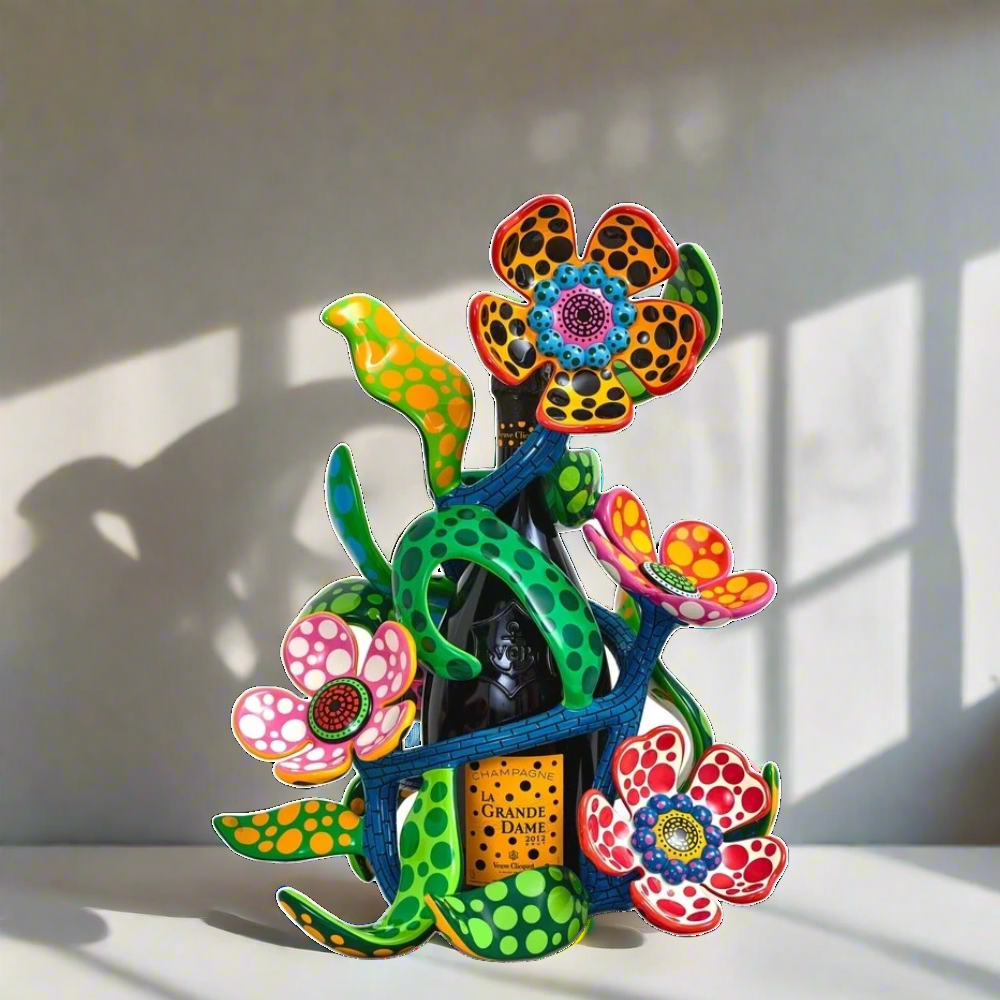
For us at Lougher Contemporary the condition of an artwork is important as we want to be transparent. We want any buyer to understand what they will be receiving and the condition it will be in. This becomes more important as we continue to sell older works such as those from Yayoi Kusama.
When condition checking artwork, we use a number of different terminologies to describe their overall appearance. Below are a few examples to support any collector in their understanding of our condition terminology:
Understanding Artwork Condition: Terminology Explained
Common Artwork Condition Terms Used by Galleries
• Mint – Perfect condition
• New, as issued – Artwork has come directly from the publisher and is as issued
• Excellent – Minor condition issues such as minor discolouration or creasing
• Very Good – Flaws that draw the eye under normal/everyday viewing conditions
What to Expect from an Artwork Condition Report
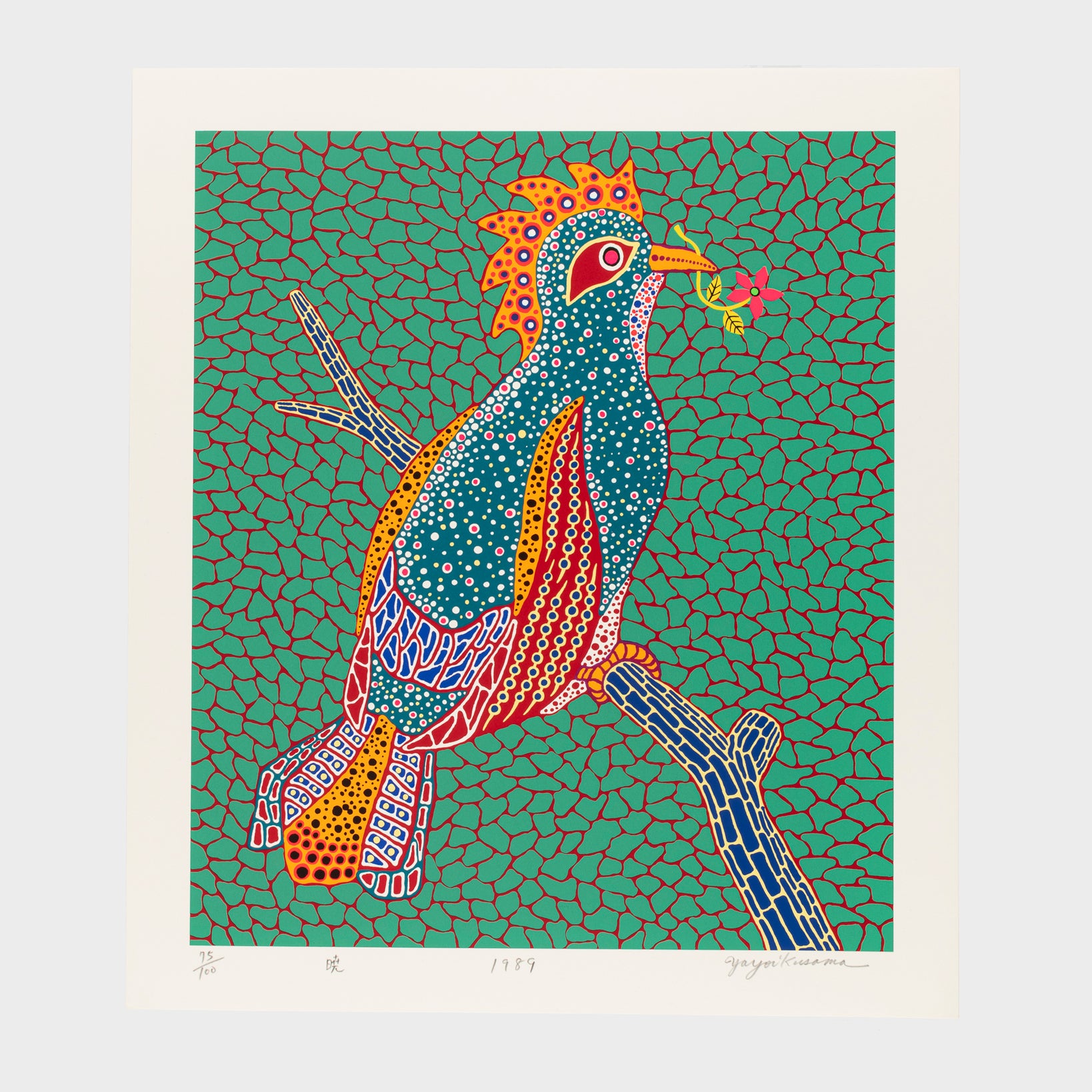
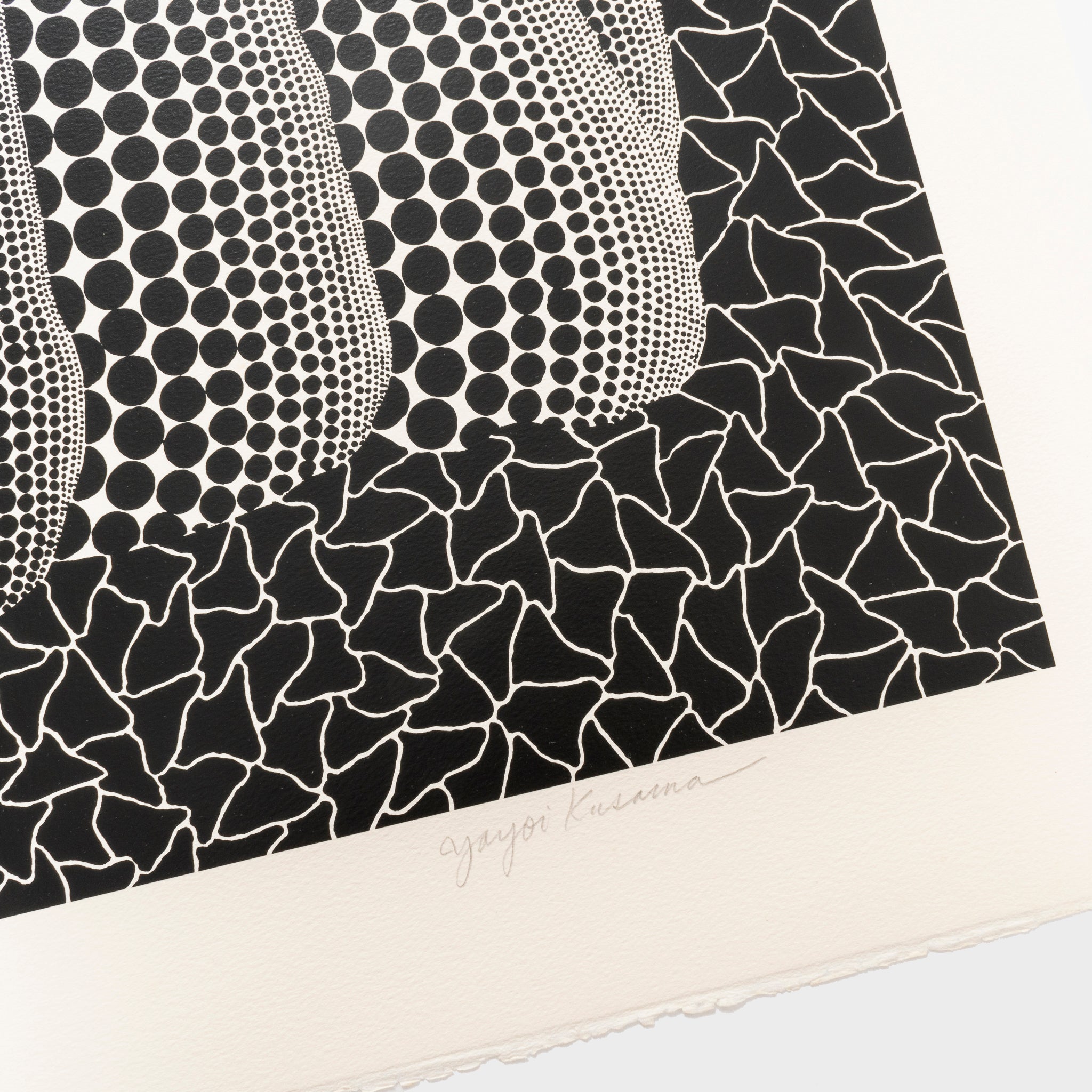
If an artwork is described as anything other than Mint or New, as issued, when writing a condition report I will describe the details of what that artwork’s condition issues are. For instance, here is an example of a condition report I wrote for a Yayoi Kusama print we sold. In it I’m specific as to, what the issue is, where it is on the print and how visible it is to the viewer:
“Artwork in excellent condition considering its age. Barely visible staining along very edges of print and on reverse. The colours and details of the work remain vivid and bright. No condition issues visible when viewed in frame.”
A report such as this, accompanied by images you view online are there to support you in your decision of if you wish to move forwards with a purchase.
When Condition Is Listed as “Upon Request”
As well as the condition terms listed above, we sometimes use the term ‘Condition Upon Request’ rather than putting a condition report online. There could be a couple of reasons for this. Firstly, we may not have the artwork in hand. Although we may have a detailed description and images of an artwork from a seller, we would much prefer to check the artwork in person by our professional art handlers and get their expert opinion before listing the condition. Secondly if an artwork is older, we’d like to send you additional images and more details of the item to ensure you as the buyer understand the condition and are ready to move forward with the purchase.
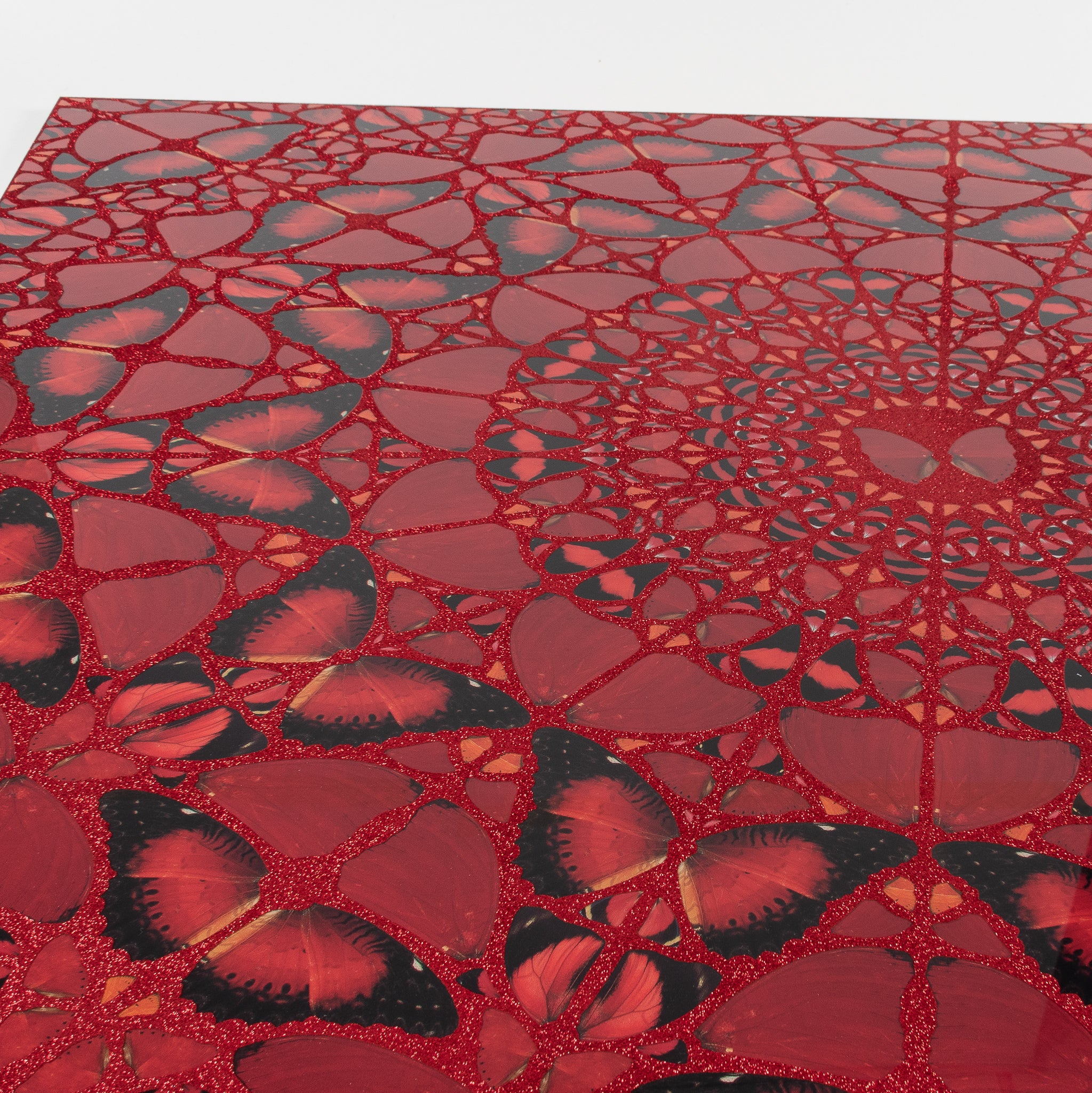
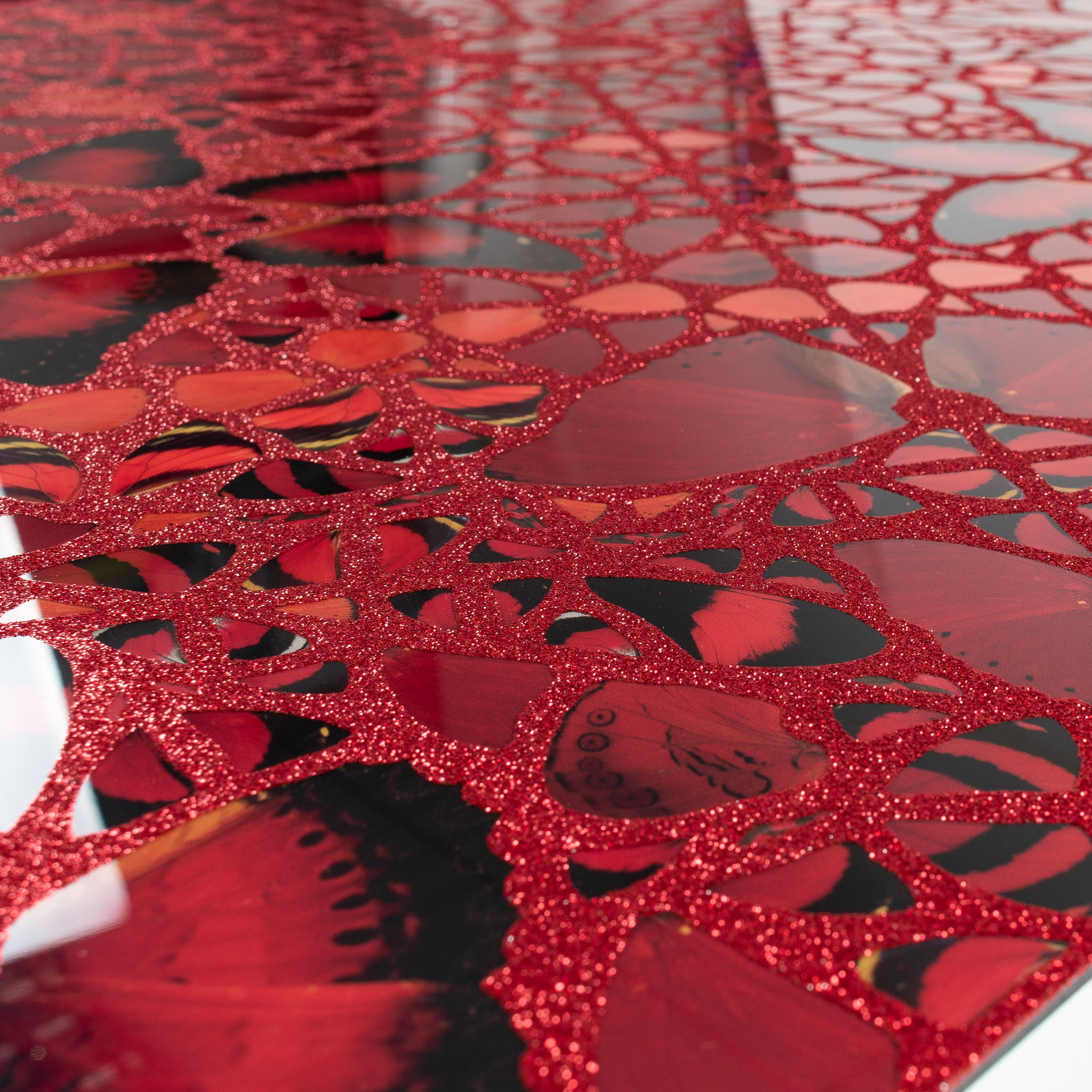
Additionally, some artwork condition reports will have a note about how the work has been produced. For instance, we currently have some Damien Hirst artworks from the series ‘H10’ for sale. These artworks come with the following caveat, as glitter on any artwork will never be totally adhered to the surface:
“Mint. Minor imperfections may appear due to the production process. Due to the artist’s intended use of materials, the presence of loose glitter on the artwork is normal and not considered a condition issue”.
Provenance vs Authenticity
They're not the same thing - and in the prints market, the distinction is important.
Most collectors use the terms interchangeably. They shouldn’t.
Provenance is the documented ownership and exhibition history of a work. It is important, sometimes critical especially for older artworks. For example, if you're acquiring an 19th Century painting that has passed through major collections, been shown in institutional exhibitions, that history is key to determining authenticity and can also directly affect value.
For contemporary prints and editions, provenance is less important. Some collectors do ask about the full ownership history of a print. It's a reasonable instinct, but in practice it's rarely possible to determine - and rarely meaningful. The moment a work passes through auction, the audit trail ends.
What matters far more is authenticity.
Authenticity refers to whether an artwork has been produced by, or otherwise authorised by, the artist. If an artwork is not authentic, it is widely referred to as a fake or an unauthorised copy. If you are building a collection or investing in art, it is very important you are buying authentic works of art.
What role do Certificates of Authenticity (COA) play?
The existence of an official COA confirms an artwork is authentic. These are typically issued by the artist, the artist’s gallery or a publisher of the artist’s editions.
However, it is very important to note that the vast majority of artworks are not issued with an official COA. It follows that the absence of a COA does not mean an edition is not authentic. Far from it, and this is very important as this is a common mis-understanding in the art market.
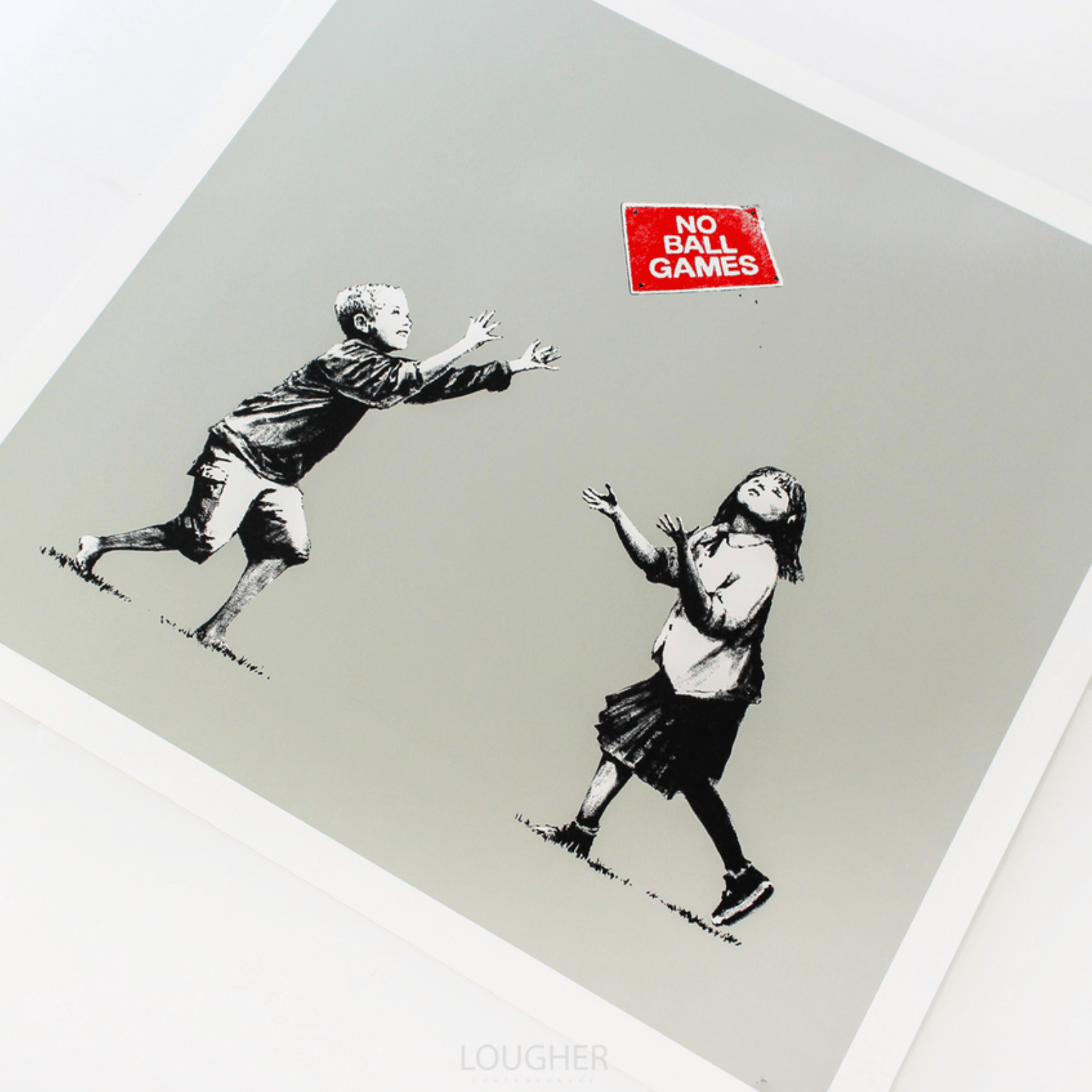
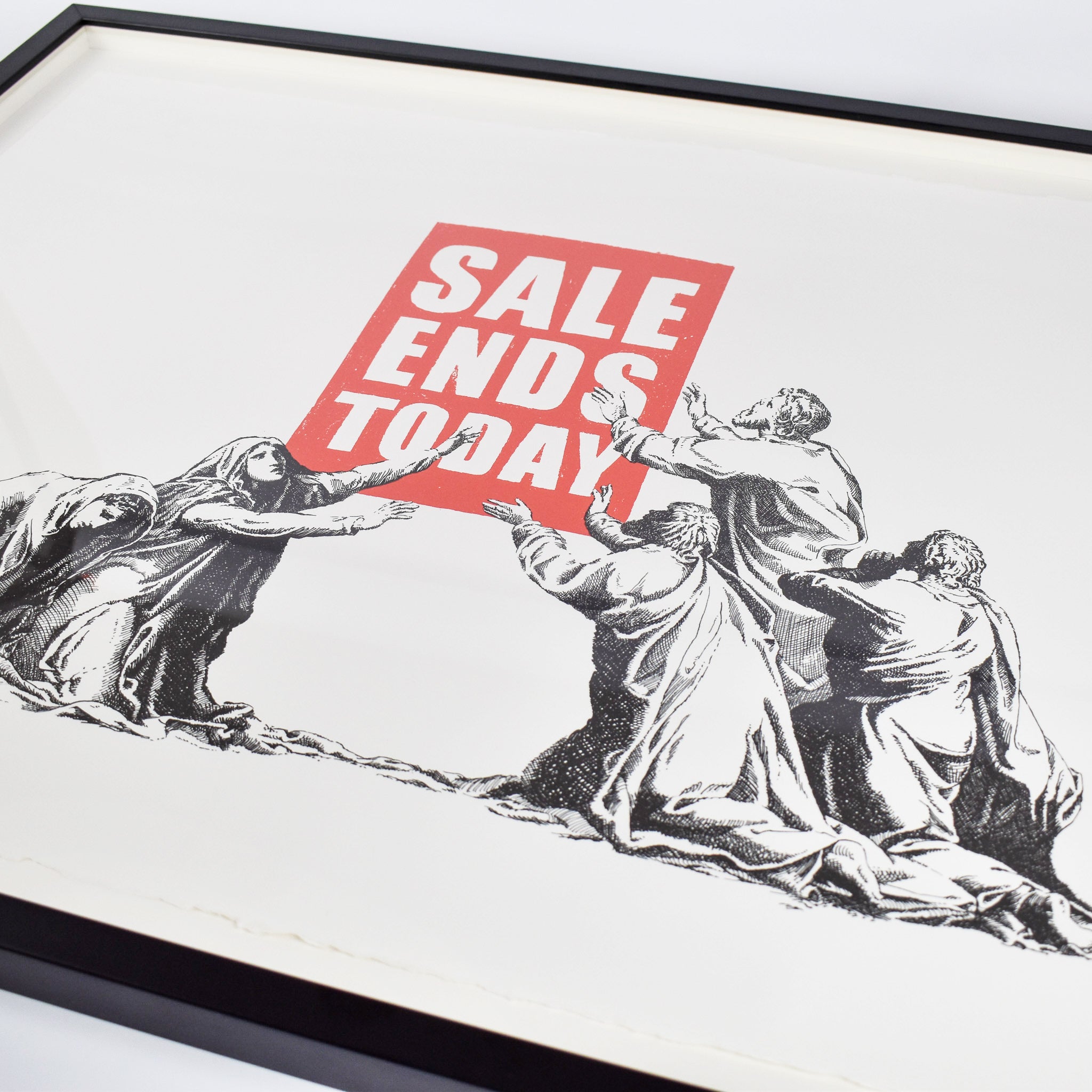
For certain artists, however, COAs plays a far more critical role. In the case of Banksy, the prevalence of forgeries has made authentication a central concern. To address this, Pest Control established a formal authentication system through which collectors can apply for official certification of Banksy’s works. Since its introduction in 2009, this process has shaped his market to the extent that the artist’s prints are now almost invariably traded with a Pest Control COA, reinforcing both buyer confidence and market consistency. Once again, it is worth noting that the absence of a Pest Control COA does not mean the print is not authentic – but it does increase the risk and also passes the responsibility of applying for a Pest Control COA to the new buyer.
In the absence of an official COA, having deep knowledge of the art market and carrying out due diligence allows us to be confident of an artwork’s authenticity. At Lougher Contemporary, every acquisition goes through the same due diligence regardless of price point - buying from reputable sources, cross-referencing against catalogue records, studying a print’s markings, and applying the kind of specialist knowledge that comes from years working exclusively in this market.
Our Approach to Artwork Condition Reports and Provenance
Here at Lougher, once an artwork arrives an art handler will ensure the entire work is inspected and that it has been photographed from all angles with any condition issues noted on its condition report.
We are always here to help if you have any questions or concerns about condition. We will happily provide any additional images or videos of an artwork so you can ensure you know what you are purchasing. Ultimately, we want to be as clear as possible so you know what you are buying so we can support you in your art collecting journey.
Get in touch with our team to speak to one of our specialists or find out more.
Cataloguing and Condition Checking Guide for Art Collectors
Properly cataloguing and checking the condition of your artwork is an important part of caring for your collection. Whether for personal documentation, insurance purposes, or resale considerations,...