
David Hockney (1937–2026): An Artist Who Changed How We See
The art world has lost one of its defining figures. David Hockney, the British painter whose work reshaped the possibilities of contemporary art, has died at the age of 88.
Hockney’s significance is difficult to overstate. Emerging in the 1960s, he quickly established himself as a central voice in a generation of artists who reimagined painting for a modern, image-saturated world. Yet even within that context, his approach stood apart—less concerned with stylistic orthodoxy than with a sustained, restless investigation into perception itself.
A defining voice in post-war British art
Hockney emerged in the 1960s as part of a generation that redefined painting for a modern, image-saturated world. From early recognition onward, his work resisted categorisation—moving between Pop sensibilities, deeply observational portraiture, and expansive landscape studies.
Rather than adhere to a fixed style, he developed a practice defined by inquiry: how images are constructed, how space is perceived, and how colour alters emotional and spatial experience.
Seeing as subject: light, space, and perception
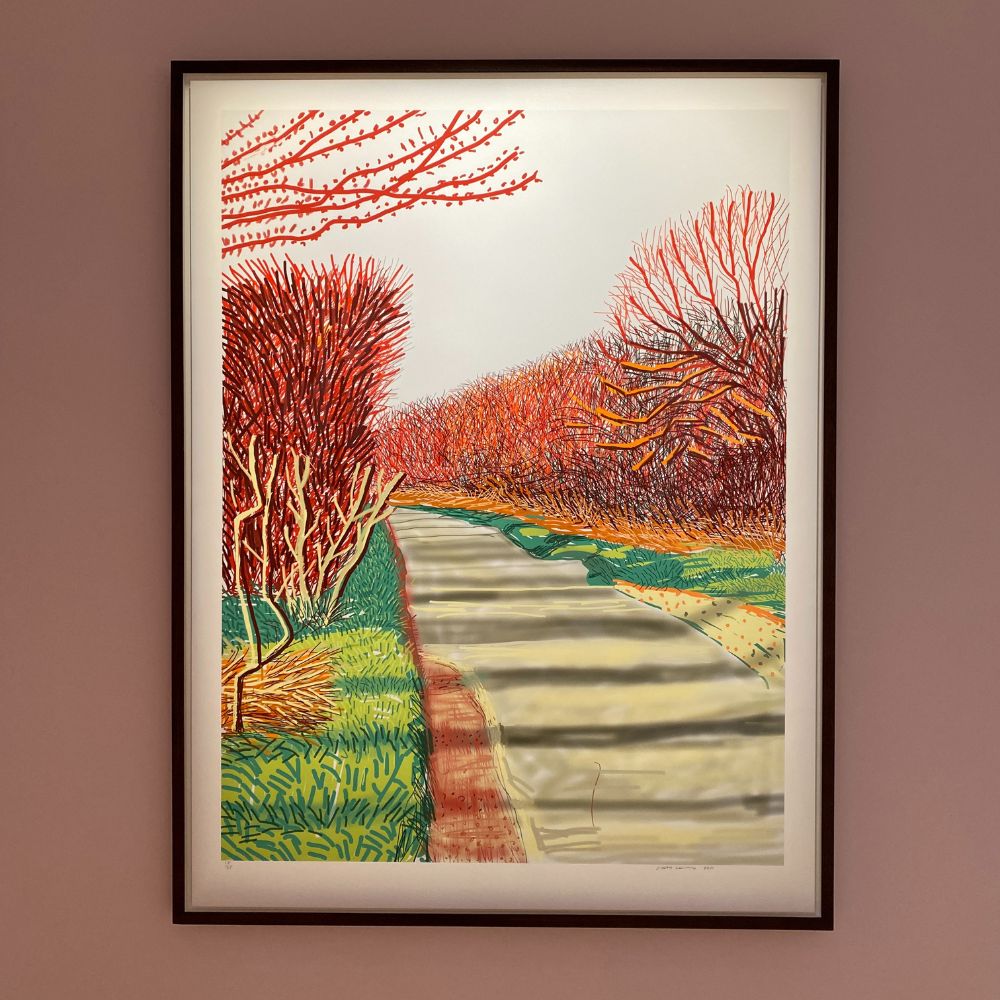
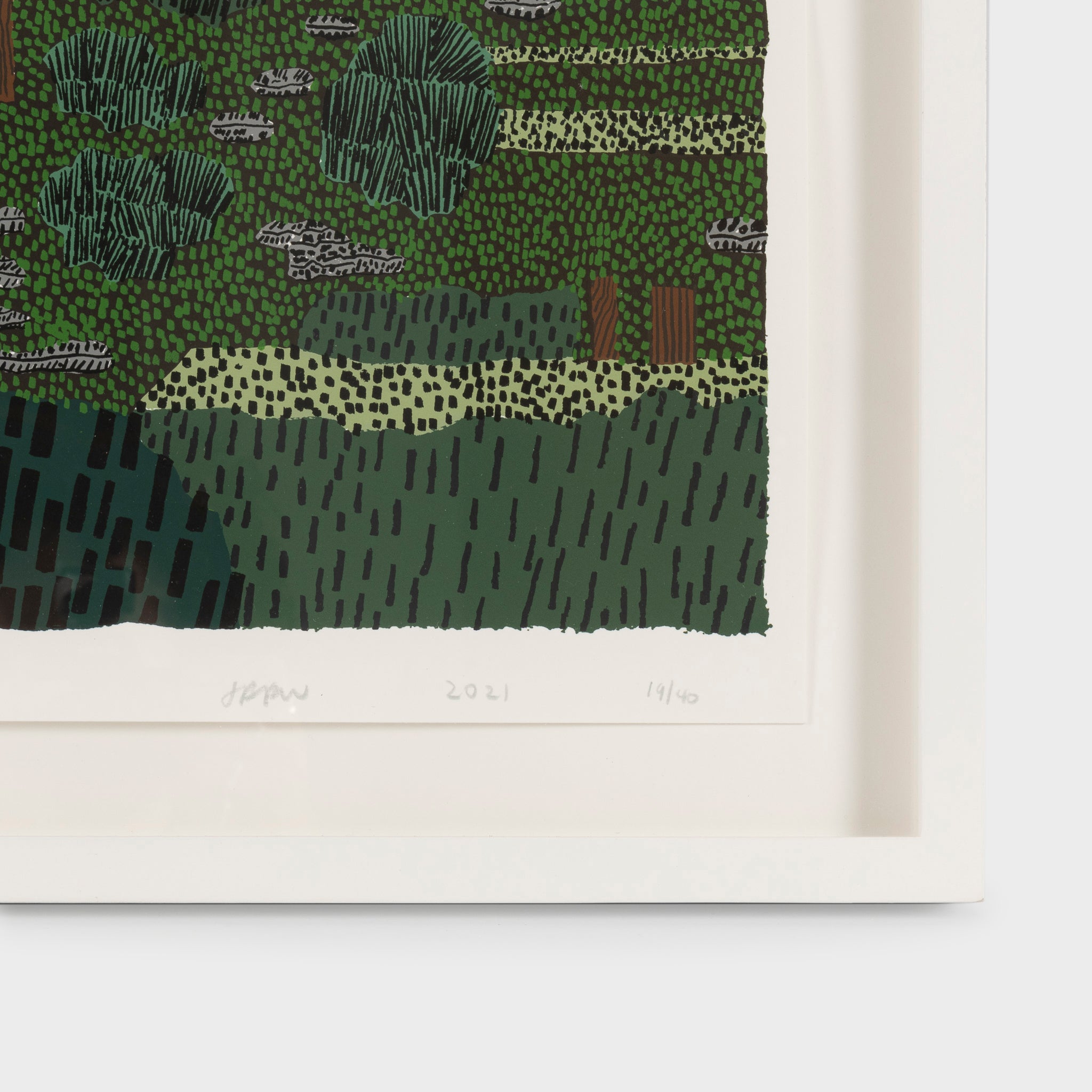
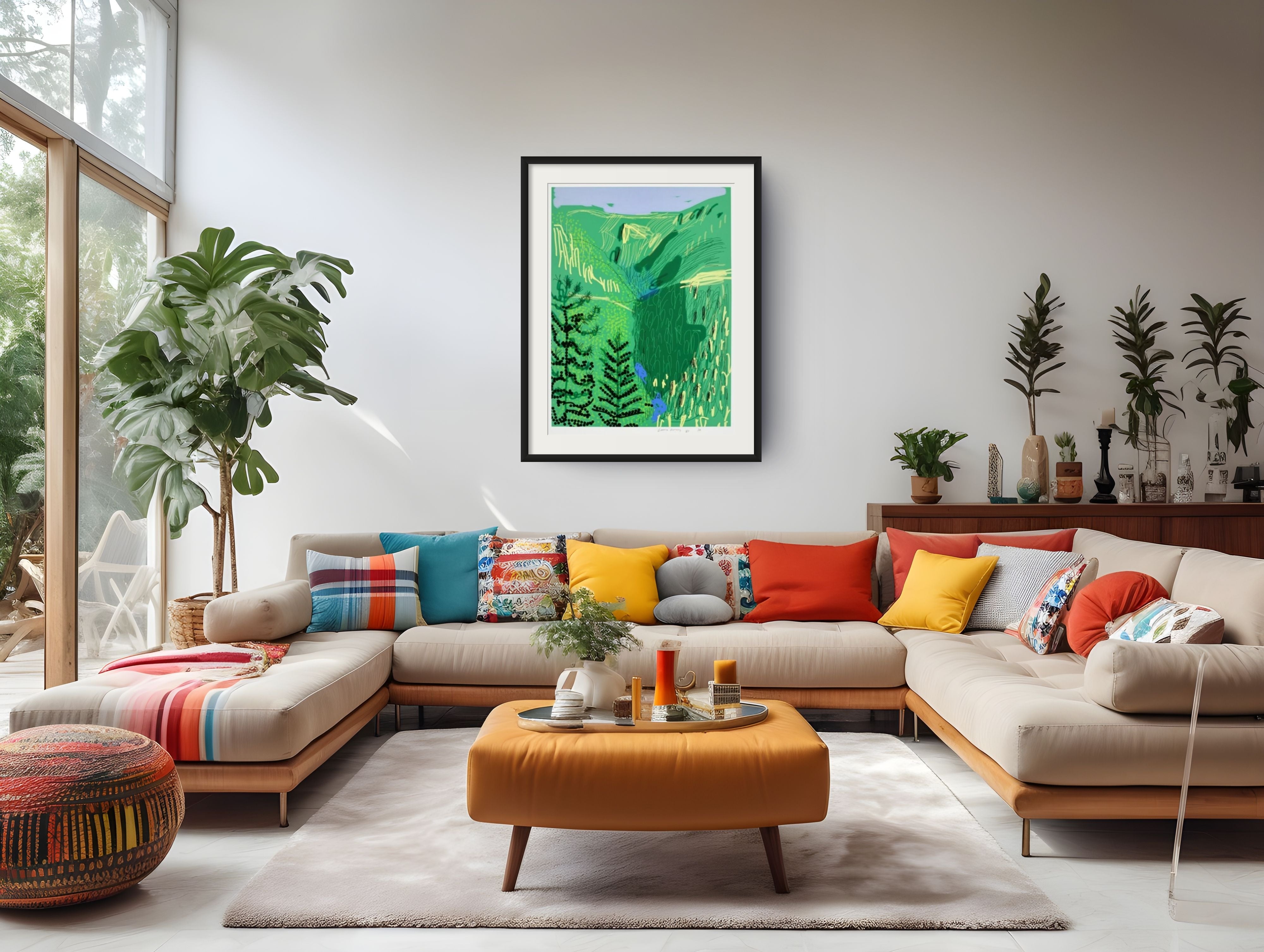
At the core of Hockney’s work is a sustained investigation into vision itself. His paintings of California swimming pools, domestic interiors, and later Yorkshire and Normandy landscapes are less straightforward depictions than structured studies of how light behaves and how perspective can be disrupted.
He repeatedly challenged the conventions of single-point perspective, instead building images that reflect the complexity of human sight—shifting, fragmented, and layered.
Expanding the language of painting
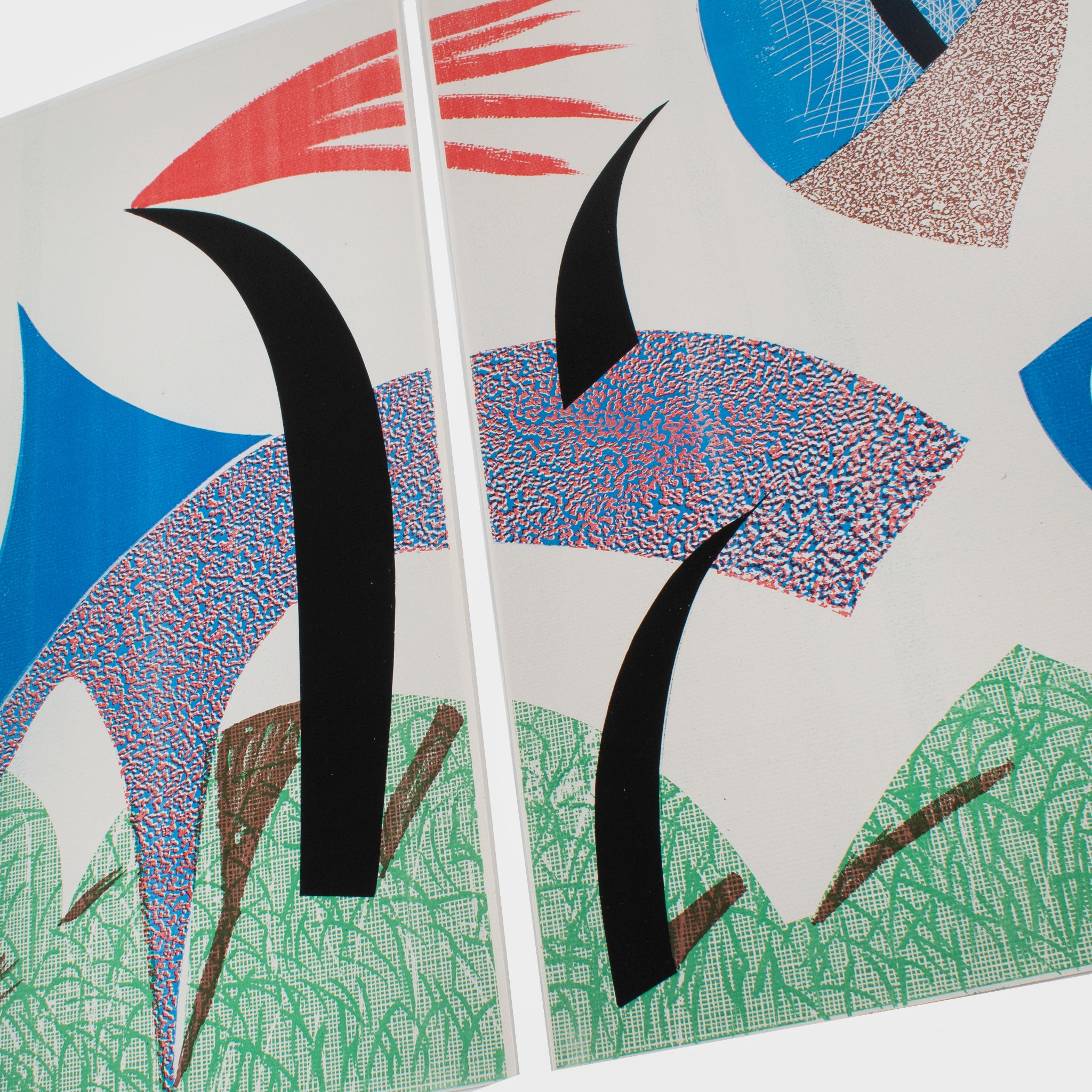
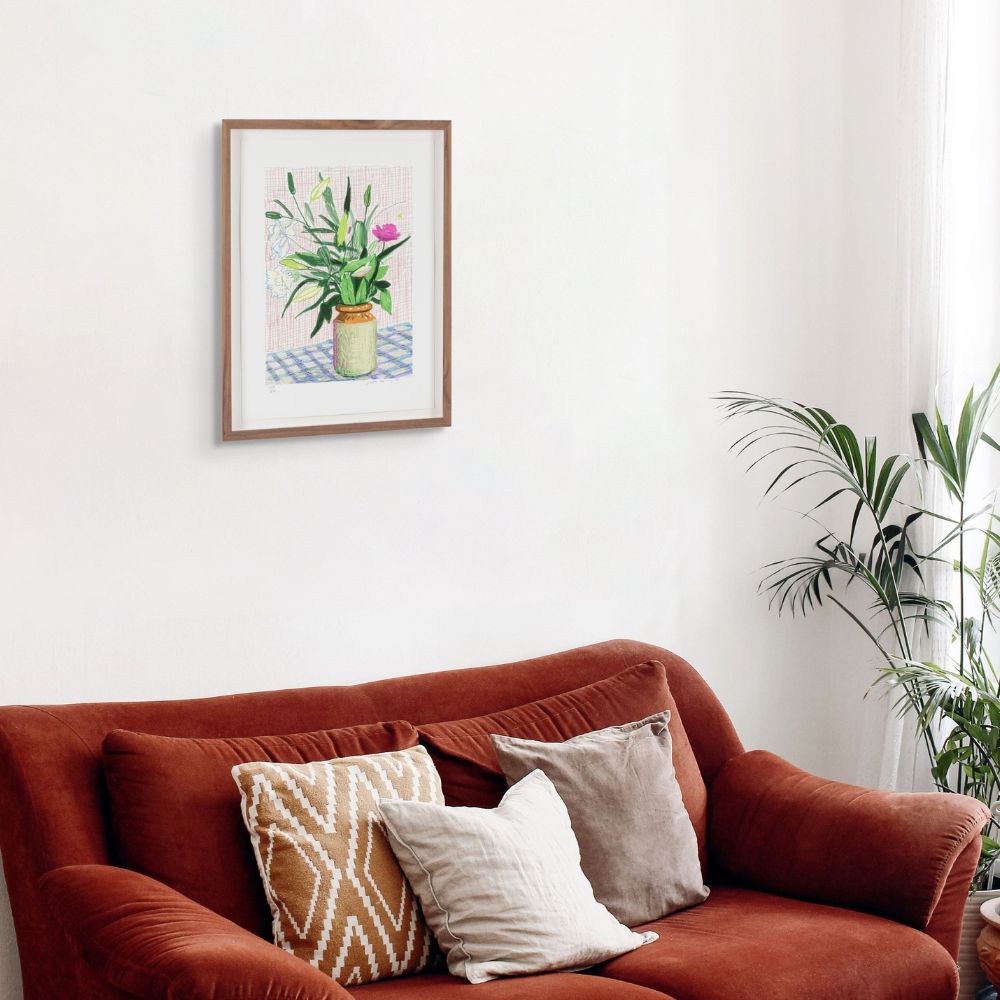
Hockney’s practice was marked by an unusual openness to new tools. Photography, collage, stage design, and later digital drawing all became part of his visual vocabulary.
Rather than treating these as departures from painting, he integrated them into it. In doing so, he expanded what painting could be, insisting it remain a living, adaptive form rather than a fixed tradition.
Portraiture and presence
Portraiture remained a constant throughout his career. His 2023 portrait of British creative Lola Clark, later included in a major survey at Fondation Louis Vuitton in Paris, reflects his enduring focus on individual presence.
Clark has described the experience of sitting for Hockney as one of being closely and attentively observed—an encounter that revealed his ability to capture not only likeness, but character and psychological immediacy.
A legacy that continues to unfold
Even at the height of international recognition, Hockney maintained an independent and exploratory approach to image-making. His work resists closure, continually returning to fundamental questions about how we see and what it means to represent the world honestly.
His death marks the end of a remarkable life in art, but not the end of the conversation his work initiated.
It remains, as ever, an invitation to look again.