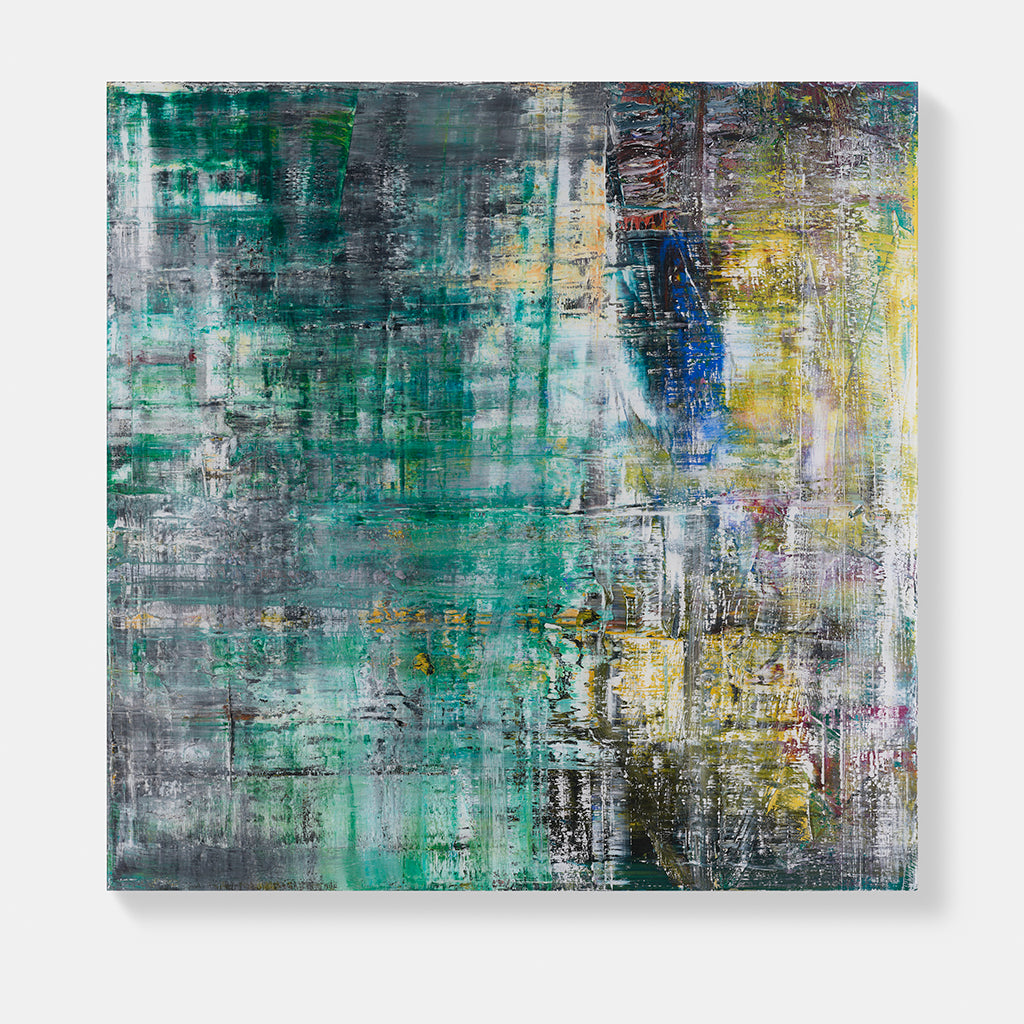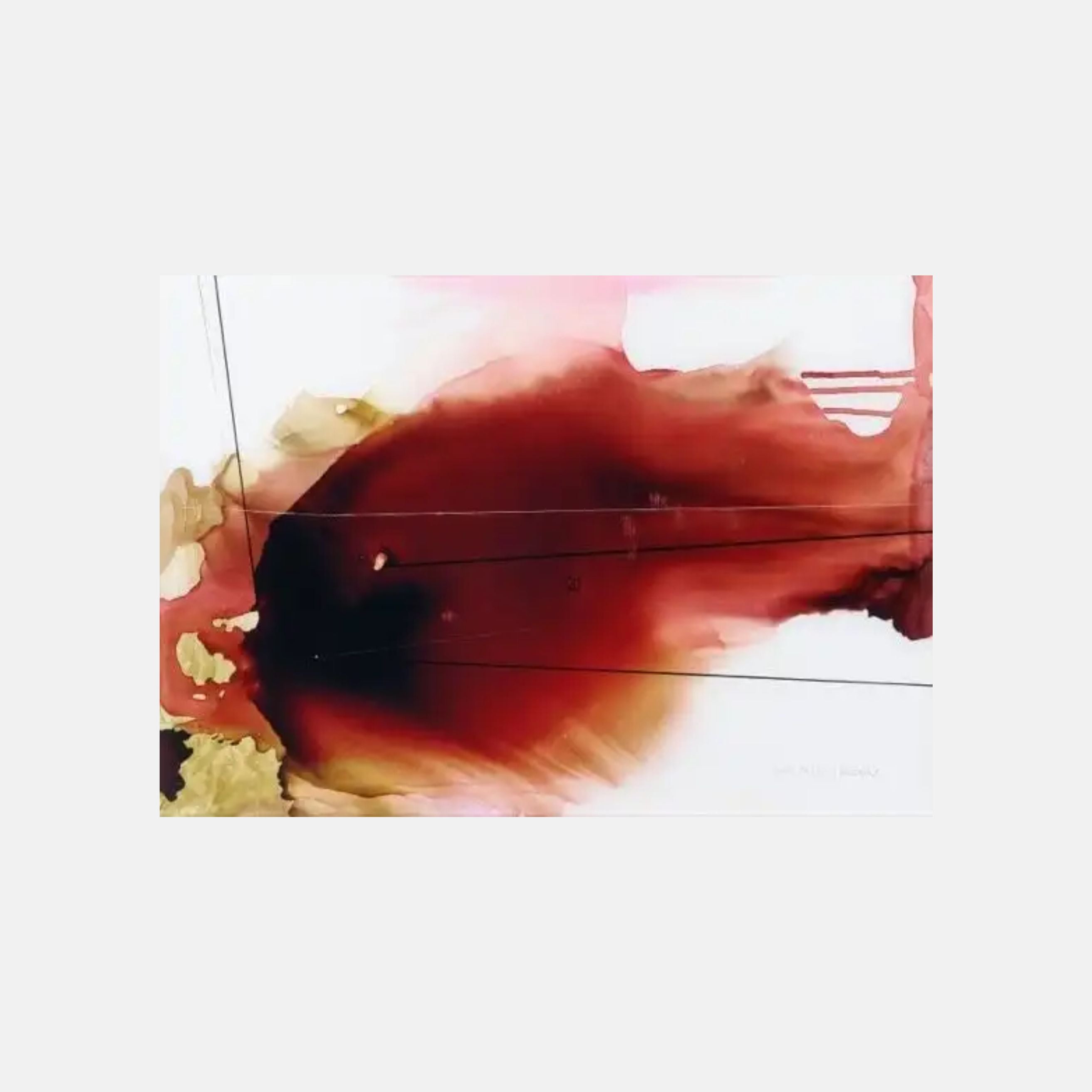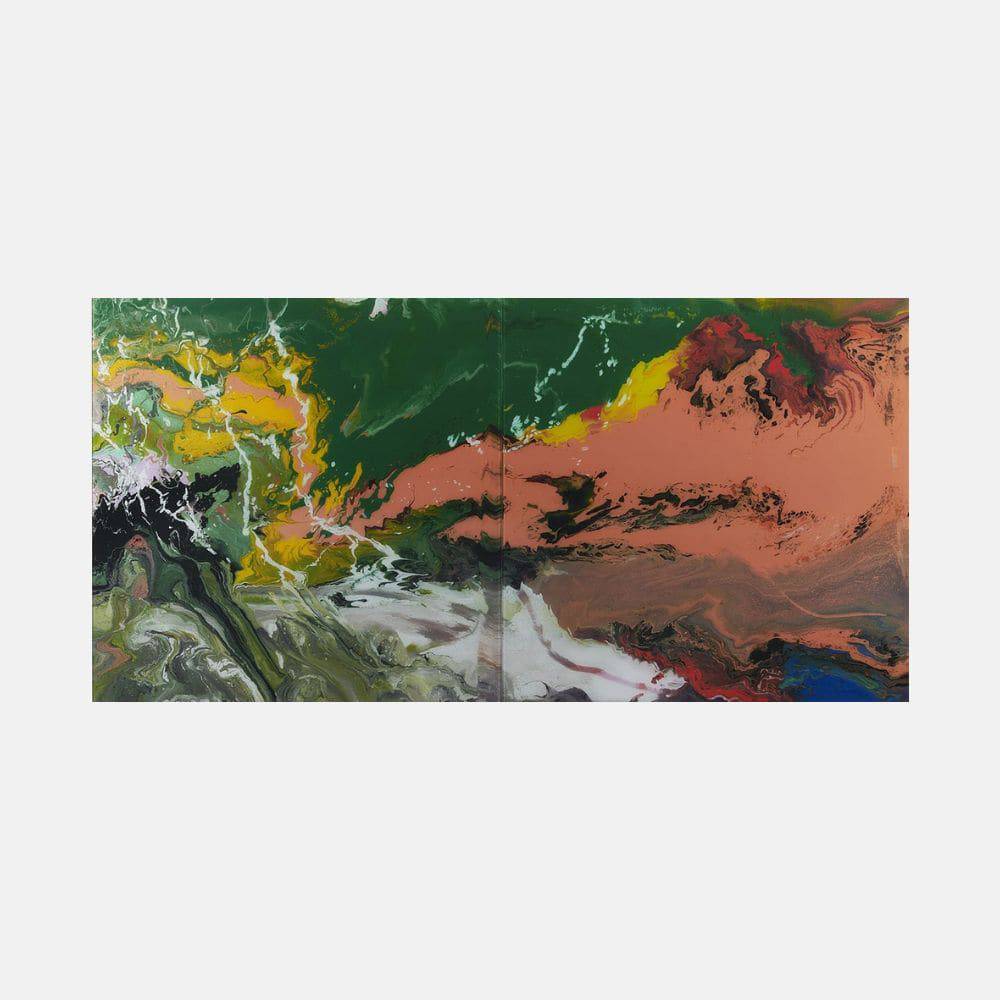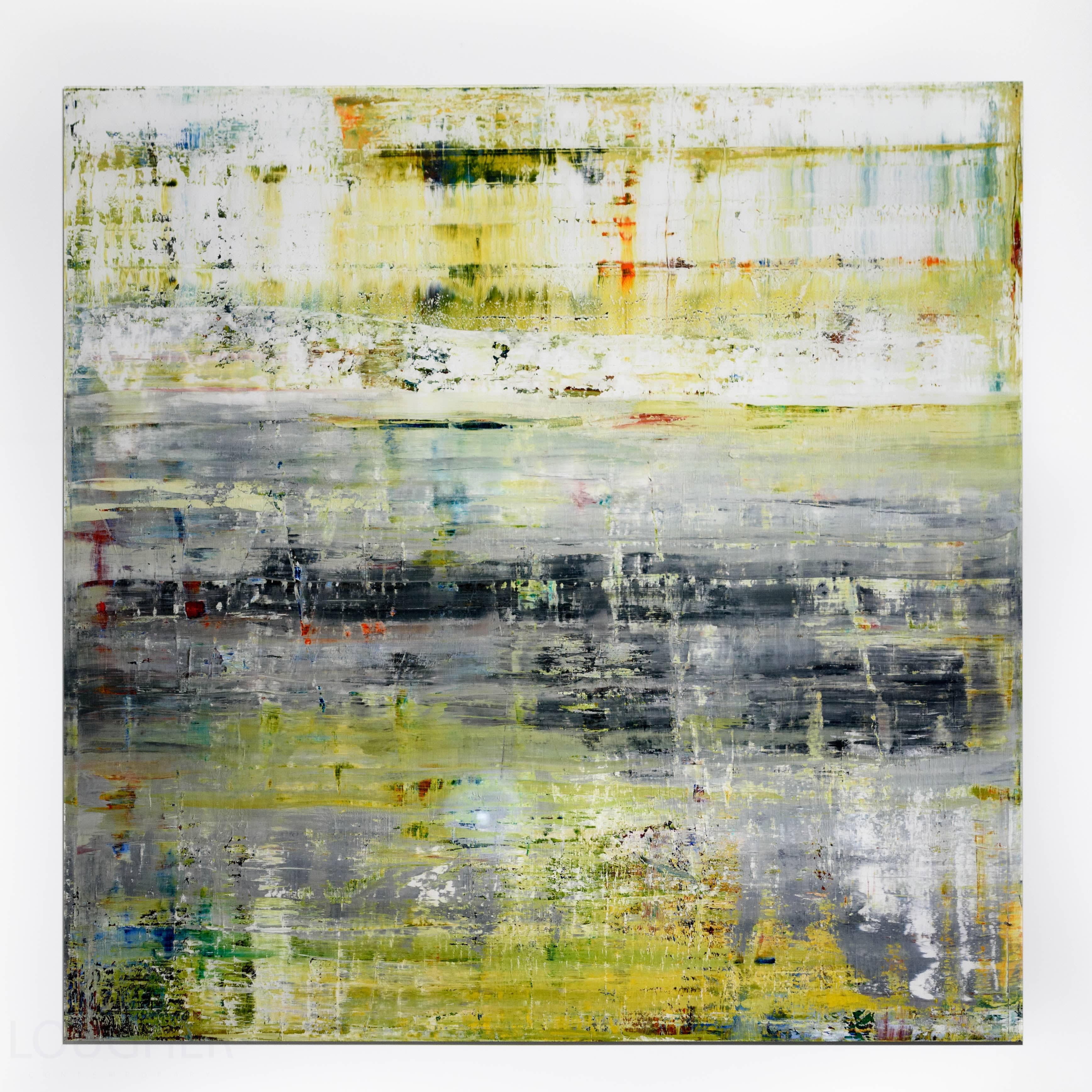

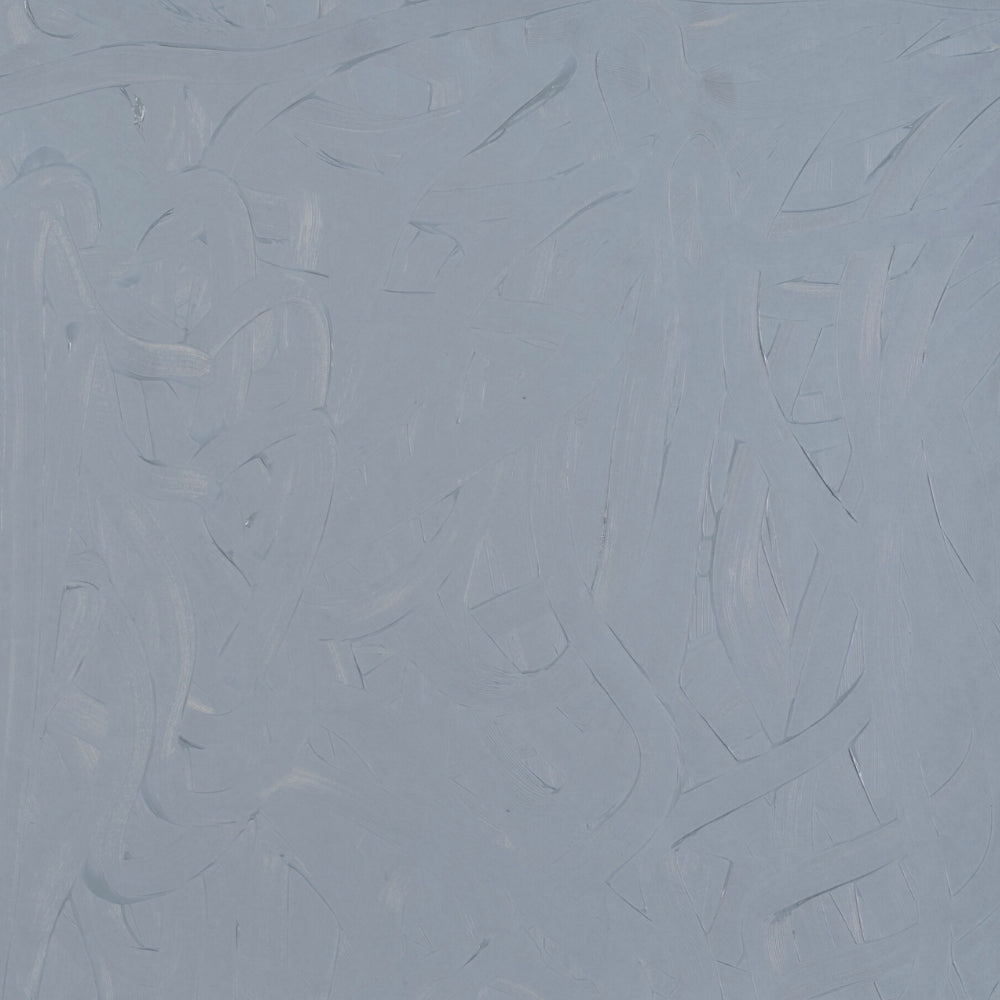
Gerhard Richter Vermalung (Grau) (Butin 37) 1971: Unique Limited Edition Artwork for Sale
About the Artwork
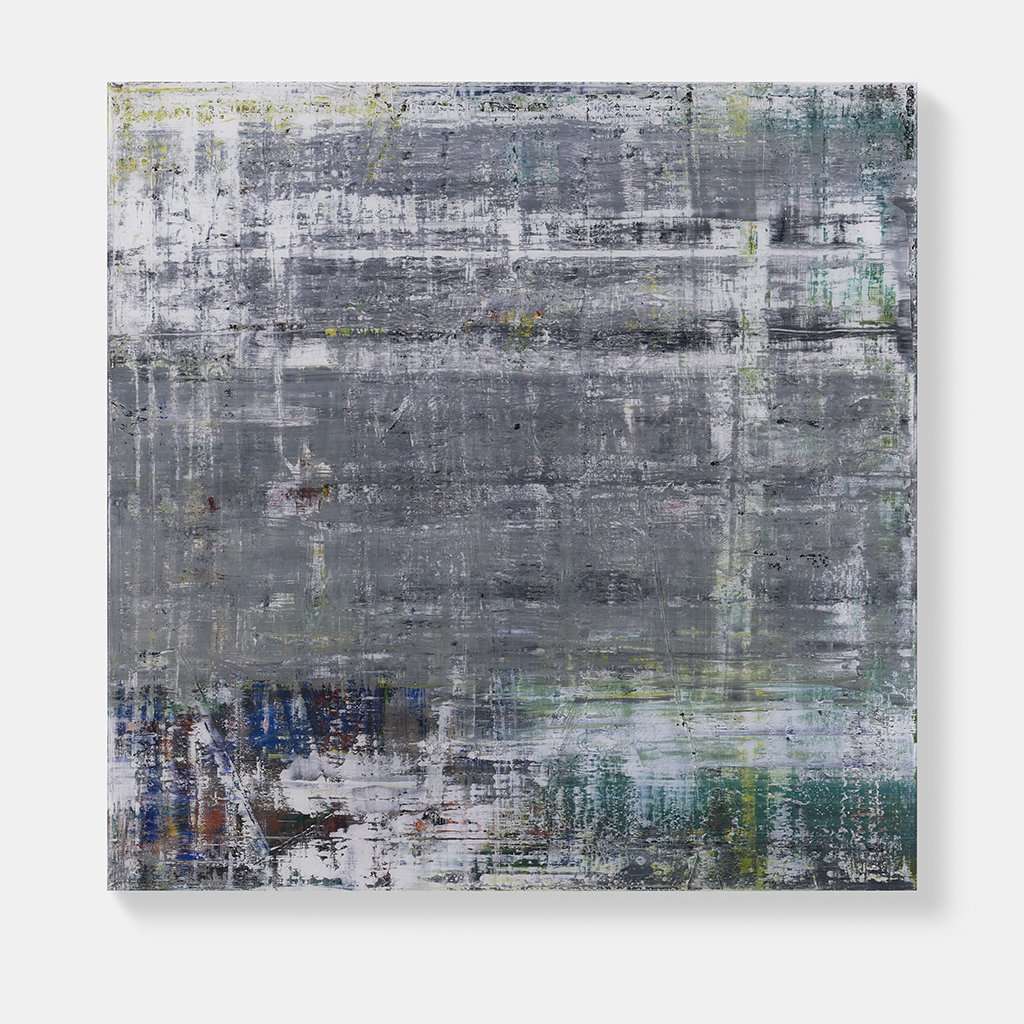
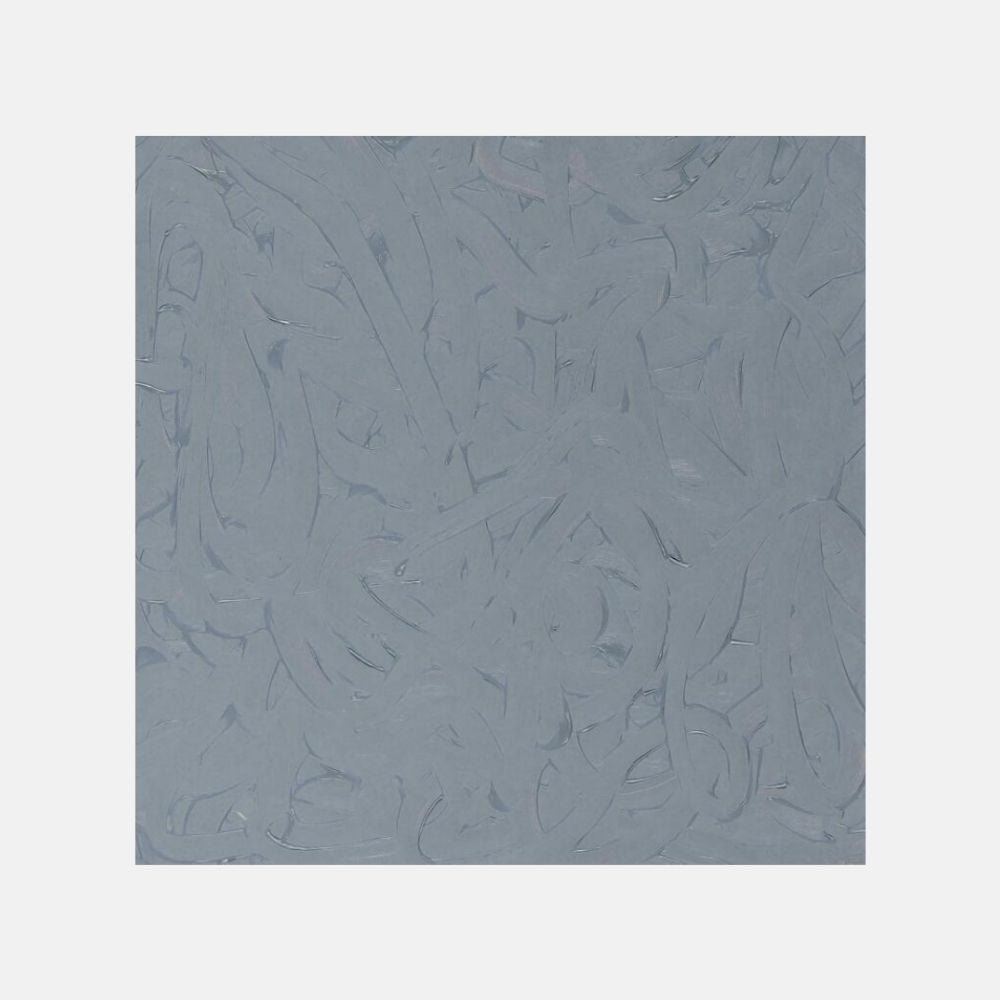
Gerhard Richter’s Vermalung (Grau) (Butin 37), executed in 1971, is a particularly compelling example of the artist’s early engagement with abstraction, monochrome painting and the physical possibilities of paint. Rather than a conventional print edition, this work belongs to an unusual group of 150 individually executed variants, each created by Richter through the direct application of grey oil paint with his finger onto synthetic paper.
The work offered here is number 8/150, signed in pencil, dated and numbered on the verso. Sotheby’s records the work as Vermalung (Grau) (Butin 37), executed in 1971, measuring 39.8 × 40 cm, and identifies it as one of 150 unique variants, of which 20 were destroyed. Sotheby’s also notes a separate edition of ten works numbered in Roman numerals.
This distinction is important for collectors. Although Vermalung (Grau) is commonly described as an edition, its individual sheets are not mechanically identical multiples. Richter physically intervened in every example. The movement of his finger through the wet oil paint produces a different configuration of marks on each sheet, giving every surviving work its own visual character.
The result is an artwork that sits between the categories of painting and edition. It has the accessibility and systematic structure of an edition, yet every individual sheet is an original act of painting. This tension is central to Richter’s practice and makes Vermalung (Grau) especially significant for collectors interested in Gerhard Richter artwork for sale, early abstract works and historically important artist editions.
The rarity is also greater than the headline edition number initially suggests. Of the 150 Arabic-numbered variants, 20 were deliberately destroyed, leaving 130 surviving works from that group. The deliberate destruction of part of the edition is an important aspect of its history and contributes to the scarcity of surviving examples.
The present work also has notable provenance: Sotheby’s records it as having come from The Collection of Barbara Gladstone, placing it within the collection of one of the most influential figures in contemporary art.
Artwork Description
At first glance, Vermalung (Grau) appears restrained. Richter reduces the visual vocabulary to a square sheet, synthetic paper and grey oil paint. Yet the apparent simplicity of the work conceals an intensely physical process.
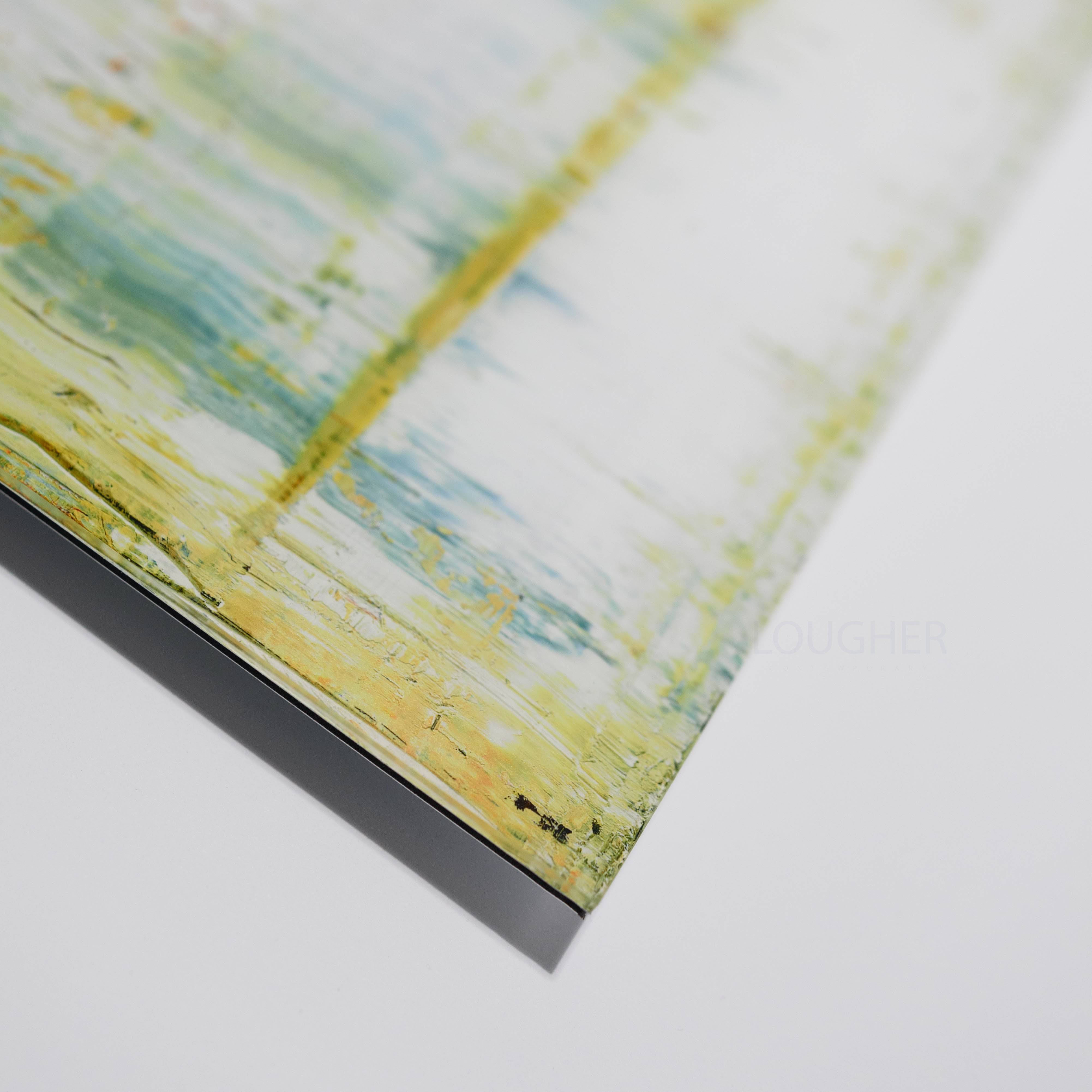
Richter applied the oil paint directly with his finger, dragging and manipulating the grey pigment across the synthetic surface. The resulting network of marks records the movement of the artist's hand. Rather than depicting an external subject, the image draws attention to the act of painting itself.
The finger-painted surface is therefore both image and evidence. Each movement leaves a visible trace, while the accumulation of these gestures creates a dense, interconnected structure across the sheet. Contemporary auction descriptions of other examples from the same group emphasise that the individual handling of the paint means every sheet differs from the others.
Grey is particularly significant within Richter's work of this period. During the early 1970s, the artist produced a sustained body of grey paintings and explored the colour's capacity to suppress illusion, narrative and conventional pictorial hierarchy. The National Galleries of Scotland notes that Richter experimented extensively with grey paintings during this period, investigating texture and brushwork alongside his wider interest in colour.
In Vermalung (Grau), however, the surface is not neutral in the sense of being inactive. The absence of chromatic variety places greater emphasis on texture, movement and the physical presence of the paint. The grey field becomes a record of gesture.
This makes the work especially interesting when considered alongside Richter's broader approach to abstraction. His later abstract paintings would become famous for their layers of paint and chance-driven effects, frequently manipulated with a squeegee. Vermalung (Grau) belongs to an earlier and more intimate stage of that investigation, where the artist's own hand is the principal instrument.
The medium is equally important. The use of oil, fingerpainted on synthetic paper gives the work a distinct physical identity. It should not be treated simply as a conventional limited edition print. Each sheet is an individually executed work, and the variations in the surface are intrinsic to its status.
About Gerhard Richter
Gerhard Richter occupies a central position in post-war European art. Born in Dresden in 1932, he studied in East Germany before moving to West Germany in the early 1960s and becoming associated with Düsseldorf's influential artistic environment. His practice has consistently challenged the distinction between representation and abstraction, painting and photography, mechanical reproduction and individual gesture.
Richter's career is notable precisely because it resists a single style. His work encompasses photo-based paintings, colour charts, monochrome works, abstract paintings, drawings, prints and experimental editions. The National Galleries of Scotland describes his practice as moving between photographic imagery, abstract painting and systematic investigations of colour and surface.
The early 1970s were an important period in this development. Richter was investigating how far painting could be reduced while remaining materially and visually compelling. His grey paintings are particularly relevant to this enquiry. The Van Abbemuseum describes Richter's grey works as an exploration of painting as surface, with grey functioning as a neutral colour that minimises illusion and narrative.
Vermalung (Grau) can therefore be understood as part of Richter's broader interrogation of what a painting can be. The work does not depend upon an identifiable image. Instead, its subject is the physical process of making: paint, surface, movement and chance.
Its position within Richter's editions is equally important. The group is described in auction literature as a series of unique works, despite its edition structure. Christie's records another Vermalung (grau) as one of 150 unique examples, with 20 destroyed, while another Christie's catalogue entry records the additional ten Roman-numbered examples.
The work is also represented institutionally. The Museum of Modern Art holds a 1971 Inpainting (Grey) (Vermalung [grau]) in its collection, identifying the medium as oil on paper, the publisher as Gerhard Richter and the edition as 150.
This institutional presence reinforces the significance of the Vermalung (Grau) project within Richter's wider history of experimentation.
Why Collect This Work
An important early Richter work: Executed in 1971, Vermalung (Grau) belongs to a formative period in Richter's investigation of abstraction, monochrome painting and surface.
Every example is visually unique: The oil paint was applied by Richter's finger, meaning the configuration of marks differs from sheet to sheet.
Greater rarity than the edition number suggests: Twenty of the 150 Arabic-numbered works were destroyed, leaving 130 surviving variants from that group.
A distinctive position between painting and edition: Rather than a standard mechanically reproduced print, each work is an individually executed painting within an edition structure.
Significant institutional context: A 1971 Inpainting (Grey) (Vermalung [grau]) is held by The Museum of Modern Art.
Strong auction history: Examples from the series have appeared repeatedly at major international auction houses, demonstrating sustained secondary-market visibility.
Notable provenance: The present work was formerly in The Collection of Barbara Gladstone, as recorded by Sotheby's.
Part of Richter's wider grey-painting enquiry: The work connects directly with his early-1970s investigation of grey as a means of reducing illusion and focusing attention on painting's material surface.
The Market for Gerhard Richter Artworks
Gerhard Richter remains one of the most closely followed artists in the international contemporary art market, with demand spanning unique paintings, photographs, works on paper and editions. His market is unusual in that works produced through edition structures can nevertheless have highly individual physical characteristics.
The Vermalung (Grau) works demonstrate this particularly clearly. Auction records show repeated appearances of examples from the 150-variant group. Christie's has catalogued multiple individual examples, including works numbered 42/150, 64/150 and 137/150, while Dorotheum sold another example, numbered 110/150, for €58,500 in May 2023, against an estimate of €40,000–€60,000.
The Sotheby's example offered here was estimated at $30,000–$50,000 in its June 2026 Art & Design from The Collection of Barbara Gladstone auction.
These results should not be interpreted as a single fixed market value for every Vermalung (Grau). Individual works can differ in condition, provenance, composition and number, and auction estimates and realised prices naturally vary. What they do demonstrate is the continued presence of this early Richter series within the international secondary market.
For collectors, the strongest point of differentiation is the combination of date, rarity and individuality. The surviving works are not interchangeable reproductions. Each records a separate sequence of Richter's hand-painted gestures. Number 8/150 therefore represents a specific surviving manifestation of the 1971 project rather than simply one of many identical impressions.
The Barbara Gladstone provenance adds another layer of distinction. Sotheby's identifies the work as having come directly from The Collection of Barbara Gladstone, an important name in the development and presentation of contemporary art.
For collectors searching for a Gerhard Richter limited edition, Gerhard Richter artwork for sale or an early example of Richter's abstract practice, Vermalung (Grau) offers a particularly unusual proposition: a work with editioned provenance and catalogue structure, but with the material individuality of an original painting.
Artwork Details
Artist: Gerhard Richter
Title: Vermalung (Grau) (Butin 37)
English title: Inpainting (Grey)
Year: 1971
Medium: Oil, fingerpainted on synthetic paper
Dimensions: 39.8 × 40 cm (15 ⅝ × 15 ⅝ in.)
Edition: 8/150
Edition structure: 150 unique variants; 20 destroyed; additional edition of 10 numbered in Roman numerals
Signature: Signed in pencil, dated and numbered on the verso
Publisher: The artist
Catalogue reference: Butin 37, as identified by Sotheby's
Provenance: The Collection of Barbara Gladstone
Sotheby's confirms the edition number, medium, dimensions, date and provenance for the present work.
Availability at Lougher Contemporary
Vermalung (Grau) (Butin 37) represents an unusually scarce opportunity to acquire an early Gerhard Richter work in which the boundaries between painting and edition are deliberately blurred. Its 1971 date, finger-painted surface, surviving edition size and provenance from The Collection of Barbara Gladstone make it particularly relevant to collectors seeking historically significant Gerhard Richter artwork for sale.
For collectors exploring Richter's wider practice, Lougher Contemporary's Gerhard Richter collection provides a broader point of entry into the artist's works and editions.
For acquisition enquiries, Vermalung (Grau) (Butin 37) should be considered in the context of Richter's broader edition practice and the limited number of surviving examples from this particular 1971 project.
Start Collecting Gerhard Richter