





How to Start an Art Collection: A Guide to the Secondary Art Market
Starting an art collection can feel both exciting and uncertain. Whether you are discovering the art world for the first time or looking to refine an existing collection, understanding how the market works is the first step towards making confident and informed decisions.
This guide introduces the essentials of collecting art, with a focus on the secondary art market, offering a clear and accessible starting point for collectors at every stage.
What Does It Mean to Start an Art Collection?
An art collection is not defined by scale or value, but by intention. Collecting art is about developing a personal point of view, acquiring works that resonate with you, and building a body of work over time.
For some, collecting begins with a single piece that holds emotional or visual appeal. For others, it may be driven by a desire to engage with art history, support artists, or invest in cultural assets. There is no single correct approach, and your collecting journey will evolve as your knowledge and confidence grow.
Understanding the Secondary Art Market
A key part of learning how to start an art collection is understanding the structure of the art market. Broadly, the market is divided into two areas: primary and secondary.
The primary market refers to works sold for the first time, usually through galleries representing living artists. The secondary art market, by contrast, involves works that have been previously owned and are being resold. This includes pieces by both established and historically significant artists, as well as contemporary names with an active resale market.
The secondary market offers several advantages for collectors:
• Greater transparency around pricing and past sales
• Access to sought after works that may no longer be available through primary galleries
• A clearer sense of an artist’s market performance over time
Working with a specialist in the secondary art market can provide valuable insight into provenance, authenticity, and fair market value, helping collectors navigate opportunities with confidence.
Defining Your Approach to Collecting Art
When starting an art collection, it is helpful to consider what draws you to certain works. This might include:
• A particular artist or movement
• Mediums such as prints, paintings, or sculpture
• Themes, colours, or conceptual ideas
• Investment potential and market growth
There is no need to define your approach too rigidly at the outset. Many collectors begin with instinct and refine their focus over time. What matters most is developing an eye and building confidence in your own taste.
Why Research Matters
Education is central to building a meaningful and valuable art collection. Spending time researching artists, exhibitions, and market trends will allow you to make informed decisions and avoid common pitfalls.
Key areas to consider include:
• Artist background and career trajectory
• Exhibition history and institutional recognition
• Provenance and condition of individual works
• Auction results and private sale activity
A trusted secondary market dealer can support this process by offering tailored advice, market insight, and access to works that align with your collecting goals.

Prints and Editions as an Entry Point
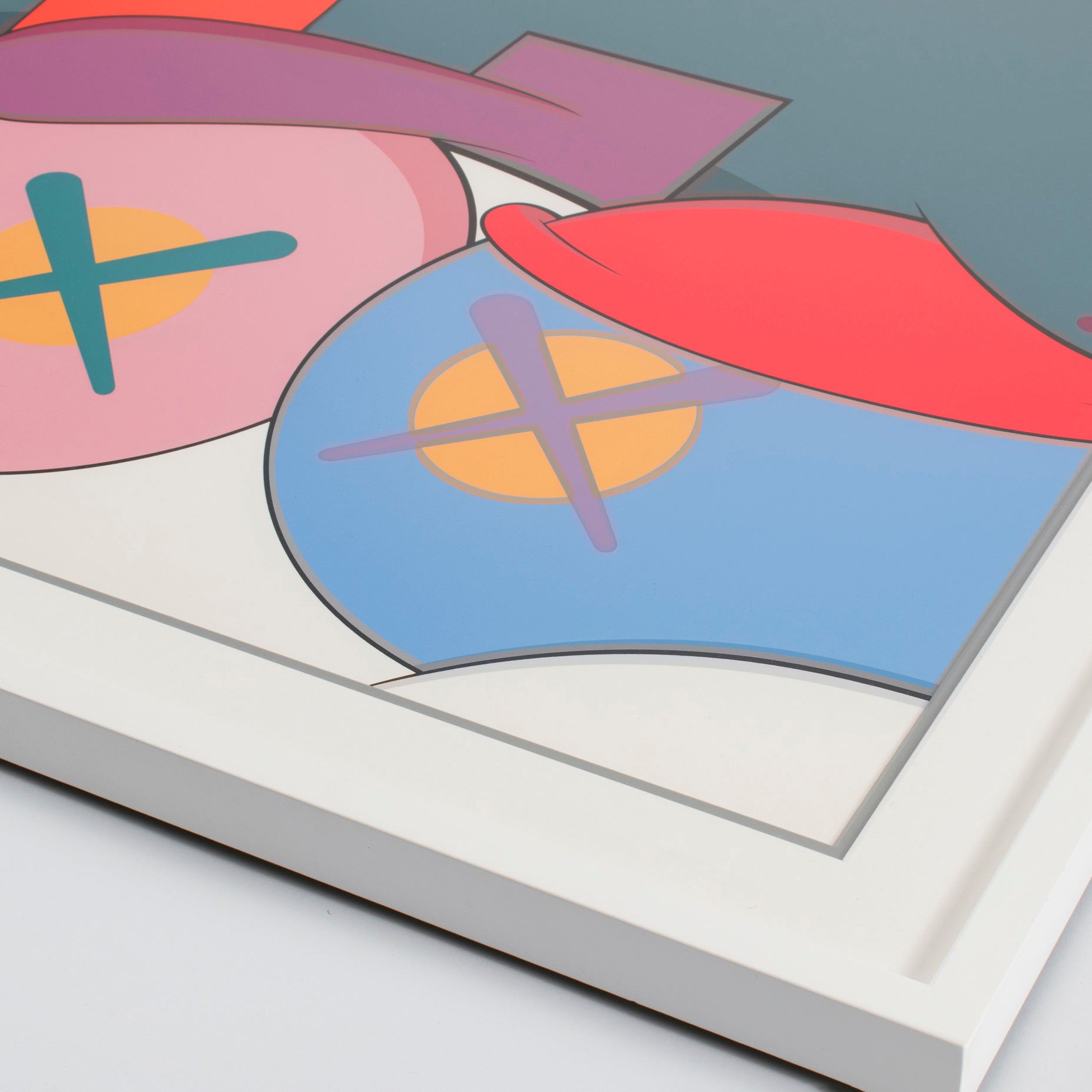
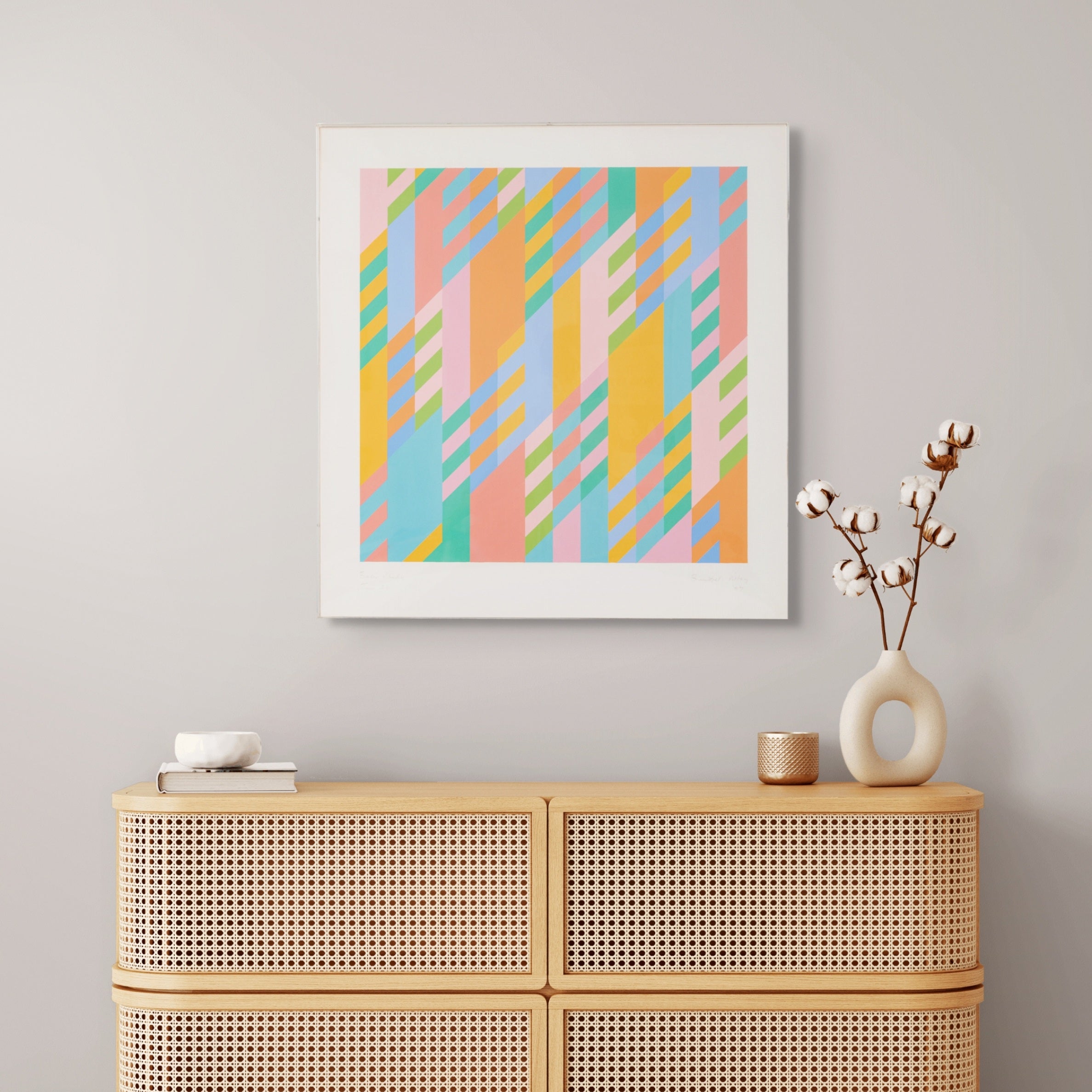
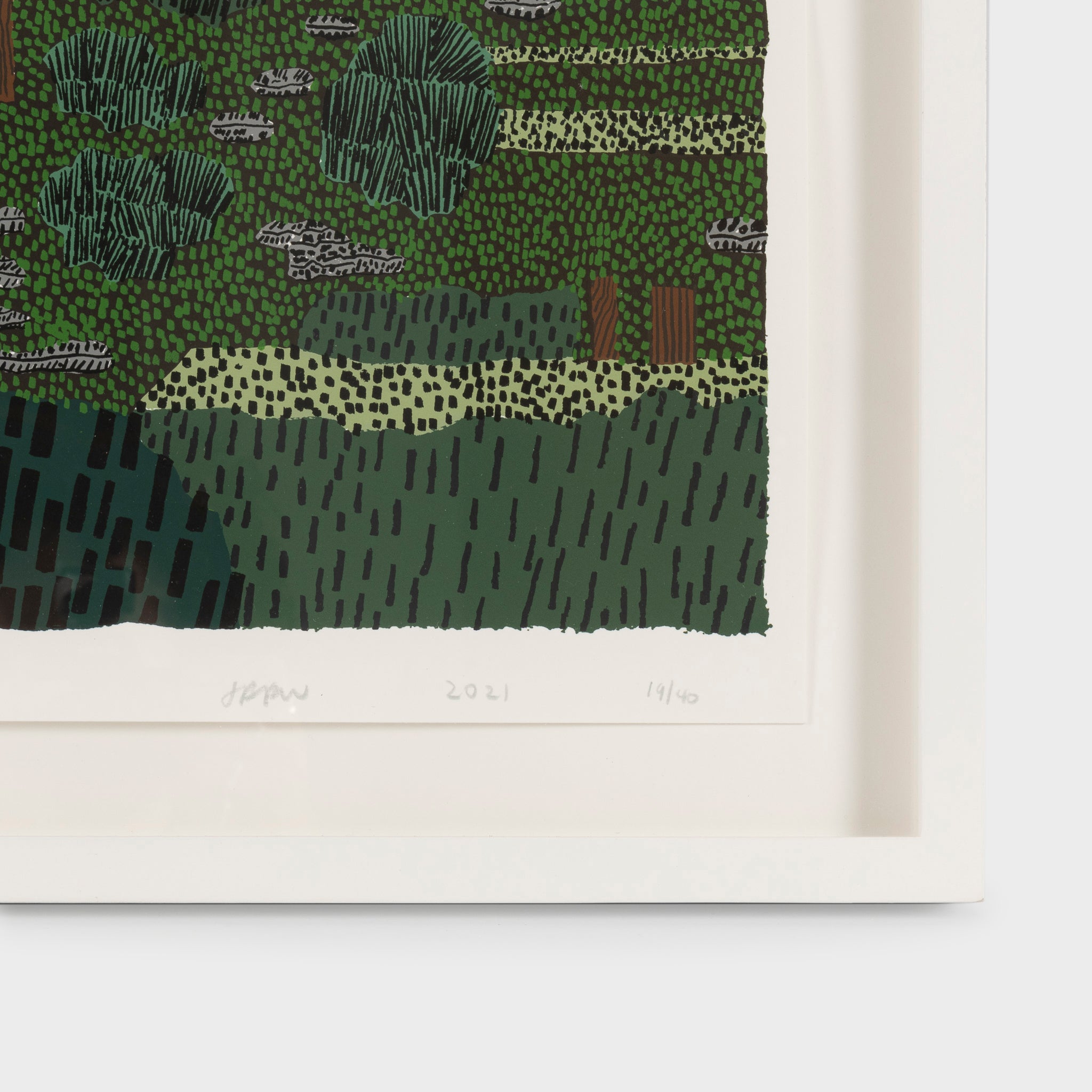
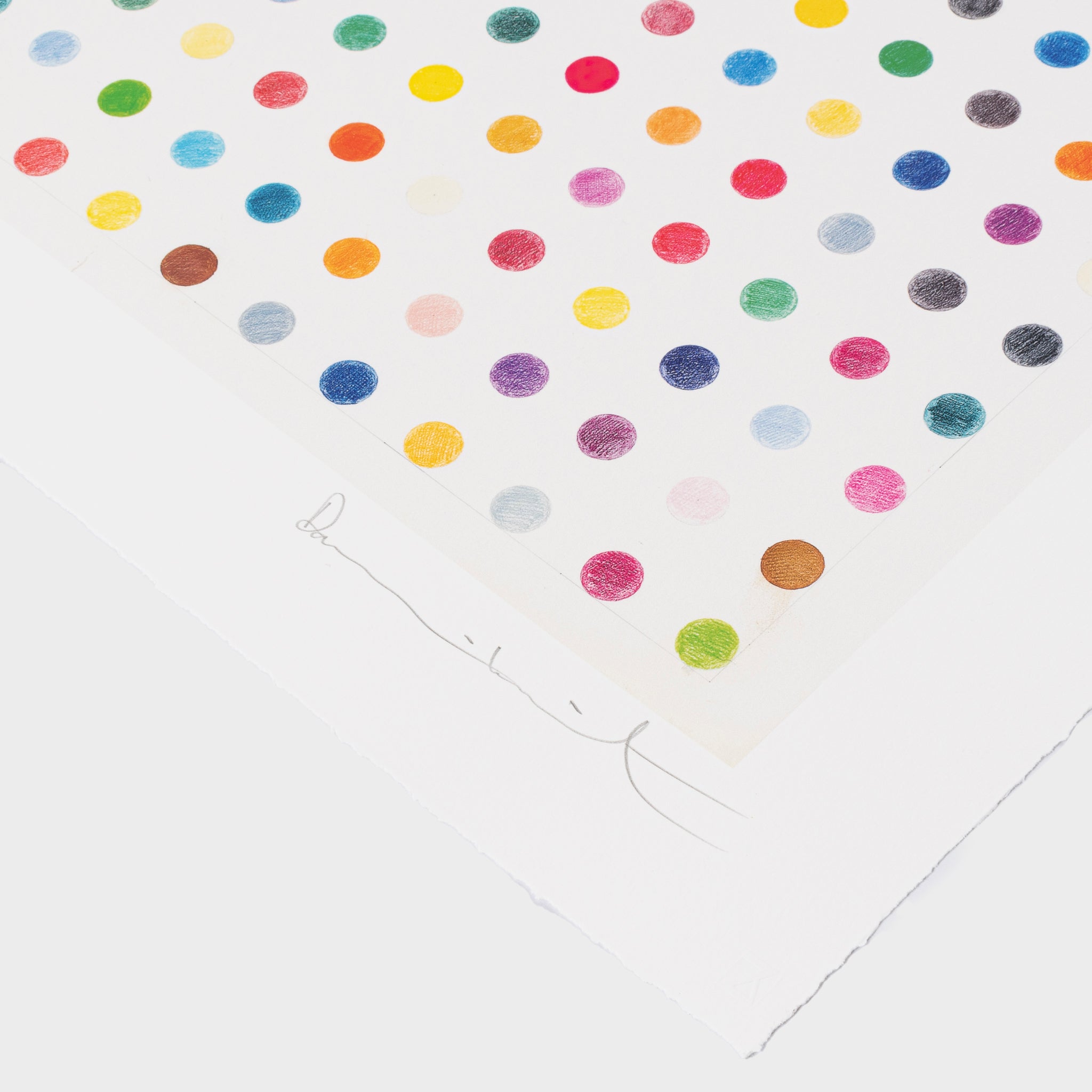
For many collectors, prints and editions provide an accessible way to begin. These works are often more attainable than unique pieces while still offering strong connections to leading artists.
Limited editions, in particular, can hold significant appeal. Their value is often influenced by factors such as edition size, rarity, condition, and demand. Understanding these elements can help collectors identify opportunities within the market.
Building Confidence in the Buying Process
One of the most common concerns for new collectors is knowing when to make a purchase. Confidence comes with knowledge, but also with the right guidance.
Before acquiring a work, consider:
• Does the piece align with your interests and long term goals?
• Is the price supported by market data and comparable sales?
• Has the work been authenticated and properly documented?
Taking a considered approach will help ensure that each acquisition contributes meaningfully to your collection.

The Role of a Secondary Market Specialist
Navigating the art market alone can be challenging, particularly as collections grow in value and complexity. A specialist secondary market dealer offers expertise that extends beyond individual transactions.
This includes:
• Sourcing works that are not publicly available
• Advising on timing and pricing when buying or selling
• Providing insight into market trends and artist performance
• Ensuring due diligence across authenticity and provenance
By working closely with collectors, a trusted advisor can help shape a collection with clarity and purpose.
Starting Your Collecting Journey
There is no perfect moment to begin collecting art. The most important step is to start with curiosity and openness, allowing your interests to guide you while building knowledge along the way.
Whether you are acquiring your first work or expanding an established collection, the secondary art market offers a dynamic and rewarding space to explore. With the right support, collecting can become both a deeply personal pursuit and a considered long term investment.
At Lougher, we combine market expertise with a tailored and discreet approach, supporting collectors at every stage of their journey. From initial guidance to strategic acquisitions and sales, we are here to help you navigate the art market with confidence, just get in touch with the team today.