














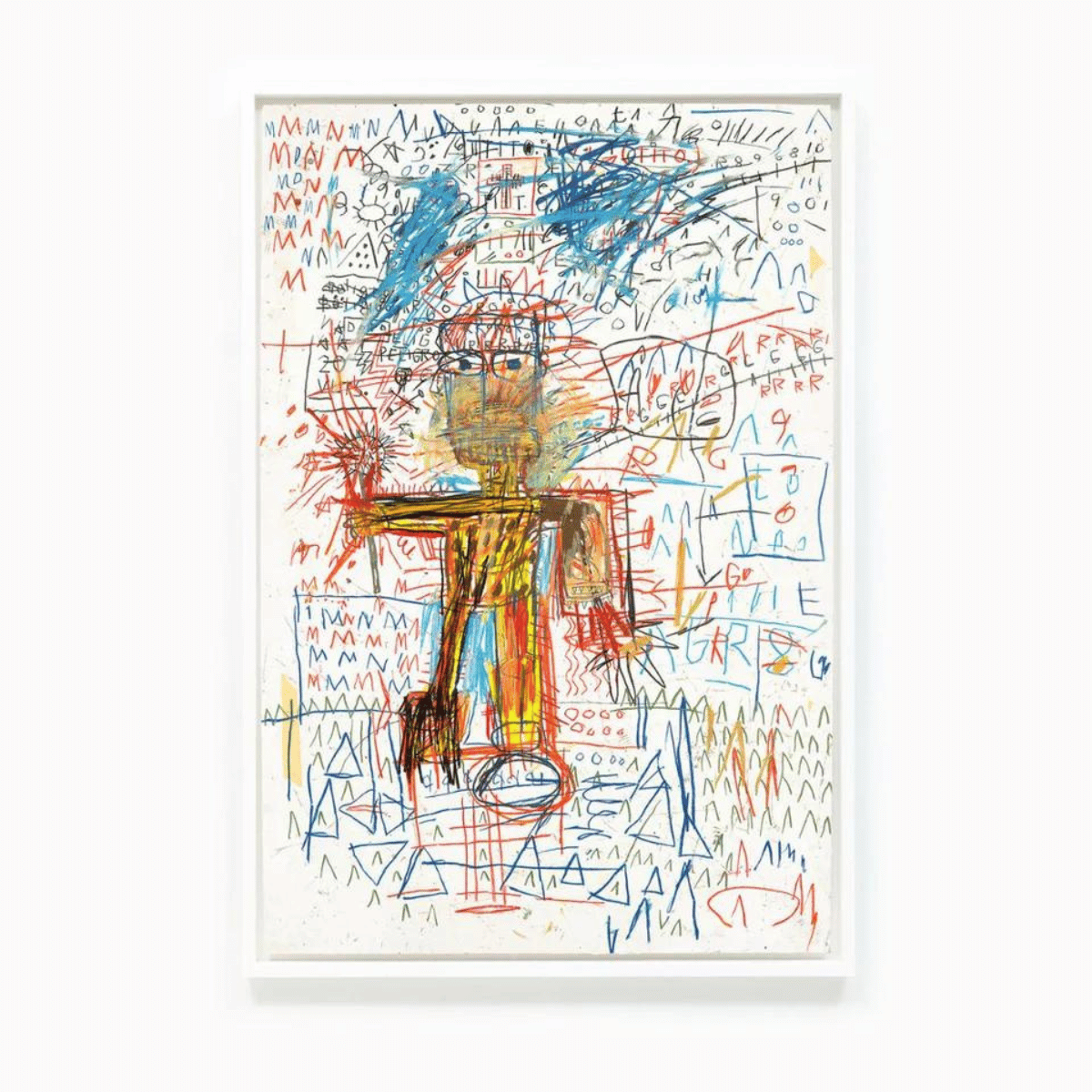

Jasper Johns' Night Driver at Guggenheim Bilbao: A Landmark Retrospective of One of Contemporary Art's Most Influential Artists
The Guggenheim Bilbao is currently presenting Jasper Johns: Night Driver, a major retrospective that offers a rare opportunity to explore the work of one of the most important artists of the post war era. Running from 29 May to 12 October 2026, the exhibition brings together works spanning more than seven decades, tracing Johns' remarkable influence on contemporary art and his enduring relevance to collectors today.
For anyone interested in modern and contemporary art, the exhibition is an essential visit. It not only highlights the breadth of Johns' artistic achievement but also reaffirms why his work remains among the most sought after in the international art market.
Who Is Jasper Johns?
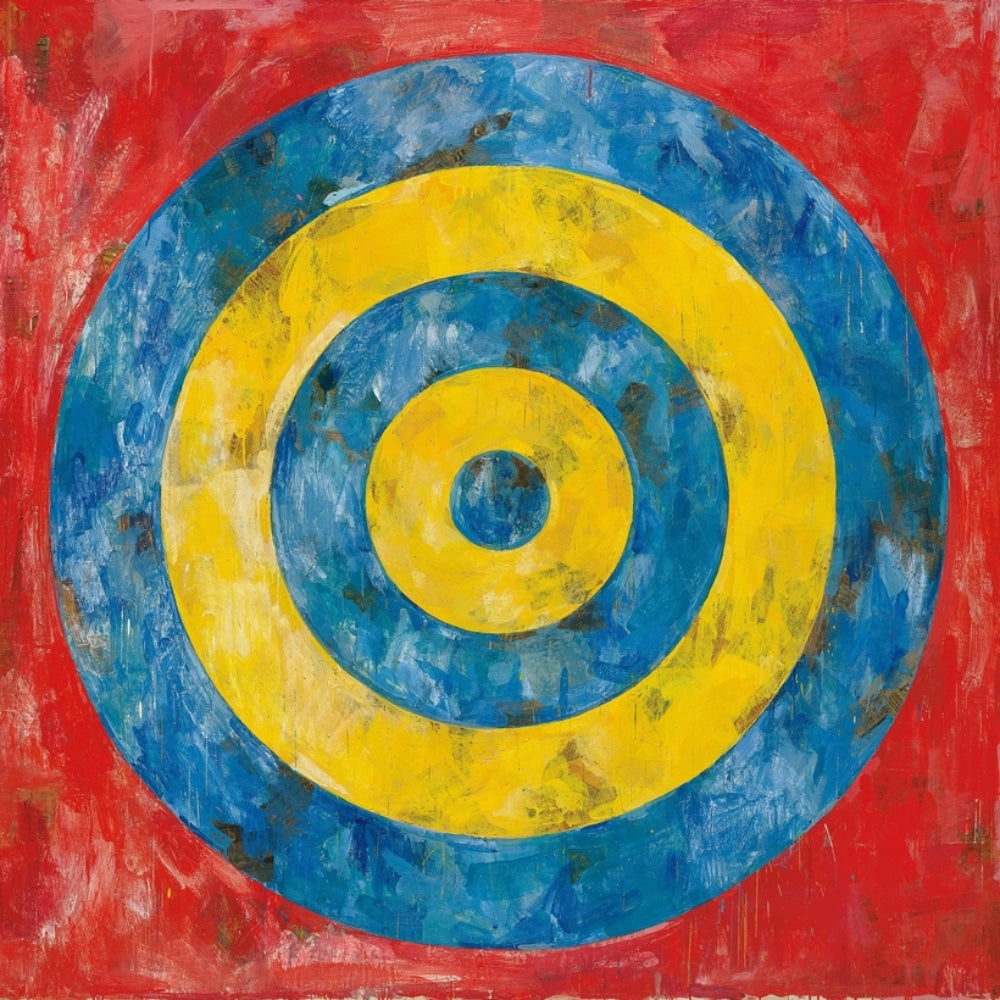
Few artists have shaped the course of contemporary art as profoundly as Jasper Johns. Emerging in New York during the 1950s, Johns challenged the dominance of Abstract Expressionism by turning his attention towards familiar images and symbols. His now iconic depictions of flags, targets, numbers, maps and letters transformed everyday imagery into complex investigations of perception, meaning and representation.
Rather than presenting recognisable symbols as straightforward subjects, Johns used them as vehicles for experimentation. His innovative use of encaustic, layered surfaces and recurring motifs encouraged viewers to question how images function and how meaning is constructed.
His work helped pave the way for Pop Art, Minimalism and Conceptual Art, influencing generations of artists while maintaining a distinctive visual language entirely his own.
Jasper Johns: Night Driver at Guggenheim Bilbao
Curated by Enrique Juncosa, Jasper Johns: Night Driver presents a comprehensive survey of the artist's career, featuring paintings, sculptures, drawings, prints and works on paper from major public and private collections around the world. The exhibition spans from the artist's breakthrough works of the 1950s through to works created in the twenty first century.
Visitors encounter many of Johns' most celebrated motifs, including flags, targets, maps and numbers, alongside later works that reveal a more introspective and personal dimension to his practice. The exhibition explores how his imagery evolved over time, moving from the cool clarity of his early works towards compositions that incorporate memory, autobiography and references to art history.
With approximately 140 works on display, the retrospective demonstrates the remarkable consistency of Johns' intellectual curiosity while revealing the breadth of experimentation that has defined his career.
Key Themes in the Exhibition
Symbols and Shared Visual Language
One of the defining aspects of Jasper Johns' work is his use of universally recognisable symbols. Flags, numbers and targets are images that viewers already know before encountering the artwork. By presenting familiar forms in unexpected ways, Johns invites us to reconsider how we see and interpret visual information.
These works remain among the most significant examples of post war art, bridging the gap between abstraction and representation.
Surface, Material and Process
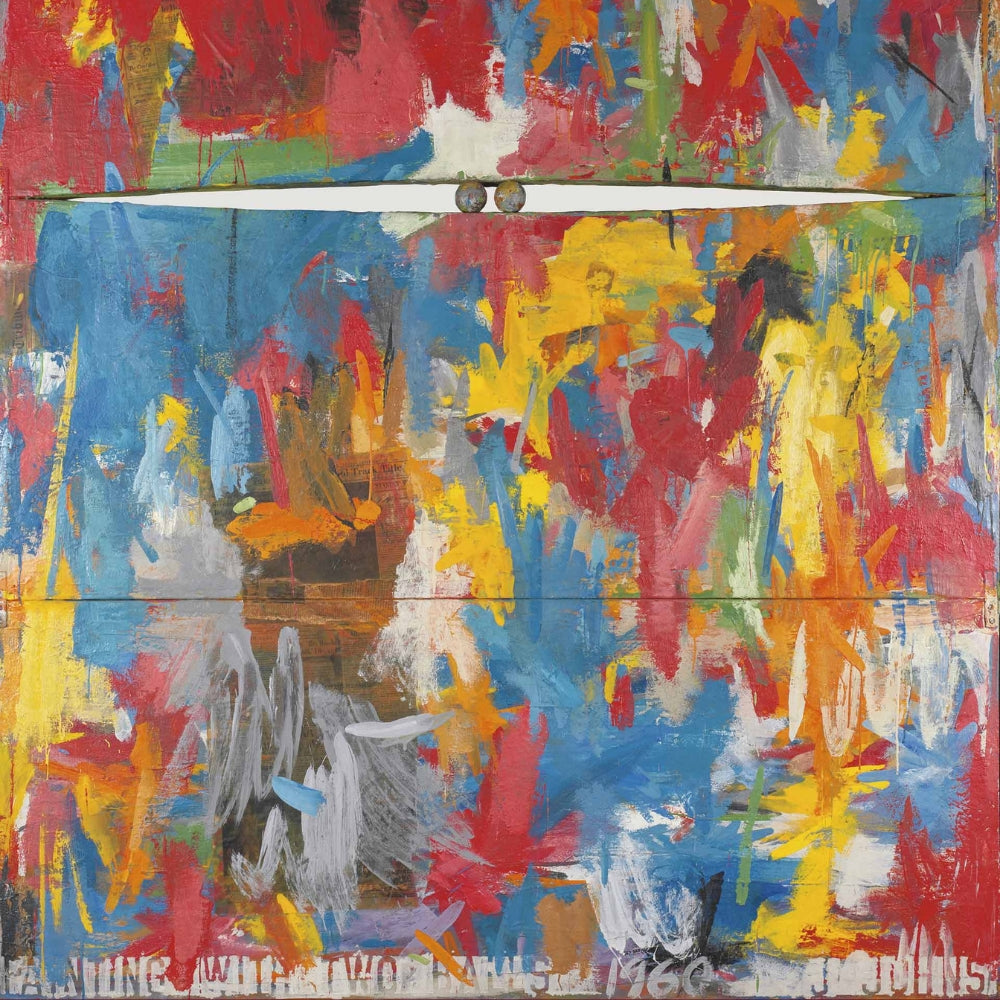
Throughout his career, Johns has been fascinated by the physical act of making art. Thick layers of encaustic, collage elements and richly textured surfaces draw attention to the artwork as an object in itself.
The exhibition highlights how materiality became central to his practice, encouraging viewers to engage with the work beyond its imagery and consider the process behind its creation.
Memory and Personal Reflection
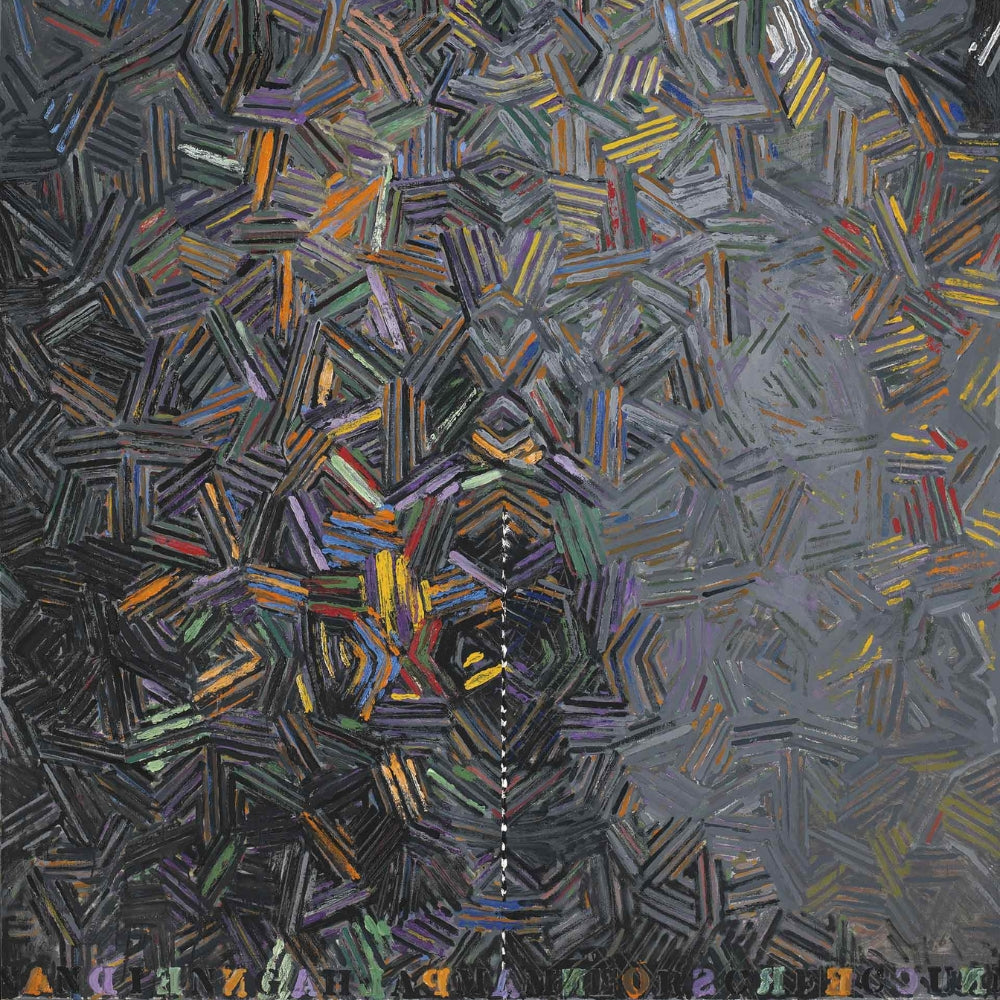
While Johns is often associated with symbols and systems, his later works reveal a more personal and reflective approach. Themes of memory, identity and mortality emerge throughout the exhibition, particularly in works from the 1980s onwards.
These pieces demonstrate the emotional depth that underpins much of his practice and help explain why his work continues to reward repeated viewing and scholarly attention.
Why Jasper Johns Remains So Significant
The importance of Jasper Johns extends far beyond his individual artworks. His influence can be seen across multiple artistic movements and generations of artists. By challenging accepted ideas about painting and representation, Johns fundamentally altered the direction of contemporary art.
Today, museums worldwide continue to dedicate major exhibitions to his work, while leading institutions hold his paintings, prints and sculptures within their permanent collections. The Guggenheim Bilbao retrospective serves as a timely reminder of his extraordinary contribution to art history and his lasting impact on visual culture.
To learn more about collecting Jasper Johns, or to discuss available works, get in touch with Lougher today.
Jasper Johns: Night Driver at Guggenheim Bilbao is more than a retrospective. It is an opportunity to engage with the work of an artist who transformed contemporary art and continues to shape conversations around image making, meaning and perception.
By bringing together works from across seven decades, the exhibition reveals the remarkable depth and consistency of Johns' vision. For collectors, curators and art enthusiasts alike, it offers valuable insight into an artist whose influence remains as relevant today as ever.
For those interested in collecting Jasper Johns works, Lougher provides expert market guidance, sourcing and advisory services tailored to both new and established collectors.