



Why Picasso Still Matters: A Guide to Collecting Picasso Prints & Investing in His Art
By James Pilsworth, Senior Buying Associate at Lougher
Why Picasso Still Matters
Pablo Picasso may be the best-known artist in history. A household name and a byword for creative genius, he altered the trajectory of modern art but also the very idea of what it means to be an artist. Over a career spanning more than eight decades, he relentlessly challenged convention, overturning centuries of artistic tradition through an astonishing series of innovations. Today, his work is held by most of the world's leading museums, and his starring role in the history of Modernism makes him an essential presence in any major collection.
The Evolution of Picasso's Artistic Style
His output was nothing short of heroic. During his lifetime Picasso created more than 20,000 individual artworks, including paintings, prints, drawings, sculptures, ceramics, and designs for theatre sets and stage costumes. The vast scope of his output is matched only by its technical brilliance. Reflecting on his practice, the master once observed that "The movement of my thought interests me more than the thought itself." This statement more than any other captures the restless curiosity at the heart of his career. Rather than settling into a singular style, he continually reinvented himself, proving that an artist's identity could be defined by perpetual experimentation. For collectors, Picasso's career unfolds not as a linear progression but as a swashbuckling adventure.
His career is divided into a series of distinct periods, each marking a dramatic shift in style and outlook. Beginning as a gifted academic realist, Picasso displayed such exceptional talent by the age of thirteen that his father (himself a painter) is said to have surrendered his brushes, convinced that his son had already surpassed him. However, academic tradition could not contain the young artist's ambition. Over the next two decades, he passed through the melancholic introspection of the Blue Period (1901–1904), the warmth and lyricism of the Rose Period (1904–1906), and the radical experimentation of the African Period (1906–1909). By the age of twenty-six, he had become the undisputed leader of the European avant garde.
His greatest artistic revolution, however, was still to come.
How Cubism Changed Art Forever
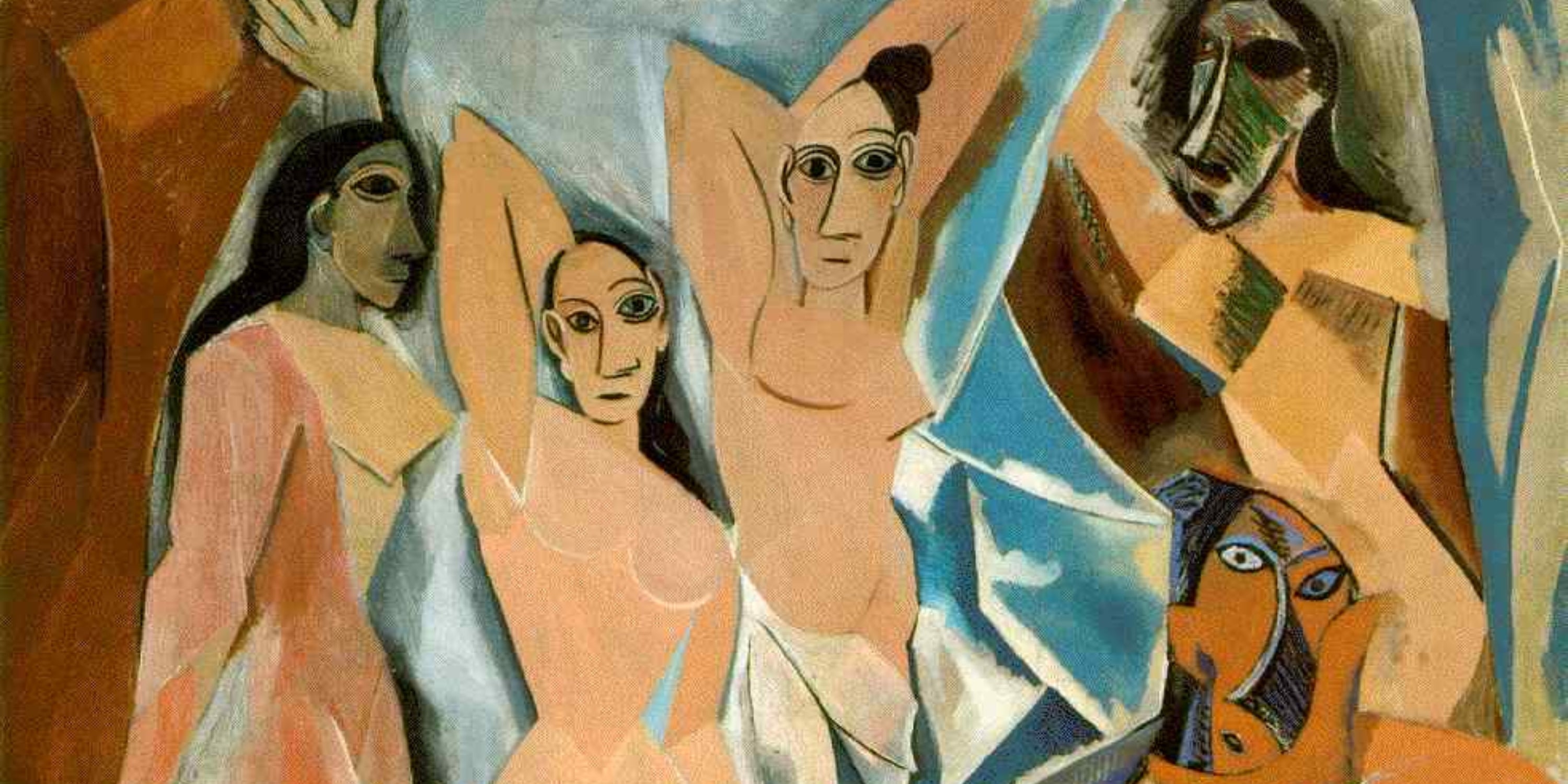
In the years leading up to 1910, Picasso was instrumental in the development of Cubism, one of the most explosive departures in the history of art. Its impact was seismic. By depicting subjects from multiple viewpoints simultaneously, Picasso gleefully reimagined the representation of space and form. The visual language he helped to create would shape not only painting and sculpture but also sent reverberations through architecture, design, photography, and countless other creative disciplines throughout the twentieth century.
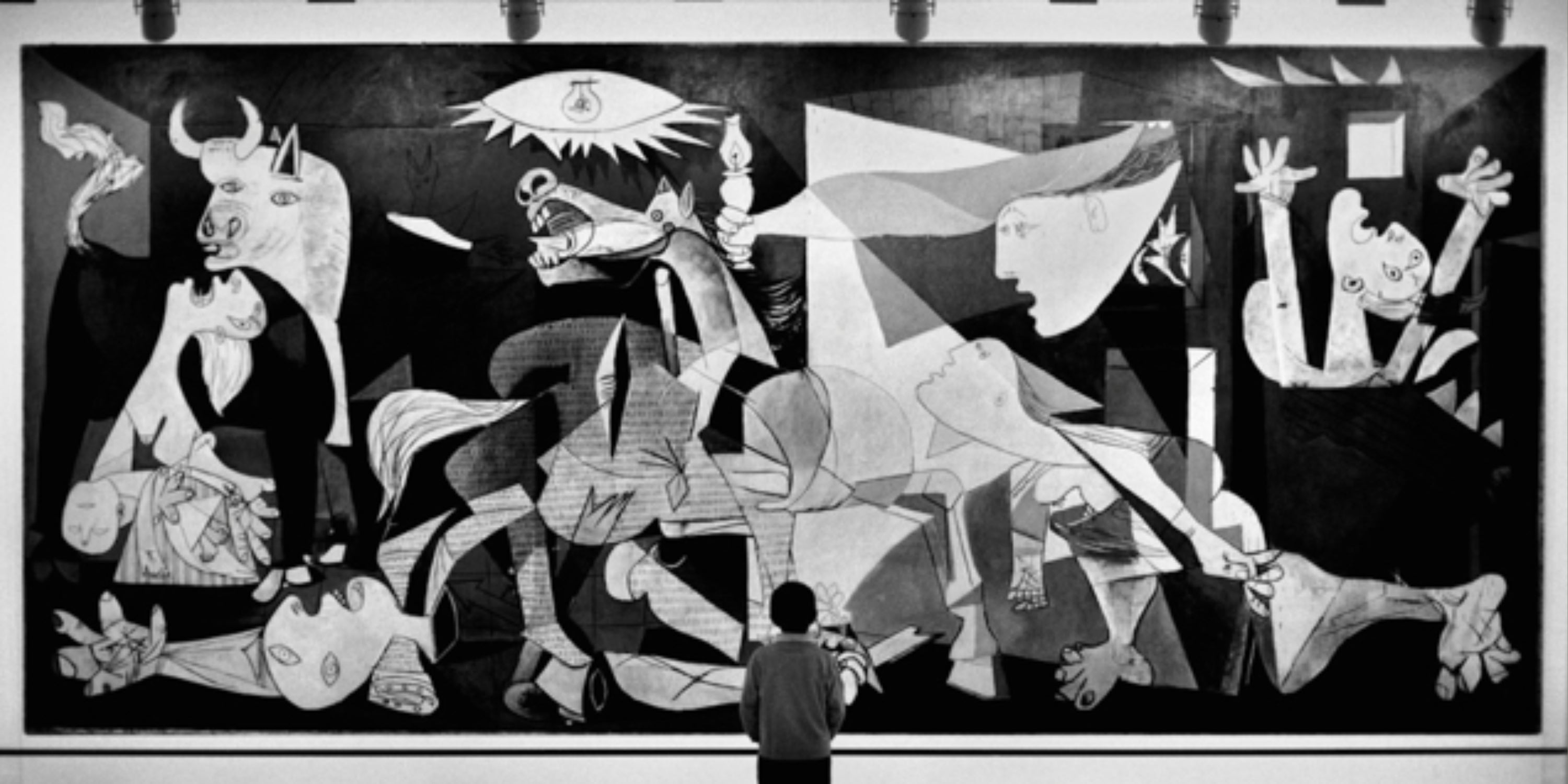
For most artists, this achievement alone would have secured an enduring legacy. For Picasso, it was only the beginning. He would continue working for another six decades, producing a dazzling body of work that absorbed the lessons of Cubism and reinterpreted it through the lenses of neoclassicism, surrealism, and politics, all with insatiable gusto. From intimate portraits to monumental history paintings, his later career yielded countless masterpieces.

Why Picasso Remains a Blue-Chip Investment
More than fifty years after his death in 1973, Picasso remains one of the most sought-after names in the global art market. Five of his paintings have sold for more than $100 million at auction, while more than fifteen have surpassed the $50 million mark. His appeal combines unrivalled name recognition, profound historical importance, and enduring worldwide demand for his images.
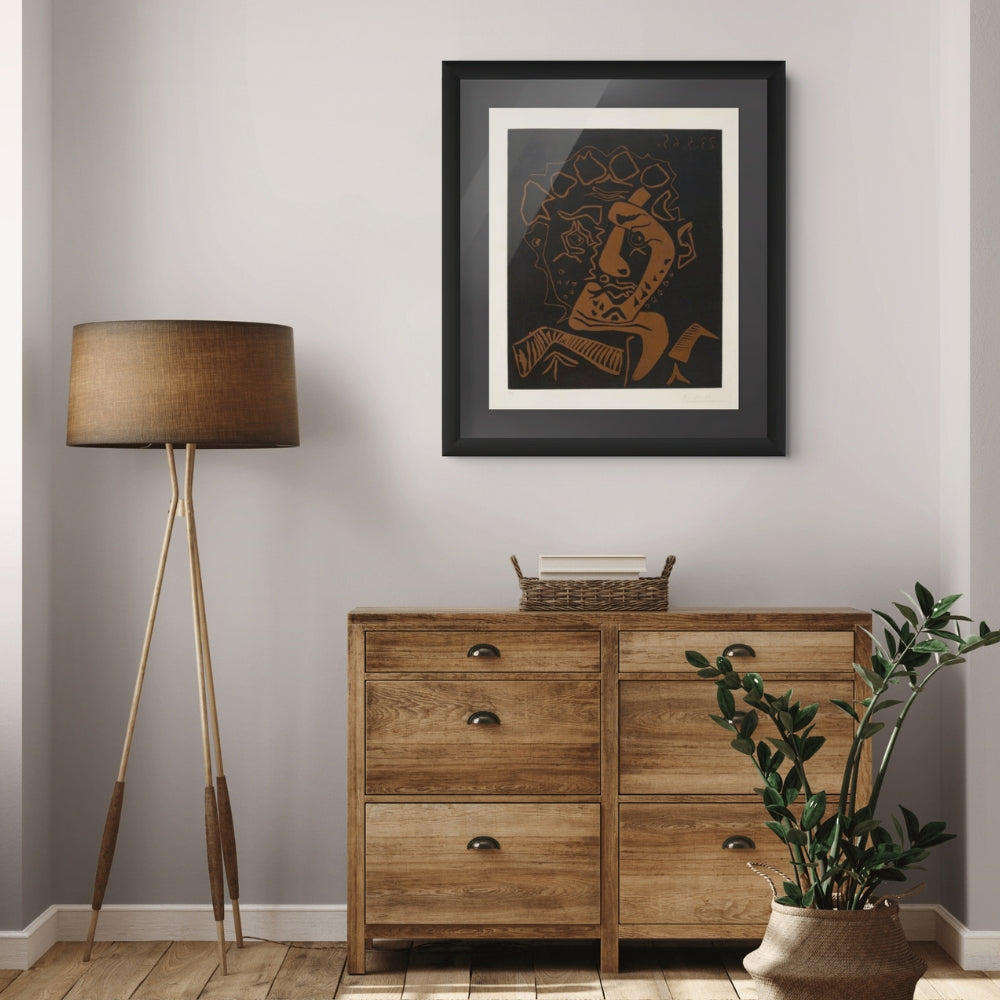
Despite his legendary status, collecting Picasso’s work is not the exclusive preserve of the world's wealthiest buyers. While major paintings command extraordinary prices, authenticated Picasso prints offer a remarkably accessible route into ownership. For many collectors, they represent one of the most compelling entry points into the market for museum-quality 20th century art.
Why Collect Picasso Prints?
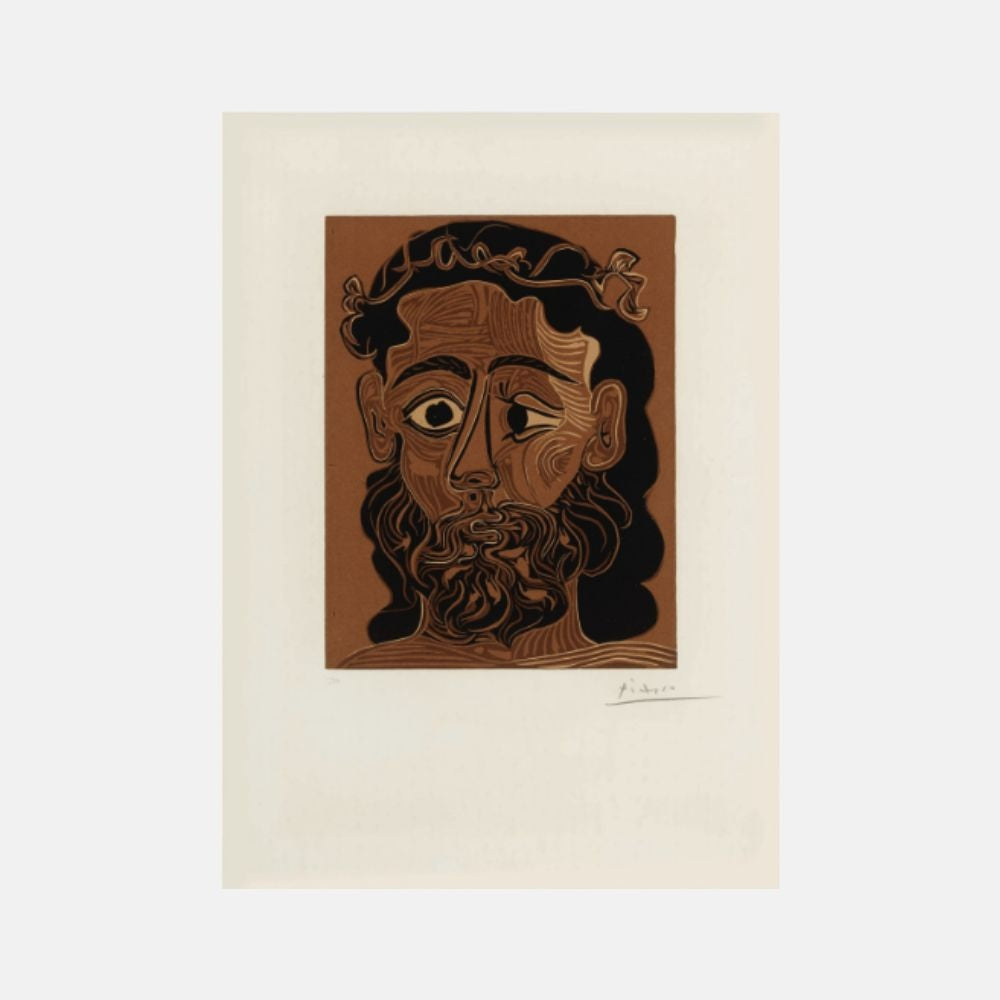
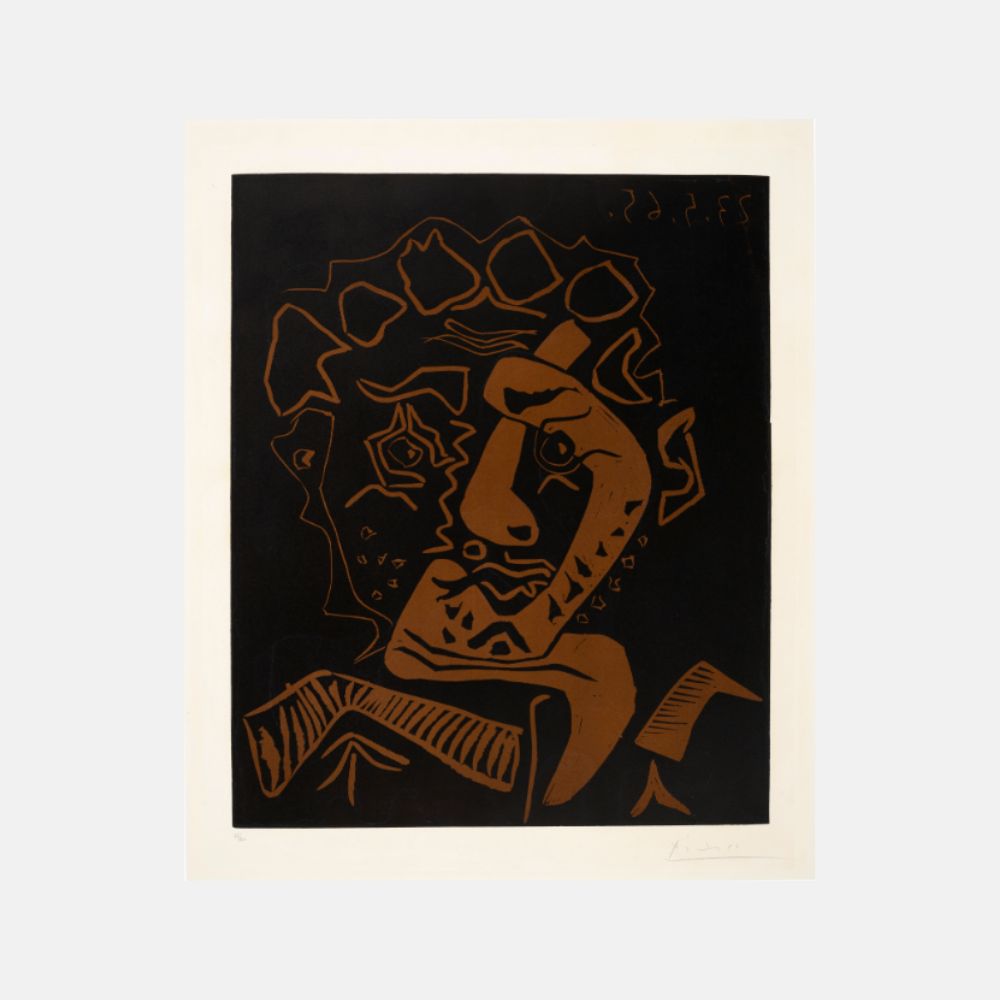
This area of Picasso's oeuvre combines exceptional value with some of his boldest artistic innovations. He created his first print in 1899 and his last in 1972, producing around 2,400 individual images through the mediums of etching, lithography and linocut. He also designed over 600 editioned ceramics between 1947 and 1971. Picasso regarded printmaking as a natural extension of his painting and an essential arena for experimentation. His prints allowed him to test new ideas, revisit enduring themes, and push technical boundaries with remarkable freedom. Their imagery is often deeply autobiographical, drawing upon the artist’s passions, family relationships and artistic touchstones. Picasso’s evolution as an artist can thus be traced as vividly through his prints as through his paintings.
The Backbone of the Print Market
The market for Picasso’s prints is a story of long-term resilience and consistency. Prints account for more than fifty percent of Picasso works sold at auction, and they continue to attract new generations of collectors. With decades of sales history and scholarly research behind them, they offer a level of market confidence almost unsurpassed by any other artist.
What to Look for When Collecting Picasso Prints
Subject Matter
Picasso created recognised masterpieces across every medium and style he worked in, so there is a print for every taste. Images of his lovers and muses have proven to be especially popular, as have mythological scenes featuring his alter ego the minotaur. Most of his graphic works were printed in black and white, so works in colour tend to attract a premium. Ultimately, Picasso’s versatility is part of his appeal, and collectors are well served by simply choosing an image they connect with.
Edition Size
Picasso produced over 2,400 different prints, but individual images are rare. Many of his prints were published in signed editions of only fifty. Picasso’s market is thus categorised by high liquidity and accessibility, but also by the thrill of the chase.
Signature and Numbering
Collectors should prioritise signed and numbered editions wherever possible. Unsigned exhibition posters and reproductions can have decorative appeal, but they rarely command the same market value as authenticated limited editions. Picasso’s signature is one of the most recognisable in the world, and he was well aware of its value.
Condition
Condition remains one of the most important value drivers. Buyers should be on the lookout for:
• Paper discolouration
• Light fading
• Foxing
• Creases
• Restoration
• Framing quality
Even minor condition issues can affect resale value significantly. Read our condition guide to find out more.
Provenance
Picasso’s prints are exceedingly well documented, being the subject of two catalogues raisonnés (published respectively by Georges Bloch and Brigitte Baer). They include information such as:
• Every known state of an etching or engraving
• Printing histories and edition information
• Technical descriptions
• References to publishers and printers
• Provenance and archival research where available
Documented ownership history can increase collector confidence and support value retention. Where available, exhibition history, gallery provenance and original acquisition documentation can strengthen a work's market appeal. Read our guide to condition and provenance to find out more.
Why Work with Lougher for Picasso Sourcing
At Lougher we specialise in offering impartial advice, sourcing works, and supporting due-diligence for Picasso acquisitions. Here are the benefits:
Access to Off-Market Opportunities
We have established relationships in the London and international market and can tap into off-market opportunities.
Expert Market Insight
We provide current market intelligence (prints vs paintings, edition size, subject matter) and advise on timing and value.
Tailored Buying Advice
Whether you are entering at the sub-£10k print level or sourcing major paintings, we customise the approach.
Ongoing Collection Support
We assist with framing, condition reporting, provenance verification, and future resale planning.
If you’re serious about collecting or investing in Picasso editions, we’d be pleased to discuss your objectives and help you identify works with strong fundamentals.