





Why Prints Are a Strong Entry
Point into Art Collecting: Market Insights for 2026
By Huw Lougher, Managing Director at Lougher
In the past - and I’m talking decades rather than years ago - there was a persistent idea in the art world that prints sit somewhere below “real” art - a more affordable consolation prize for those who can’t stretch to a unique work. It’s a view that doesn’t survive contact with the market, and it’s one that has shifted considerably over the past two decades.
Prints and editions have moved from the periphery of serious collecting to its centre. Museum retrospectives now routinely include editions as significant works in their own right. Auction houses have now dedicated specialist sales and teams to them, and a growing number of collectors - from first-time buyers to seasoned investors - are recognising that a well-chosen print by an established artist can be one of the most intelligent acquisitions in any collection.
I’m of course biased - I have been fascinated by this area of the art market for nearly 20 years - but allow me the chance to explain why that bias is irrelevant. This article is intended to not only explain why this trend has developed since the turn of the millennium, but to also give you the tools to approach the market with confidence.
Market Insights: What the Art Market Is Telling Us
The broader art market has had a difficult few years. What we now know was a bubble in 2020 and 2021 - inflated by low interest rates, pandemic-era liquidity, and speculative buying - has since corrected. Spending on young contemporary artists at the major auction houses fell by more than 70% between 2022 and 2024 as speculative collectors withdrew and buyers consolidated around established, proven names. (Source: Christie’s, Sotheby’s and Phillips combined auction data, 2024)
The good news is that the correction has largely run its course. Global art sales returned to growth in 2025, reaching $59.6 billion - up 4% year-on-year after two consecutive years of decline. (Art Basel & UBS Global Art Market Report, 2026) The recovery has been led precisely by the segment that held up best during the downturn: established artists with long track records, institutional recognition, and deep secondary markets.
This is where prints come in. Blue-chip editions weathered the correction better than almost any other area of the market. During the pandemic downturn, when broader art sales fell sharply, the contemporary prints and multiples segment grew by more than 64%. By mid-2022, sales of blue-chip prints were 352% higher in value than they had been in 2017. (MyArtBroker Market Intelligence, 2022) Global print auction turnover reached $473 million in 2024 - up 57% from pre-COVID levels. (ArtPrice Global Art Market Report, 2024)
According to ArtTactic’s Global Art Market Outlook, 43% of respondents expressed the highest level of confidence in blue-chip artists over the next 12 months, ahead of established contemporary artists at 40%, and well ahead of emerging artists at 27%. When uncertainty rises, the market gravitates toward quality and track record. Prints by blue-chip artists sit squarely in that category.
We think this is a good moment to buy. The smart collectors we work with are already moving.


Why Prints Have Become a Core Part of Serious Collecting
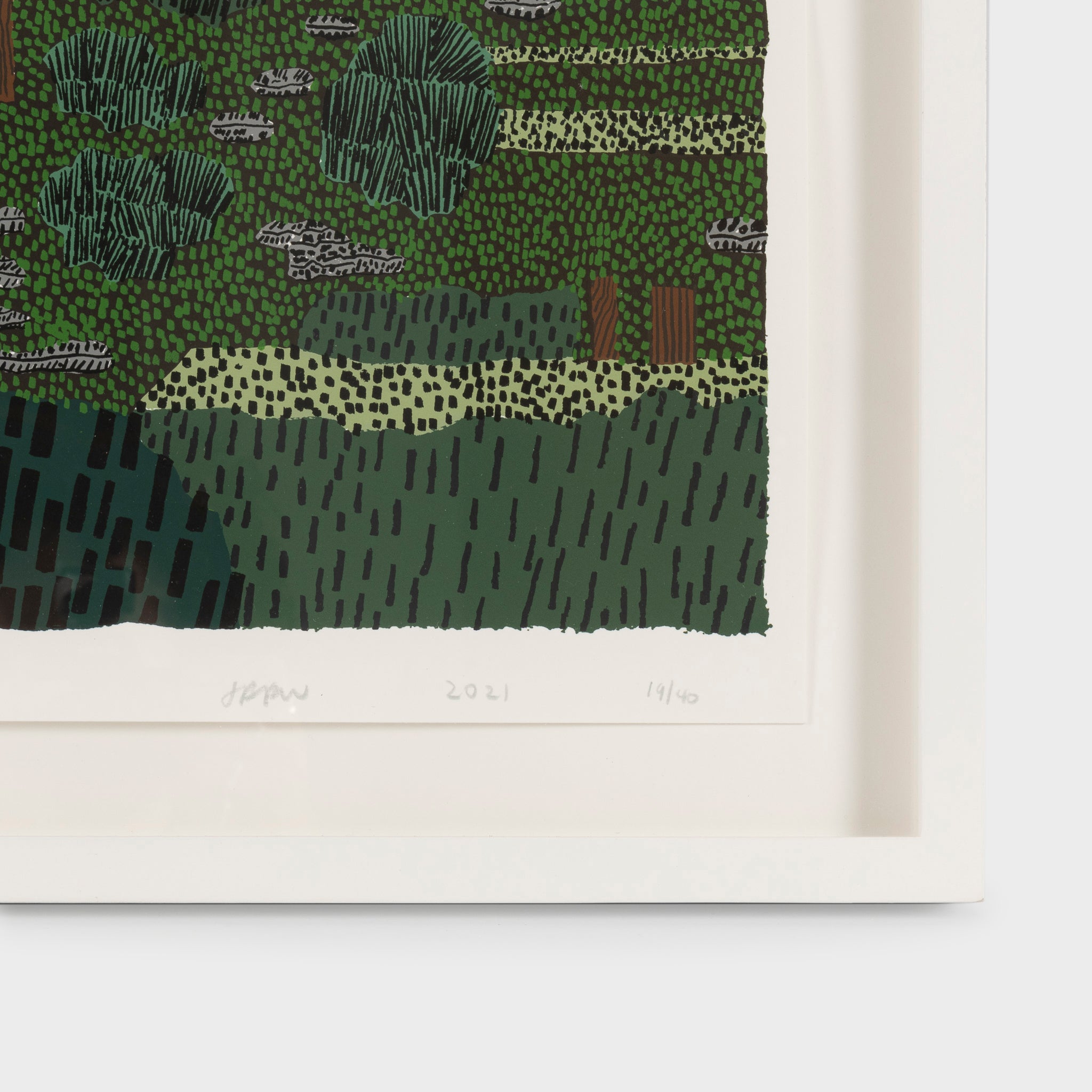
A limited edition print is not a reproduction. It is a work produced in a defined quantity - often signed and numbered by the artist - using processes such as screenprint, etching, lithography, or woodblock. Once that edition is closed, no more can be made.
This matters for several reasons.
Accessibility to Blue-Chip Artists:
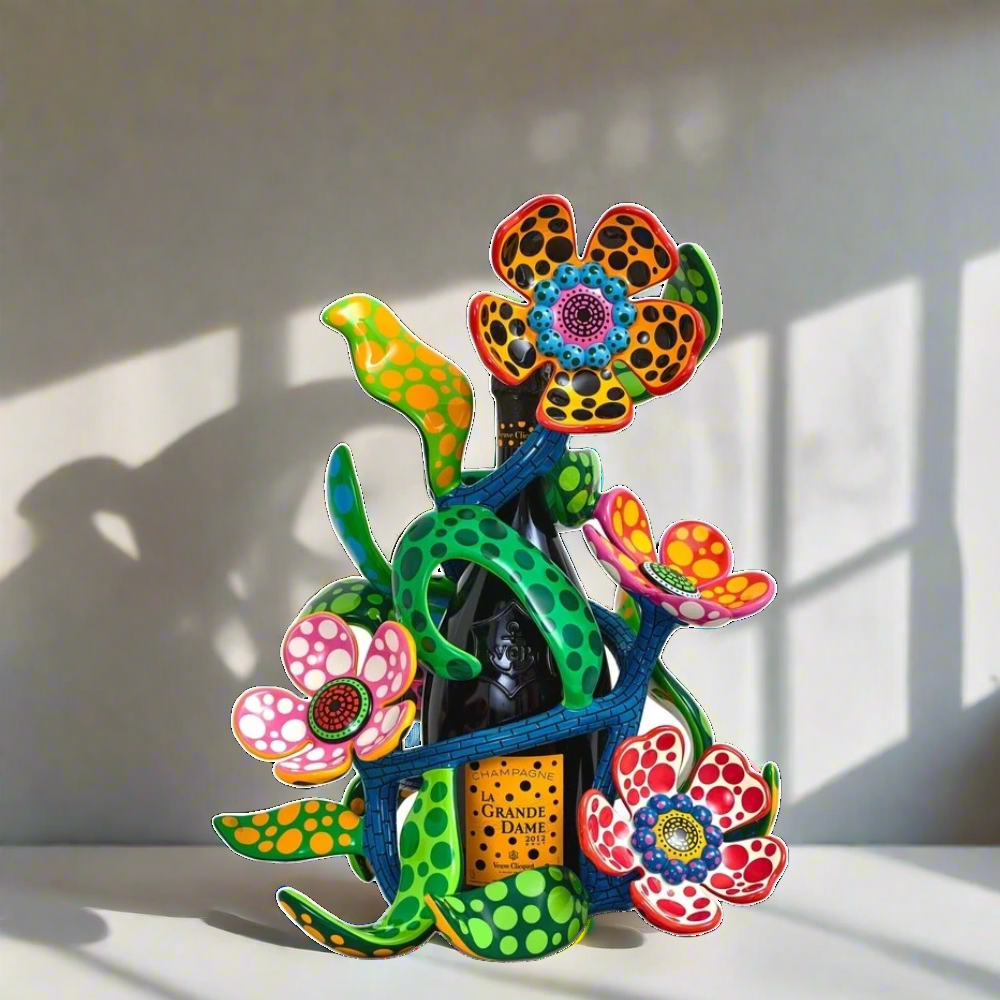
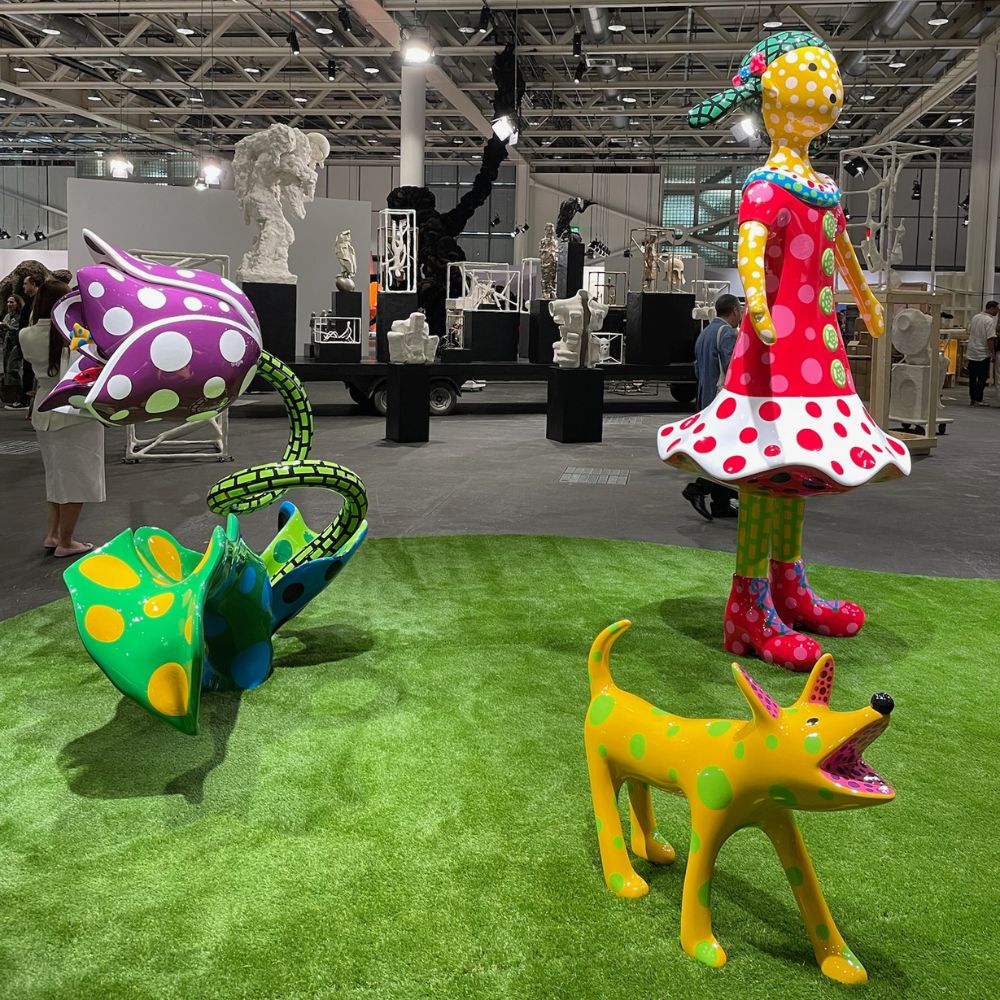
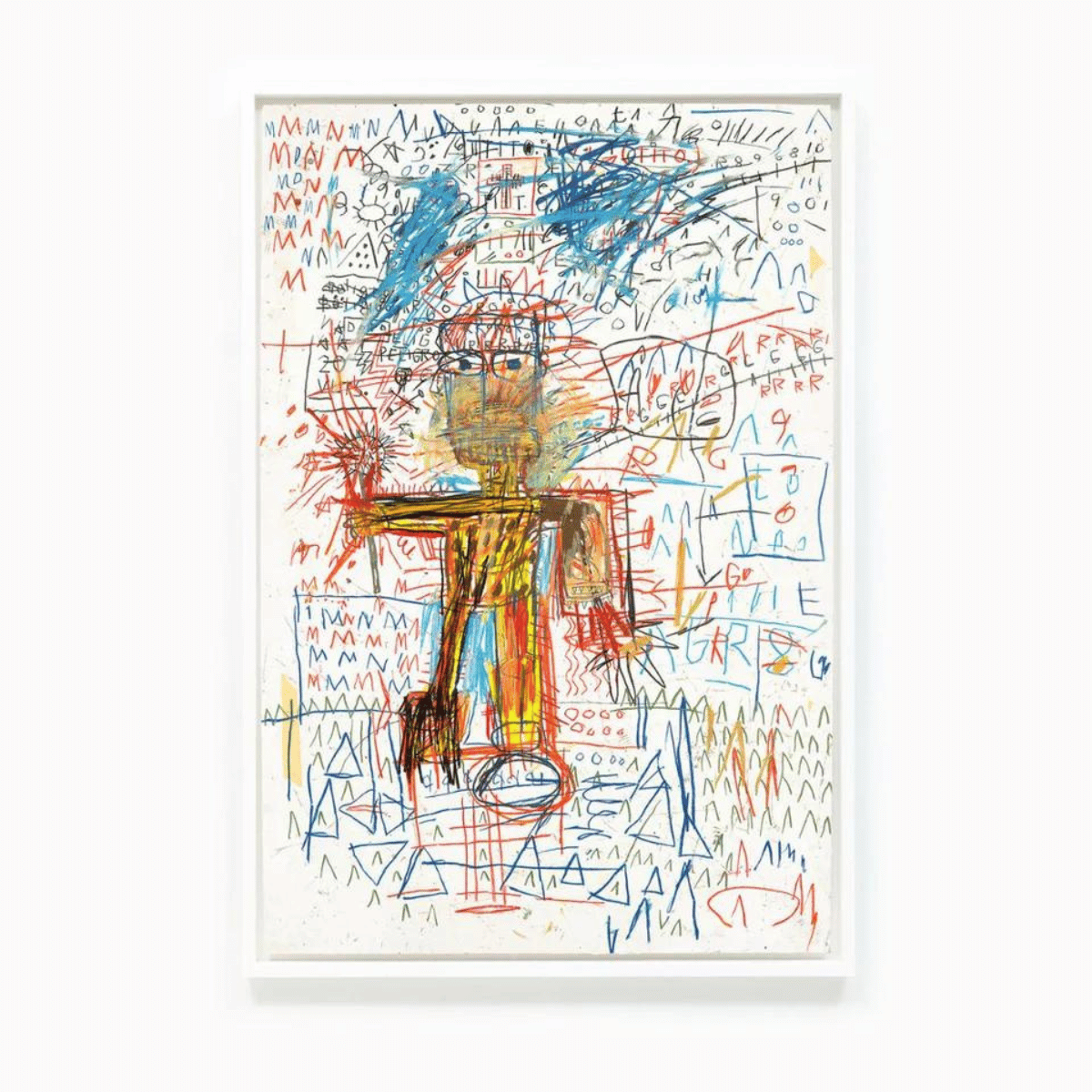
A screenprint by Damien Hirst, a woodblock by Yayoi Kusama, or a lithograph by Gerhard Richter gives you access to some of the most recognised and culturally significant artists of the last fifty years - at a fraction of the price of their unique works. The editions market makes it possible to build a collection around artists whose paintings may be beyond reach for most buyers.
Liquidity and Global Demand:
Prints by established artists are widely bought and sold. There is consistent, global demand for them across auction houses, specialist dealers, and online platforms. This matters when it comes to selling. Unlike unique works, where finding the right buyer can take time, a well-chosen edition by a recognised artist has a ready market.
Value Resilience Over Time:
Prints by blue-chip artists have consistently held their value over time, and in many cases have appreciated significantly. According to ArtPrice, blue-chip art has delivered an average annual return of 8.9% over the past twenty years. (ArtPrice Global Art Market Report, 2024) That figure covers the broader blue-chip category rather than prints specifically, but it reflects the underlying market in which these works sit. We are not suggesting prints are a guaranteed investment - no art is - but the risk of significant capital loss over a five-to-ten-year period is materially lower here than in other areas of the market, such as emerging artist works.

Common Misconceptions About the Prints Market
A few misconceptions recur frequently in the prints market, and they’re worth addressing directly.
Certificates of Authenticity Explained:
Many buyers assume that without a COA from the artist or publisher, a print is somehow compromised. In practice, we estimate that more than 90% of prints on the secondary market do not come with a formal certificate of this kind. What matters far more is buying from reputable sellers. A well-documented print without a COA is considerably more valuable than a poorly documented one with a certificate that cannot be properly verified.
Pricing Variation and Market:
Transparency. The prints market is entirely unregulated in terms of pricing. A gallery can charge whatever it wants for a given work, with no obligation to justify the price relative to the wider market. Significant variation exists between sellers, and some of that reflects genuine differences in service, expertise, and overhead. A gallery in a premium location with specialist staff will typically carry higher margins than a regional operator. That is not inherently wrong - but you should understand what you are paying for. Ask questions. Research the artist’s recent market activity. If a price looks high and a dealer can’t explain why, that tells you something.
Auction Houses vs Private Sales:
Many collectors assume that selling via a major auction house maximises return. It doesn’t always. The combination of seller’s commission and buyer’s premium, and sometimes standard VAT means total transaction costs at UK auction houses can approach 50%. For motivated sellers, a private sale through a specialist dealer will frequently deliver a better outcome.
Condition and Its Impact on Value:
For prints and editions, condition has a material impact on value. Fading, foxing, handling marks, or poor framing can significantly affect what a work achieves on the secondary market. This is something to factor in both when buying and when assessing what you already own.
Authenticity Risks in the Secondary Market:
This is perhaps the most important point in this piece, and the one least discussed openly. The prints market has a significant problem with inauthentic works - and there is no regulatory body, no reporting mechanism, and no meaningful accountability to address it.
We regularly encounter works coming through regional auction houses and smaller galleries that are either outright forgeries or so poorly documented that their authenticity cannot be established. The major auction houses have the expertise and processes to catch most of these, though not always. Smaller operators frequently lack either the knowledge or the infrastructure to do so reliably. In our experience, this is not a rare occurrence - it is a weekly reality for anyone monitoring the blue-chip editions market closely.
The “too good to be true” test exists for a reason. A Yayoi Kusama pumpkin painting listed at £20,000 when comparable examples are selling for £300,000 to £400,000 should raise immediate questions. An Andy Warhol Endangered Species offered at £35,000 when the market sits considerably higher is likely either inauthentic or very poor condition. If a dealer cannot explain the discount, do not buy.
This is not intended to alarm - the vast majority of transactions in the reputable part of the market are entirely legitimate. But it is intended to make the point that who you buy from matters enormously, and that the expertise required to navigate this properly takes years to build.

How to Choose the Right Dealer or Gallery
This brings us to what we think is one of the most underappreciated aspects of collecting: the importance of choosing the right seller.
Service in the editions market - and the wider art market - varies enormously, and there is very little accountability for those providing a poor one. Before committing to a purchase, particularly from an unfamiliar source, ask the right questions. How long has the gallery been in operation? What do their reviews say? Can they provide detailed condition photography? What are your rights if a work arrives in a condition that does not match what was described? What legal protections do they offer? If you are buying from overseas, how is shipping and insurance handled, and who is responsible if something goes wrong in transit?
A reputable dealer will answer all of these questions clearly and without hesitation. If the answers are vague, or if the process feels pressured, walk away.
At the same time, once you have found a dealer you trust - lean on them. The best dealer relationships are partnerships, not transactions. A good specialist will tell you when not to buy as readily as when to buy, will keep you informed about market movements that affect what you own, and will work in your interest when it comes to selling.
How Lougher Contemporary Supports Collectors
We have specialised exclusively in the secondary market for prints and editions since 2015. Our team brings more than fifty years of collective knowledge to every transaction - not just art market experience, but deep expertise across art handling, international logistics, risk management, and the legal frameworks that protect our clients.
That depth matters in practice. We have spent a decade carefully building relationships with partners across every part of our business - shippers, insurers, legal advisors, authenticators - and we have full confidence in each of them. When a client buys or sells through us, we do not step out of the process and pass responsibility elsewhere. We own our deals from start to finish.
We work with a significant network of both private and trade clients, which means there are very few editions we cannot source if asked.
Our focus remains deliberately narrow. We do not work in the primary market. We are secondary market and art market specialists, and that is where our attention, our relationships, and our expertise are concentrated.
If you are considering starting or expanding a collection, or if you have works you are thinking of selling, we are always happy to talk - with no obligation on either side.

Want to Know More?
Get in touch with out team of specialists, here to help you on your collecting journey.