


Remembering Yayoi Kusama: The Enduring Legacy of an Artist Who Made Infinity Visible
"My life is a dot lost among thousands of other dots."
Lougher joins the art world in remembering Yayoi Kusama, who has died aged 97. Her studio confirmed that she died at a hospital in Tokyo on 14 August 2026, following an extraordinary life devoted almost entirely to artistic creation. In a statement released on 27 August, Yayoi Kusama Inc and Yayoi Kusama Studio Inc described a career spanning visual art, performance, fiction and poetry, and noted that Kusama continued to paint until her final days.
Few artists of the post-war era created a visual language as immediately recognisable as Kusama's. Infinity Nets, polka dots, pumpkins, mirrored environments and fields of repeated forms became the vocabulary through which she explored infinity, repetition, obsession, selfhood and the relationship between the individual and the universe.
Yet to describe Kusama simply as the artist of polka dots or the creator of the famous Infinity Mirror Rooms is to underestimate the scale and ambition of her achievement. Her practice stretched across painting, sculpture, installation, performance, film, fashion, literature and poetry. She moved between disciplines and artistic movements while maintaining an identity that was unmistakably her own. The Museum of Modern Art describes her as a vital figure in New York's avant-garde from the late 1950s to the early 1970s, whose work intersected with Abstract Expressionism, Minimalism, Pop art, Feminist art and institutional critique.
Kusama's career was also remarkable for its persistence. She continued to create across decades in which the art world changed almost beyond recognition. Her work moved from the experimental galleries of 1960s New York to the world's major museums, while her distinctive imagery eventually became part of the broader visual culture of the 21st century.
Her death marks the end of a life in which art was not simply a profession, but a means of understanding existence.
What was Yayoi Kusama best known for?
For many people encountering contemporary art today, Yayoi Kusama is best known for her polka dots, pumpkins and Infinity Mirror Rooms.
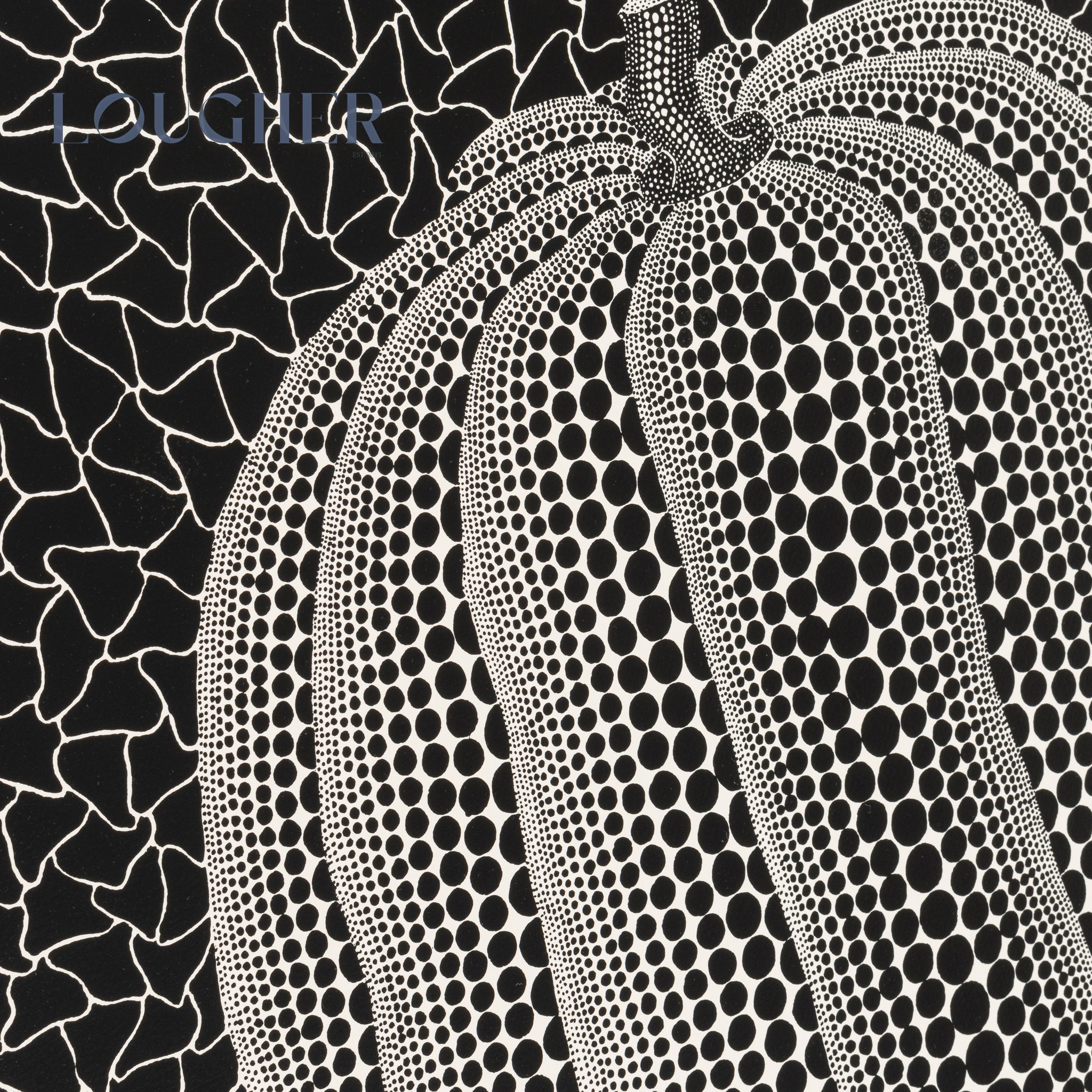
The dots are perhaps the simplest entry point into her work, but their apparent simplicity is deceptive. Repetition was fundamental to Kusama's practice from its earliest stages. She began making works filled with repeated dots and nets in Japan, developing a fascination with patterns that could appear to extend beyond the boundaries of an individual artwork.
MoMA notes that polka dots appeared in some of Kusama's earliest compositions and that her repeated forms were closely connected to the visual experiences she described from childhood. In works such as Accumulation, thousands of marks create an intimate image that simultaneously suggests extraordinary vastness.
Her Infinity Nets took this idea further. After moving to New York in 1958, Kusama produced enormous monochromatic canvases covered with painstakingly repeated loops and marks. The paintings could appear almost empty from a distance, only revealing their dense networks of individual gestures as the viewer approached. MoMA describes the series as an exploration of infinite repetition and infinite space, while recognising the personal and obsessive dimension embedded within the process.
Then came the mirrored environments that would become among her most famous works. Kusama's Infinity Mirror Rooms turned repetition into an immersive experience. Rather than looking at infinity represented on a canvas, audiences could physically enter an environment in which lights, reflections and repeated forms appeared to continue without end.
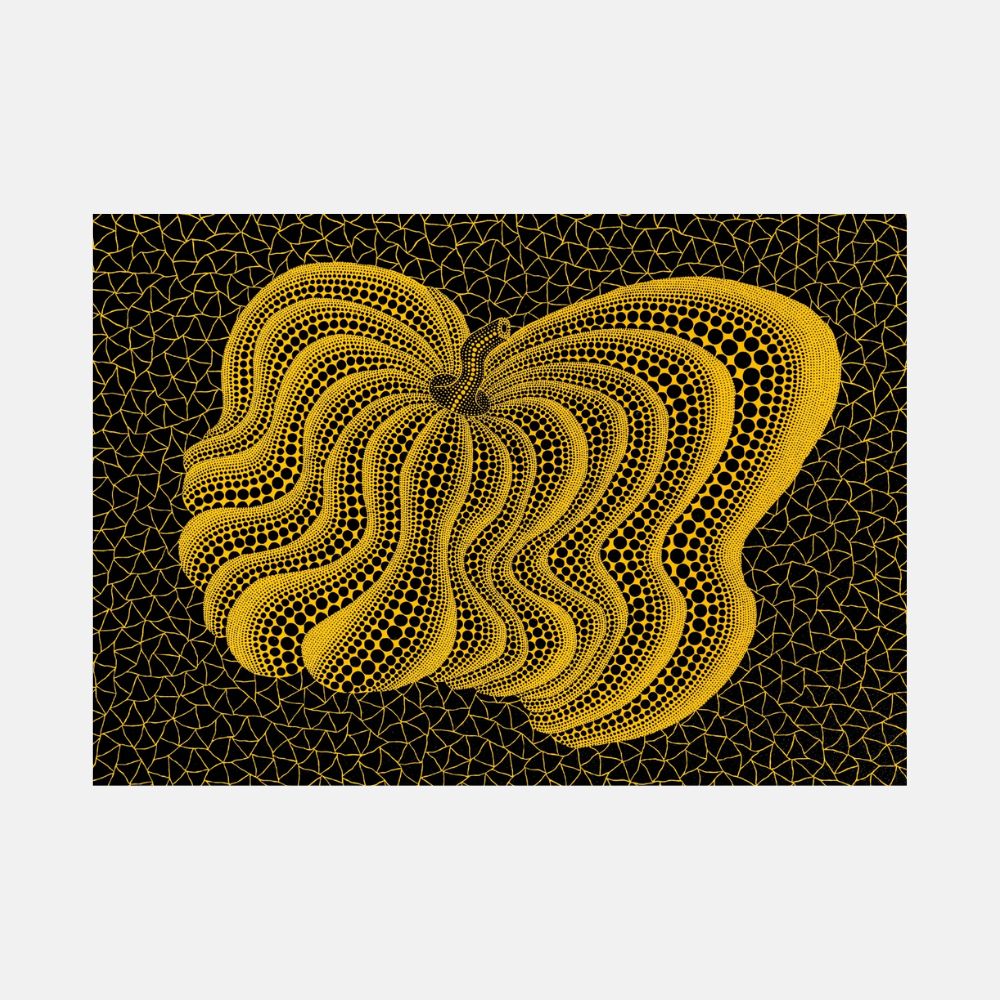
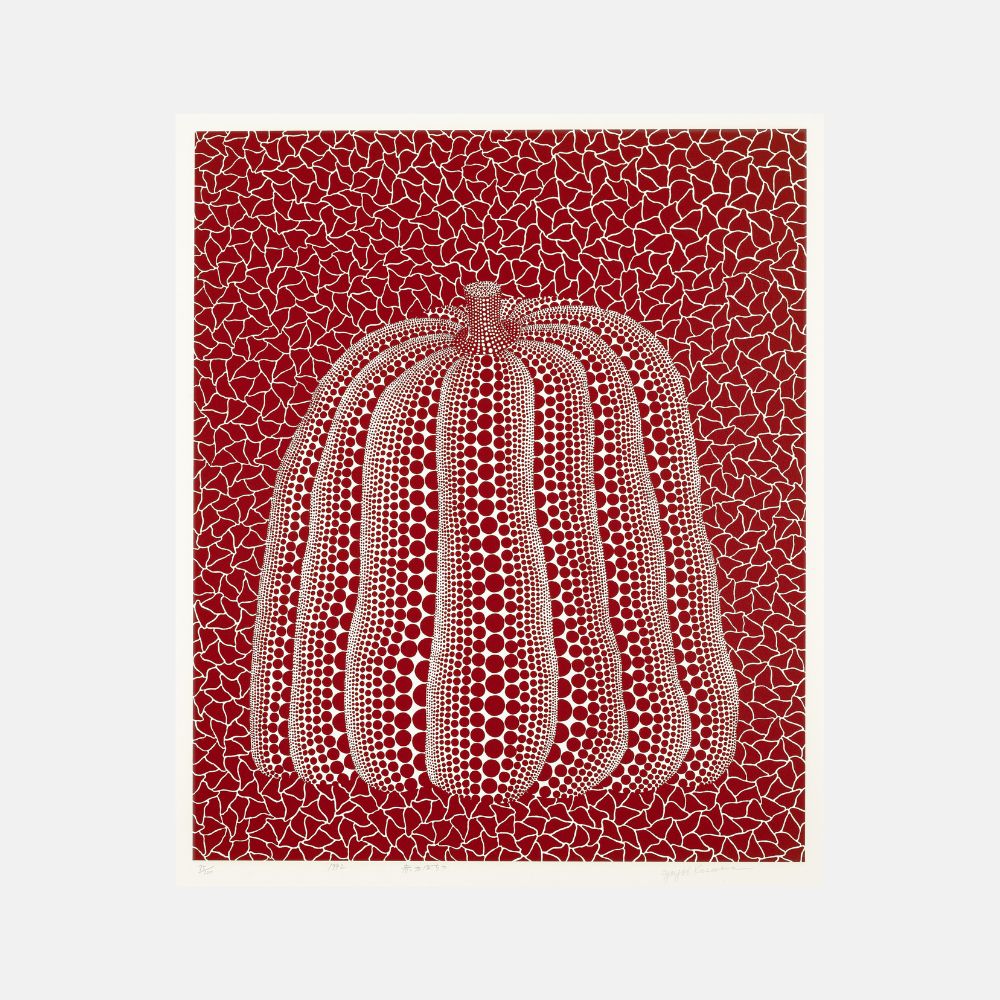
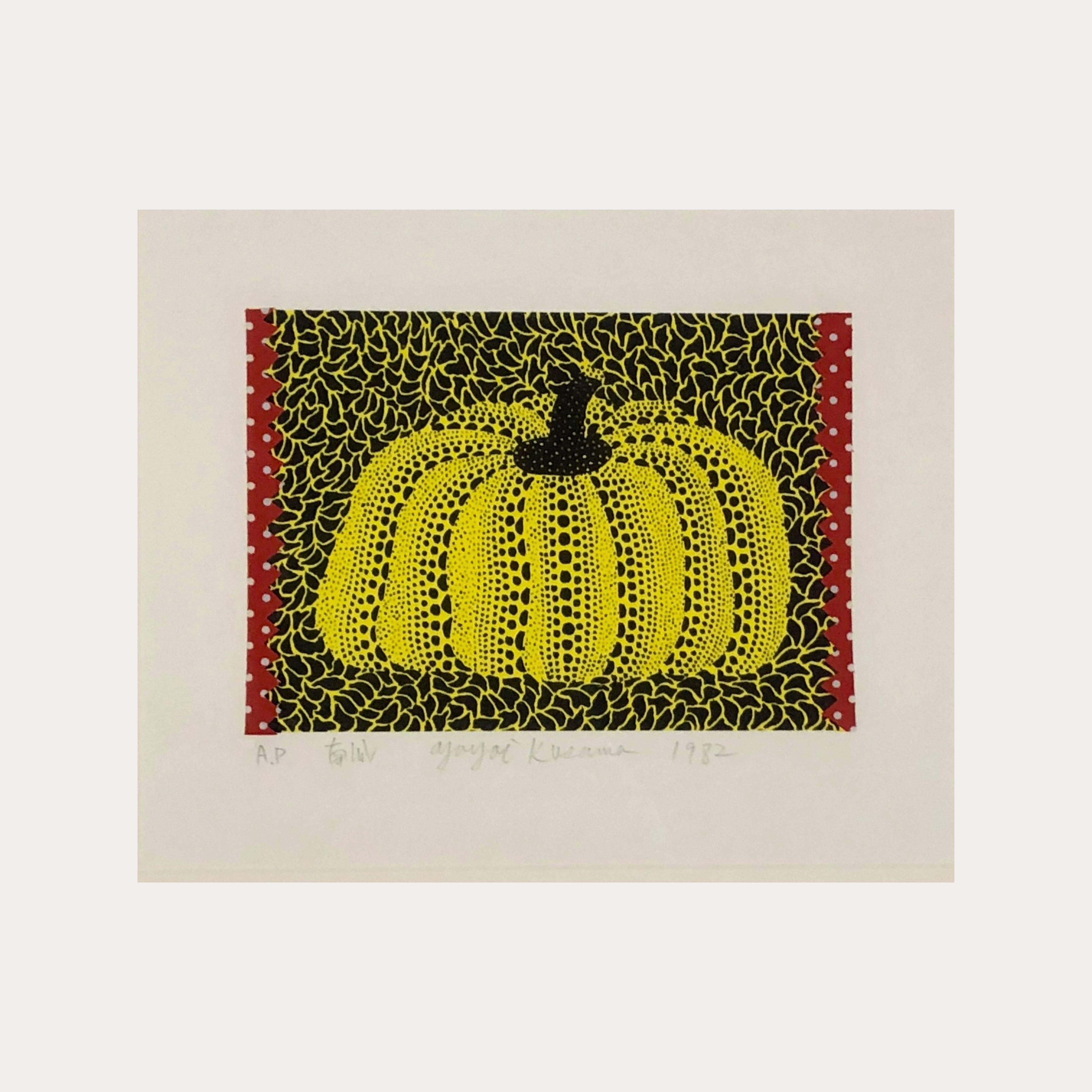
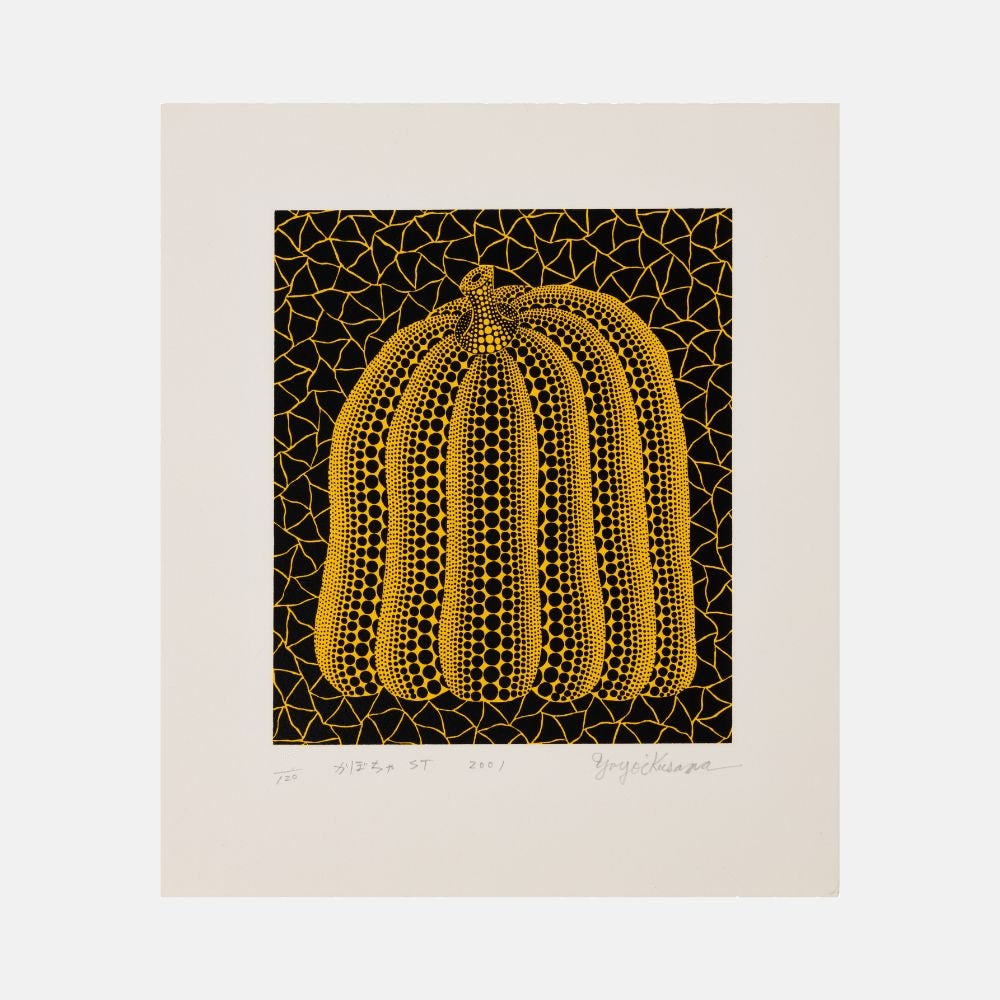
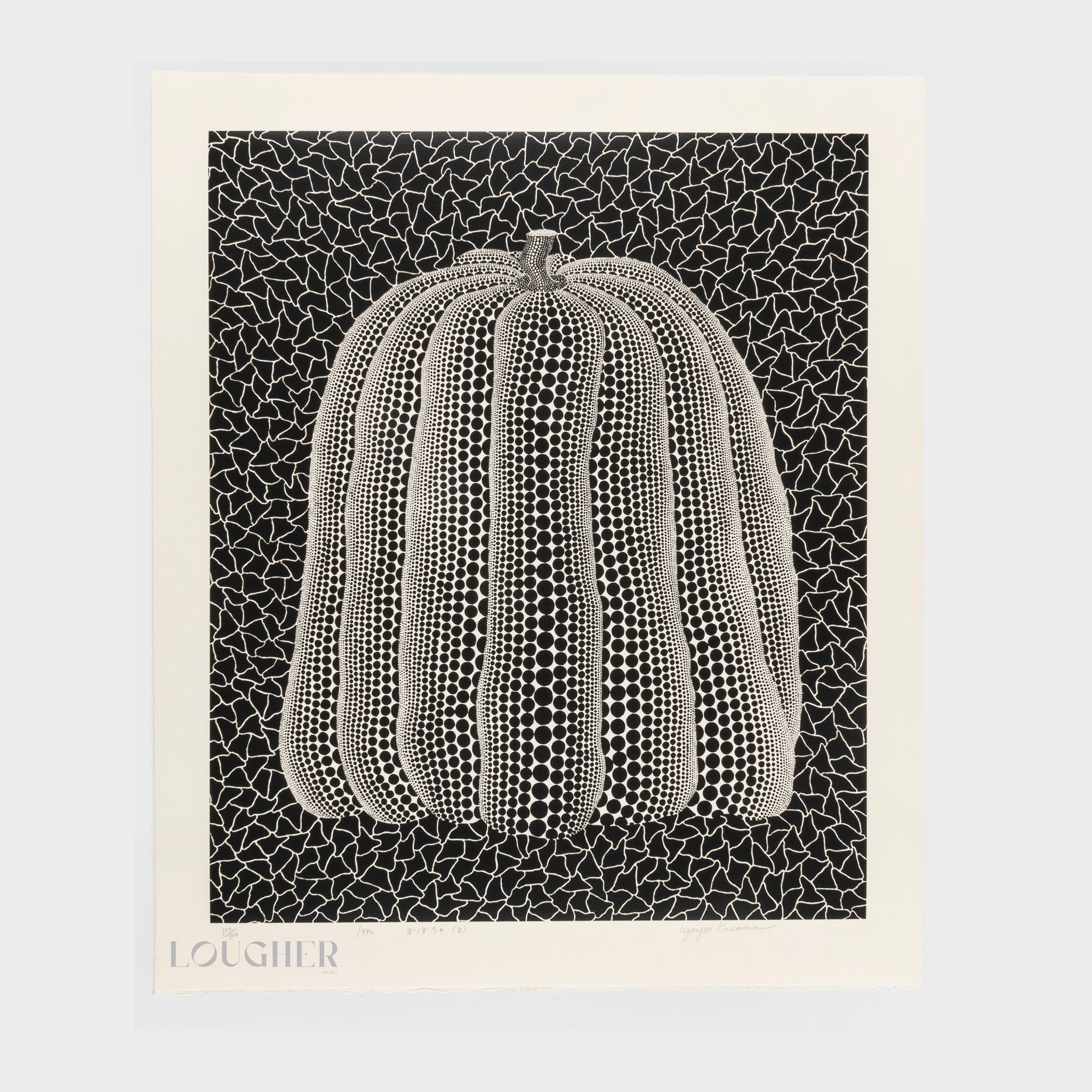
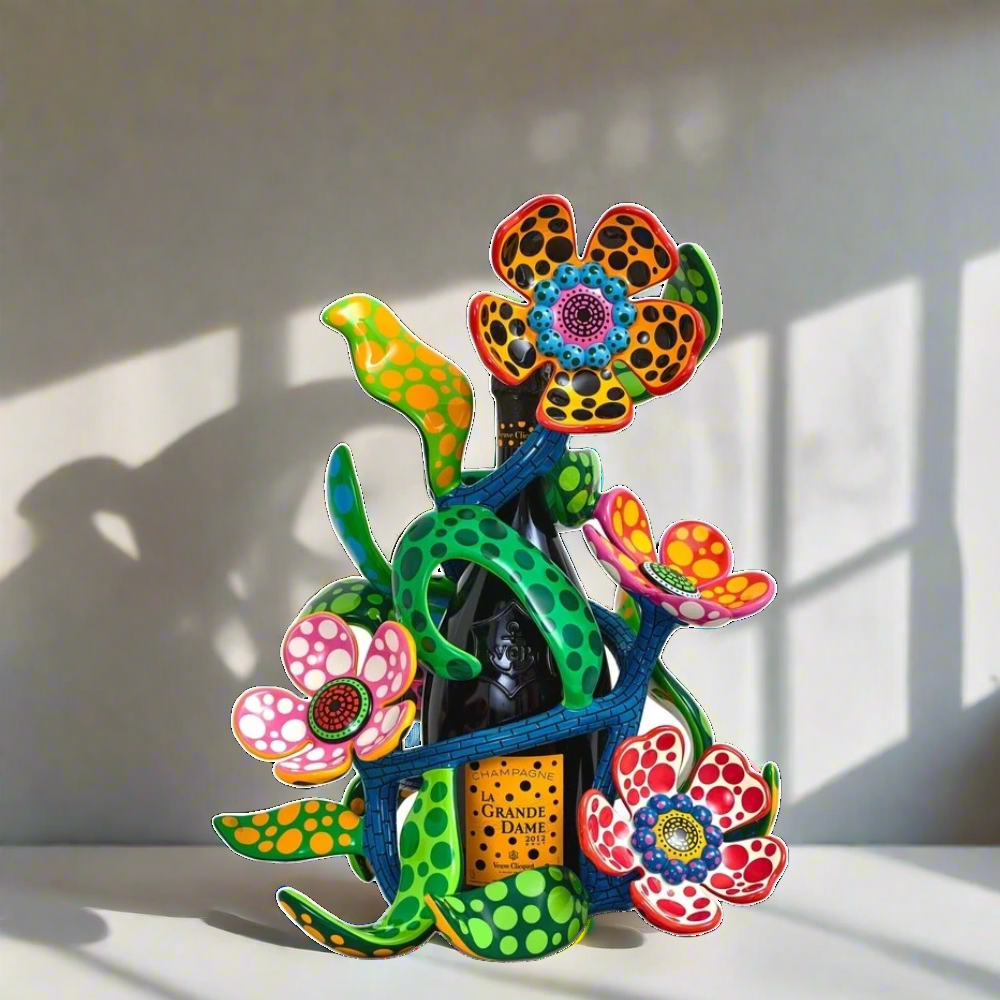
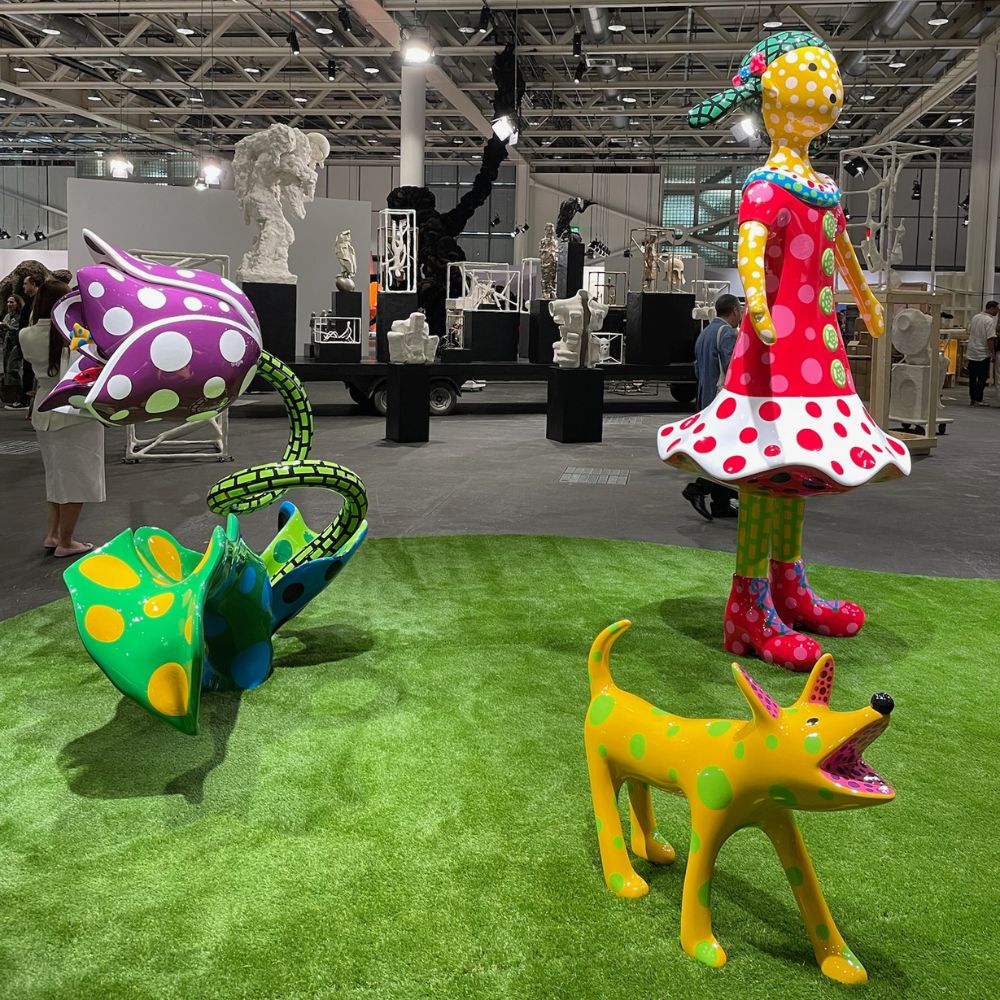
Her pumpkins became another defining motif. Often rendered in vivid colours and covered with her characteristic dots, they combine playfulness and monumentality. Their popularity demonstrates one of Kusama's most unusual achievements: she could create work that was conceptually ambitious while remaining immediately accessible to audiences who might otherwise feel distant from contemporary art.

Why was Yayoi Kusama such a powerful artist?
Kusama's power came partly from the tension between simplicity and complexity.
A dot is one of the most basic marks an artist can make. A repeated dot, however, can become something else entirely. Multiply it thousands of times and the individual mark disappears into a larger field. The boundary between object and environment begins to dissolve.
This became one of Kusama's central artistic ideas: the individual becoming part of something larger than the self.
Her repetition can be understood as both aesthetic strategy and philosophical proposition. A single dot is finite; an endless field of dots suggests infinity. A single reflection is ordinary; hundreds of reflections create an apparently limitless space. A pumpkin is familiar and domestic; transformed through repetition, scale and pattern, it becomes an icon.
That ability to take an ordinary visual language and make it feel extraordinary was central to Kusama's achievement.
Her work also demonstrated an extraordinary understanding of the relationship between the viewer and the artwork. The Infinity Mirror Rooms are not simply objects to observe. They depend upon the presence of the audience. The visitor enters the work, becomes part of the reflected image and experiences the unsettling sensation of being simultaneously present and dispersed.
In that sense, Kusama anticipated something that would become increasingly important in contemporary culture: art as an experience rather than something encountered solely from a distance.
From Infinity Nets to the Infinity Mirror Rooms
The story of Kusama's art cannot be reduced to one breakthrough. Her career was characterised by an ongoing process of taking an idea and pushing it into a new medium.
The Infinity Nets began as paintings. Repetition then moved into sculpture, where Kusama covered domestic objects with repeated forms. Her early Accumulation sculptures transformed furniture through obsessive surfaces of stuffed forms, challenging conventional ideas about sculpture, domesticity and the body. MoMA identifies Accumulation No. 1 as an early and prescient example of her feminist sculpture.
Her practice expanded further into installation and performance. By the 1960s, Kusama was working across painting, sculpture, happenings, installation, fashion and film. She was not content to remain within the established boundaries of a medium.
This refusal to stay in one category is important to understanding her legacy. Kusama was never simply a painter, sculptor or installation artist. She was an artist who used whatever form best allowed her to pursue her ideas.
That ambition helped make her work remarkably durable. An idea developed in a painting in the 1950s could later reappear in sculpture, installation or a mirrored environment decades afterwards.
Kusama, repetition and the idea of infinity
The word infinity is inseparable from Kusama's art.
But infinity in her work is not only a mathematical concept. It can also suggest psychological experience, the overwhelming scale of the universe, the disappearance of individual identity and the possibility of losing oneself within an environment.
Repetition is the mechanism that makes this possible.
Kusama once described her childhood experiences of seeing dots, nets and flowers proliferate across her surroundings. MoMA records her account of patterns appearing across ceilings, windows, walls, her body and the universe.
Rather than simply depicting these experiences, Kusama developed an artistic practice around repetition. The act of making became a way of giving form to something that could otherwise feel impossible to contain.
That is one reason her work can feel simultaneously joyful and unsettling.
The colours can be exuberant. The dots can seem playful. The pumpkins can appear almost whimsical. Yet underneath the visual pleasure is a profound preoccupation with scale, disappearance, repetition and the boundaries of the self.
A pioneering presence in New York
Kusama's importance also needs to be understood in relation to the art world she entered.
She moved from Japan to New York in 1958, arriving at a moment when the city's art scene was undergoing enormous transformation. She soon began exhibiting her large-scale Infinity Net paintings and became part of the avant-garde environment surrounding artists who would go on to reshape post-war art.
Her work was radical in both its appearance and its method. The painstaking repetition of her paintings challenged expectations about the expressive gesture associated with Abstract Expressionism. Her sculptures and installations questioned distinctions between painting, object and environment. Her performances confronted social and political conventions.
MoMA's assessment of Kusama is particularly revealing: although her work intersected with many of the defining movements of the period, she consistently defined herself on her own terms.
That independence is central to her legacy.
Kusama did not need to belong neatly to one movement to become historically significant. Her practice instead helped demonstrate how an artist could move across categories and still exert a profound influence on each of them.
The importance of a Japanese woman artist in the Western art world
Kusama's story is also significant because of the barriers she faced as a Japanese woman working internationally during the middle of the 20th century.
She arrived in New York at a time when the dominant narratives of Western art were largely written around male artists working within American and European institutions. Yet Kusama established herself within the city's experimental scene and developed work that was formally and conceptually ambitious.
Her achievement therefore belongs not only to the history of Japanese art or contemporary art, but to the broader history of artists who challenged who was allowed to occupy the centre of the international art world.
Her career also complicates the distinction between "insider" and "outsider" art. Kusama has sometimes been described as an outsider because of her intensely personal practice and the circumstances of her later life. Yet her early New York career placed her firmly within important avant-garde networks. Her relationships with artists including Joseph Cornell and Donald Judd, and her participation in the experimental art world of the period, demonstrate that her position was considerably more complex.

From avant-garde artist to global cultural icon
Perhaps the most extraordinary part of Kusama's later career was the extent to which her imagery escaped the traditional boundaries of the art world.
The artist who once worked at the edges of the New York avant-garde became one of the most recognisable names in contemporary culture.
Her exhibitions attracted enormous audiences. Her mirrored installations became destinations in their own right. Her pumpkins became instantly identifiable. Her polka dots appeared in fashion and commercial collaborations, bringing her aesthetic to audiences who might never ordinarily visit a contemporary art museum.
This expansion into popular culture did not erase her significance as an artist. Instead, it demonstrated how successfully Kusama had created a visual language that could travel between contexts.
Her influence could be seen in galleries, museums, fashion, design, photography and social media. The immersive quality of her installations also aligned with a cultural moment increasingly interested in participation and experience.
The result was an unusual phenomenon: Kusama became both a museum artist and a mass-cultural icon without losing the essential identity of her work.
Why Kusama's work still matters
Kusama's impact is not simply that her art is recognisable.
Her deeper influence lies in the way she changed expectations about what contemporary art could be.
She showed that repetition could become a profound artistic method. She demonstrated that installation could be immersive and psychologically charged. She challenged the boundaries between painting and sculpture, art and environment, artist and audience.
Most importantly, she demonstrated that an intensely personal visual language could become universal.
A viewer does not need to know Kusama's biography to understand the sensation of standing inside an Infinity Mirror Room. They do not need a specialist knowledge of post-war abstraction to respond to the rhythm of an Infinity Net. They do not need to understand every reference in her work to recognise the emotional effect of endless repetition.
That accessibility is part of her achievement.
Kusama made complex ideas visible.
The enduring legacy of Yayoi Kusama
Yayoi Kusama leaves behind one of the most recognisable and influential bodies of work in post-war art.
Her legacy exists in museums and collections around the world, but it also exists in the way artists and audiences think about immersive art, repetition and participation. Her work helped establish the idea that a contemporary artwork could become an environment, an experience and a shared cultural event.
Her influence can also be measured by the remarkable consistency of her visual language. Few artists can be identified from a single motif with such immediacy. Fewer still can sustain that identity across more than seven decades without becoming artistically static.
Kusama managed to do both.
She returned repeatedly to dots, nets, mirrors, pumpkins and infinity, but those motifs were never simply repeated for their own sake. They became a vocabulary through which she could continue asking new questions.
What does it mean to be an individual?
Where does the self end?
How vast is the universe?
Can repetition bring order to chaos?
Can art transform fear into something beautiful?
These questions give her work its enduring force.
An artist who never stopped
Perhaps the most fitting way to remember Kusama is through her extraordinary commitment to making.
Her studio confirmed that she continued to paint until her final days.
That detail feels particularly significant because persistence was so fundamental to her practice. Kusama built an artistic language through repetition, and then spent a lifetime returning to it, refining it and expanding it.
Her career crossed generations, continents and artistic movements. She witnessed enormous changes in the way art was made, exhibited, sold and experienced. Yet she continued to work with the same fundamental conviction that had driven her from childhood: that art could provide a way of engaging with the world and with the self.
The legacy of Yayoi Kusama, then, is not simply a collection of famous images.
It is the example of an artist who turned personal experience into a universal language; who transformed repetition into infinity; who made the boundary between artwork and audience disappear; and who continued to believe in the power of creation throughout an extraordinary 97 years.
Yayoi Kusama's dots may have seemed endless. In the end, so was her commitment to art.
Her work will continue to invite audiences into that infinity for generations to come.
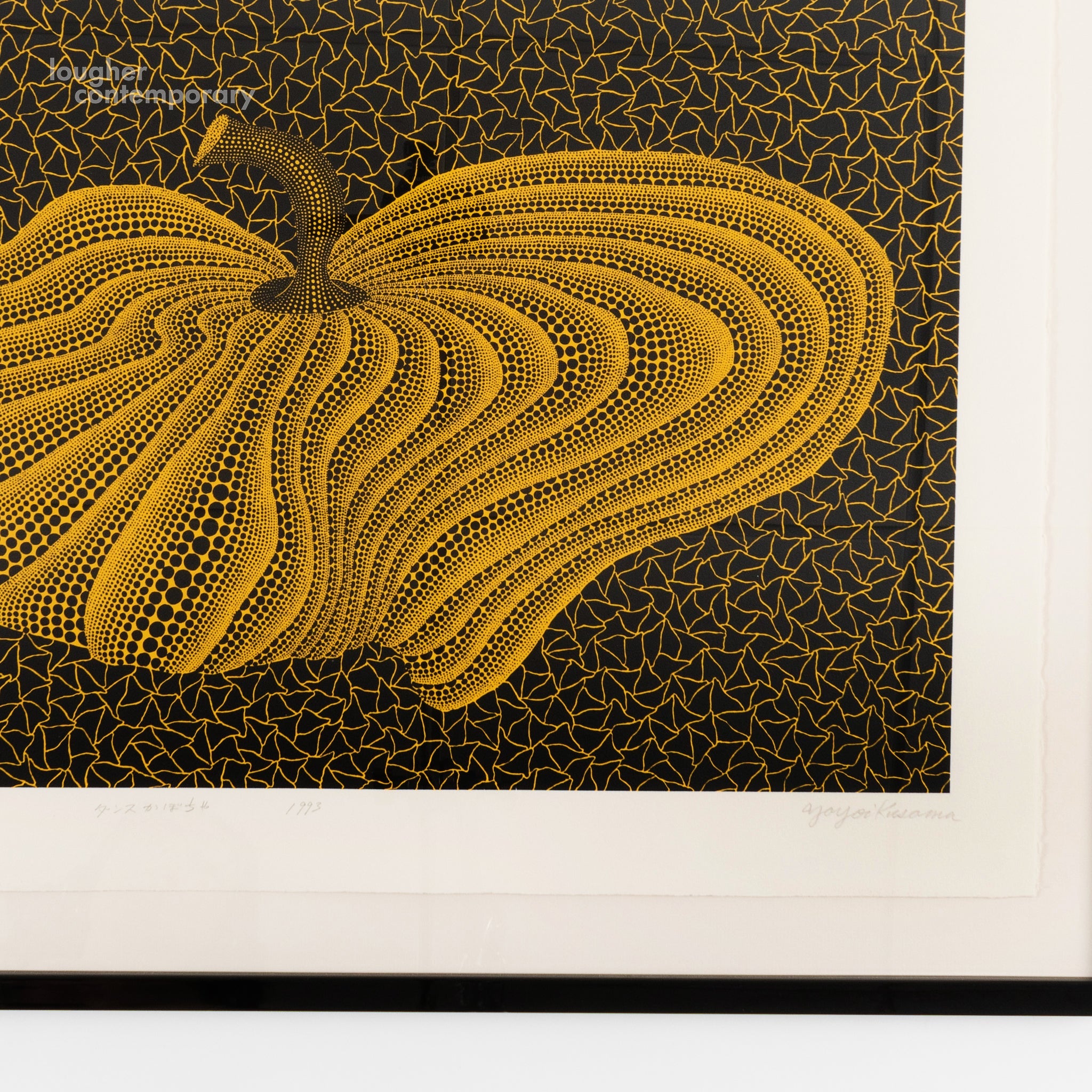
Who is Yayoi Kusama? Yayoi Kusama, born in Matsumoto, Japan, in 1929, is a renowned contemporary artist celebrated for her avant-garde contributions to the art world. Raised in a traditional Japane...
Start collecting Yayoi Kusama